

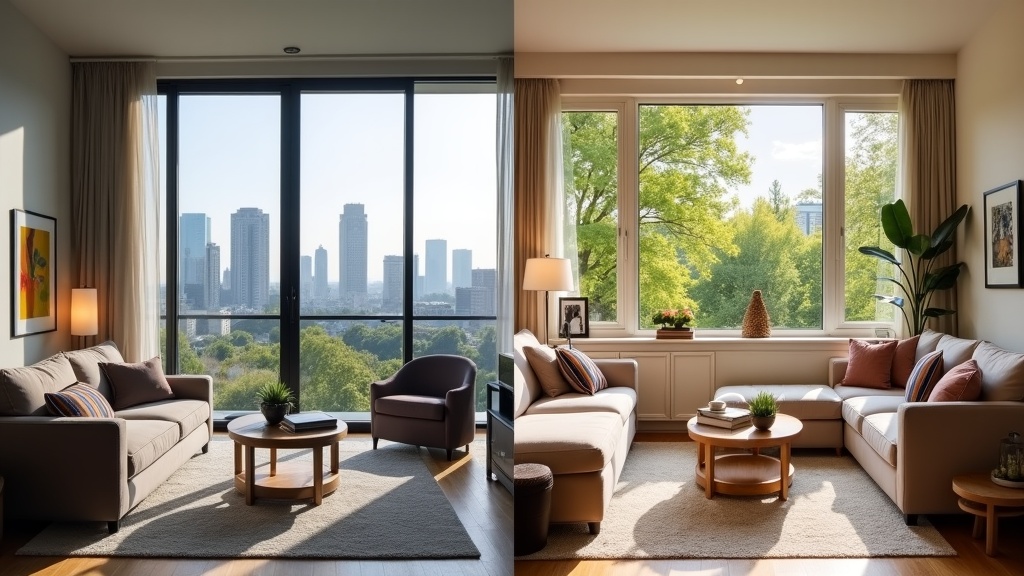
Should your Airbnb be a flat or a house? Both can work, but they earn money in different ways. A house usually takes bigger bookings at a higher nightly rate, while a flat is often cheaper to buy, furnish and run. This guide compares the two on revenue, running costs, return on investment, location, guests and the UK rules that treat them differently, so you can judge which fits your money and your market.
Which Property Type Earns More on Airbnb: Apartments vs Houses?
A house will usually earn more per booking than a flat in the same area, because it sleeps more people and offers space, privacy and often a garden or parking. A flat can still give the better return on the money you put in, because it usually costs less to buy and to run.
The gap depends heavily on location. In city centres, a well-placed flat can compete closely with a house, especially for business travellers and couples. In suburbs, the countryside and on the coast, houses tend to do better because guests come looking for space, gardens and room for the family.
There is no reliable UK-wide figure for how much more a house earns than a flat, so check your own market. Search Airbnb as a guest for your area, your likely dates and the number of guests each property would sleep, and compare the nightly prices and how booked up similar listings are.
What Are the Key Advantages of Renting an Apartment on Airbnb?

Flats do well in urban markets with steady business and city break demand. They usually cost less to get started, are simpler to look after and are often close to transport links and attractions.
Lower Initial Investment and Running Costs
A flat usually needs less capital than a house in the same area, and fewer rooms means less to furnish. Our guide to furnishing an Airbnb apartment breaks down where the money goes. Energy, cleaning and day-to-day maintenance are usually lower too, although you will pay a service charge on most leasehold flats.
Prime Urban Locations
City-centre flats often sit in locations where a house would be far too expensive. Being within walking distance of offices, universities, stations and attractions supports higher nightly rates and brings in business travel bookings.
Simplified Management
A flat has fewer things to go wrong: no garden, and in most blocks the building's managing agent looks after the roof, structure and shared areas. That makes self-management more realistic for new hosts and reduces the chance of a big repair bill landing without warning.
Better Security and Guest Peace of Mind
Purpose-built blocks often have secure entry, CCTV and sometimes a concierge. These appeal to solo travellers and business guests and help justify a good nightly rate.
What Are the Key Advantages of Renting a House on Airbnb?
Houses earn more per booking because they sleep more people, appeal to families and groups, and offer space, privacy and extras such as gardens and parking.
Higher Guest Capacity and Revenue Potential
A three or four bedroom house can sleep a family or group that a two-person flat simply cannot host. Larger groups pay more per night in total, and Airbnb lets you add an extra guest fee above a set number of guests so your price rises with the group size.
Family and Group Market Appeal
Houses attract longer stays from families and from groups celebrating special occasions. These bookings often fall in the busiest periods, such as weekends, school holidays and bank holidays.
Unique Amenities and Competitive Differentiation
Private gardens, parking, several bathrooms and a proper dining space are hard for a flat to match. Features like these help your listing stand out and support a higher price.
Flexibility for Different Guest Segments
A house can take a couple on a weekend away one week and an extended family the next. That spread of guests gives you more ways to fill the calendar.
How Do Operating Costs Compare Between Apartment and House Airbnb Rentals?
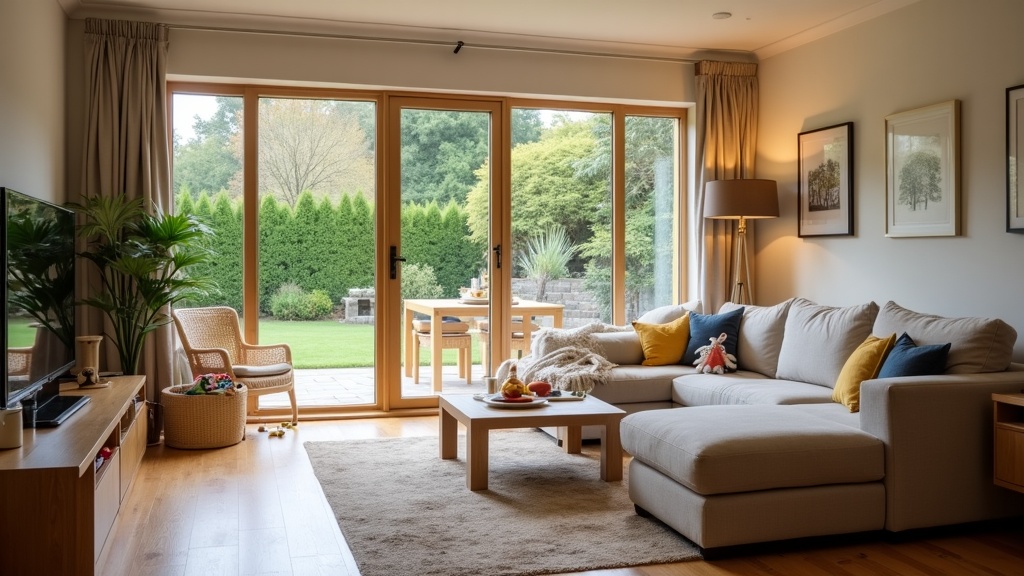
Houses generally cost more to run than flats, with higher energy, maintenance, cleaning and insurance bills. Get real quotes for your property before you buy rather than relying on averages.
Utilities and Energy Costs
A house has more space to heat and light and more hot water to supply. A smart thermostat and efficient appliances help, but the starting point is higher than for a flat, and you usually pay the bills yourself in a short let.
Maintenance and Repairs
Houses need upkeep of gardens, driveways, roofs and outside walls, and a boiler failure or roof leak can be costly and disruptive. In a flat, the managing agent usually handles the structure and shared areas, paid for through the service charge.
From our own portfolio: across our roughly 24 short lets in Manchester, we deal with guest damage once or twice a week. Whatever property type you choose, budget for regular small repairs and replacements as well as the big jobs.
Cleaning and Changeover Costs
A bigger property takes longer to clean and needs more linen and consumables at every changeover, so each turnover costs more. The more short stays you take, the more that difference matters. Ask local cleaners for a price per changeover for each property type you are considering.
Insurance Premiums
You will need specialist short-term letting insurance either way. Premiums depend on the rebuild value, the contents and the number of guests, so get quotes for the specific property.
Council Tax or Business Rates
Flats and houses are treated the same way. In England, a short let moves from council tax to business rates if it is available to let for at least 140 nights a year and actually let for at least 70, and small business rate relief may reduce the bill. Our guide to Airbnb business rates and council tax explains the tests.
What Rules Affect Flats and Houses Differently?
Before you compare returns, check that you can legally run a short let in the property at all. Some rules hit flats harder than houses.
- The lease. Most flats in England and Wales are leasehold, and many leases restrict use to a private residence. The Upper Tribunal decided in 2016 (Nemcova v Fairfield Rents) that short lets of a flat breached that kind of covenant. Read the lease before you buy.
- The mortgage. Standard buy-to-let mortgages usually restrict short-term letting, whatever the property type. See our guide to holiday let mortgages.
- Planning and licensing. In London, whole homes can be let for short stays for up to 90 nights a calendar year without planning permission, as long as the person letting pays council tax on the home. In Scotland every short-term let needs a licence, and in a control area such as Edinburgh, letting a flat or house that is not your home needs planning permission too.
Which Property Type Offers Better Return on Investment?
Flats often deliver a better percentage return because they cost less to buy, even though houses bring in more money overall. Which matters more to you depends on how much capital you have and what you want from it.
Here is an illustration with made-up round numbers, not market data: a £200,000 flat making £18,000 a year after all costs is a 9% return, while a £350,000 house making £25,000 is about 7.1%. The flat works harder for each pound invested, but the house brings in more in total. Run the same sum with real figures for the properties you are considering.
Once your property is live, Zugrow's free listing analysis scores your Airbnb listing out of 100, with a red, amber or green verdict for its title, description, photos, amenities, trust and competitive positioning.
Capital Efficiency Considerations
The same money can buy two cheaper flats in different areas instead of one house, which spreads your risk across two locations.
Cash Flow and Financing
A lower purchase price usually means smaller mortgage payments, which leaves more breathing room in quiet months and more cash to reinvest.
How Does Location Impact Apartment vs House Earnings?
Location often decides the question for you. City centres tend to favour flats, while suburbs, the countryside and the coast tend to favour houses.
City Centre Performance
In cities such as Manchester, Edinburgh or Bath, a well-placed flat can outperform a suburban house thanks to its closeness to offices, universities and attractions. Starting an Airbnb in Manchester shows how a location-specific approach works in an urban market. Check the local rules first, though: in Edinburgh, a whole flat that is not your home needs planning permission as well as a licence.
City flats can pick up weekday business travel as well as weekend leisure stays, which helps keep occupancy steadier through the year.
Suburban and Rural Markets
Away from city centres, houses usually earn a clear premium. Guests look for space, parking, gardens and a family-friendly setting that a flat cannot offer.
Tourist Destination Considerations
Holiday areas such as the Cotswolds, the Lake District and the coast lean heavily towards houses. Families and groups visiting these places put space, parking and outdoor areas ahead of city convenience.
What Guest Demographics Prefer Each Property Type?
Knowing who books in your area is a big part of choosing the right property, as business travellers tend to favour flats while families and groups prefer houses.
Apartment Guest Profiles
- Business travellers: Value location and a good workspace over space
- City break couples: Prefer central locations near restaurants and attractions
- Solo travellers: Appreciate security and a manageable space
- Short-term visitors: Prioritise transport links and the city centre
House Guest Profiles
- Family groups: Need several bedrooms and family-friendly amenities
- Celebration parties: Want space for gatherings and group activities
- Extended stay guests: Appreciate space, gardens and a home-like feel
- Pet owners: Look for gardens and pet-friendly outdoor space
Matching your property to the guests who already book in your area has a big effect on occupancy and pricing power. Understanding why guests choose Airbnb over hotels can help with this decision.
How Should Pricing Strategy Differ Between Apartments and Houses?
Houses usually need sharper weekend and school holiday pricing to reflect group demand, while city flats can lean on weekday business travel.
Apartment Pricing Strategies
Price weekdays for business travel while staying competitive for weekend leisure bookings. Weekly and monthly discounts can attract longer work trips, relocations and project stays.
House Pricing Strategies
Charge more at weekends and in school holidays, when families and groups book, and watch local events that bring groups to the area. Use Airbnb's extra guest fee so that larger groups pay for the extra space, linen and cleaning they use.
From our own portfolio: a pricing tool sets our base price, then we trim a few pounds off unsold nights every couple of days until they book, and we never let a changeover eat the margin. It is one way of working rather than the only one, and nothing about it depends on whether the property is a flat or a house.
Not sure how your listing compares? Get your free Airbnb performance score, which includes a red, amber or green verdict on your competitive positioning.
Which Property Type Is Better for New Hosts?
Flats generally suit new hosts better: they are simpler to run, need less maintenance and need less money up front, which limits the risk while you learn.
Starting with a flat lets you learn the essentials, such as guest communication, pricing and service, without the extra work of a garden, several bathrooms and a bigger building to look after.
A smaller commitment also gives you room for mistakes. A week of lost bookings costs less on a lower nightly rate.
Setting up your first Airbnb listing is also more manageable with fewer rooms to photograph, describe and furnish.
Scaling Considerations
Once you are confident running one flat, you can add more flats or move up to a house with experience and cash flow behind you. Many hosts grow this way, buying larger properties once their systems and local knowledge are in place.
Making the Right Choice for Your Situation
The decision comes down to your capital, your local market, the guests who book there and how hands-on you want to be. Both property types can do well when they match local demand and are well run.
Start with local research: look at how comparable listings price and how booked up they are, and find out who is booking in your area. Effective guest communication and a well-optimised listing matter more than property type for long-term success.
For the bigger picture, read our step-by-step guide to starting an Airbnb in the UK, which covers property selection through to day-to-day running.
Already hosting? Zugrow's free assessment scores your live listing out of 100 and shows which areas are holding it back.
Sources: GOV.UK: business rates for self-catering property in England, LEASE: subletting a flat, Deregulation Act 2015, section 44 (London 90 nights), gov.scot: controlling short-term lets, City of Edinburgh Council: short-term let licence, Airbnb Help Centre: extra guest fee.