

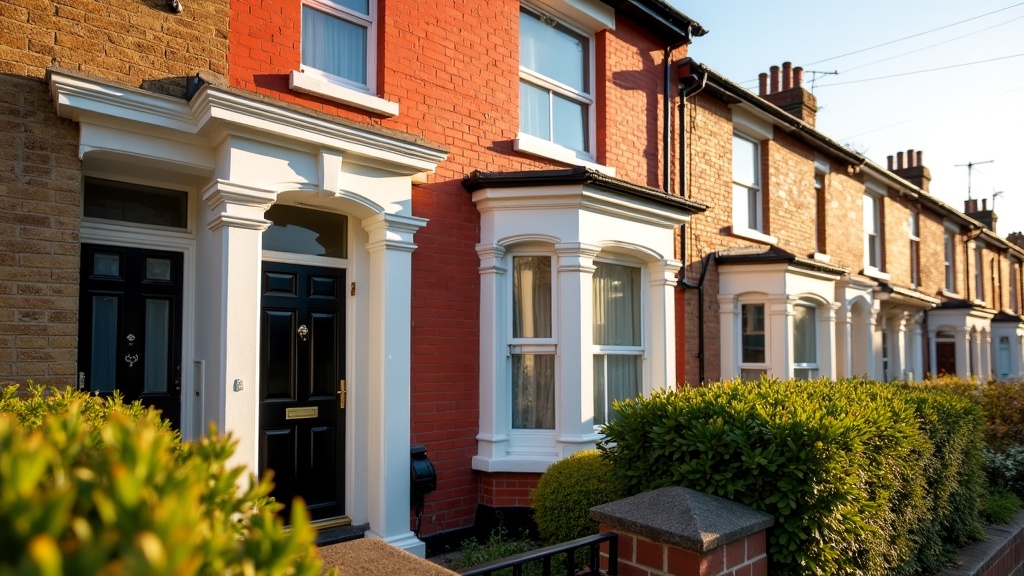
Whether your Airbnb pays business rates or council tax depends on where the property is and how it is used. The tests are set in law for each nation, and in England and Wales the Valuation Office Agency (VOA) decides which list a property belongs on. In short: a property that is genuinely run as a self-catering let, available and actually let for enough nights, and not anyone's home, pays business rates. Everything else stays in council tax. This guide explains the tests in England, Wales and Scotland, how bills are worked out in 2026/27, and the mistakes that lead to surprise bills.
What's the Difference Between Business Rates and Council Tax?
Council tax applies to homes. Business rates (also called non-domestic rates) apply to commercial property, including self-catering holiday lets that meet the letting tests below. A property pays one or the other, not both.
Council tax is charged by valuation band. England and Scotland use bands A to H; Wales uses bands A to I. Your council sets the charge for each band every year.
Business rates are worked out from the property's rateable value multiplied by a multiplier set by government, minus any reliefs. Many small holiday lets qualify for small business rate relief, which can reduce the bill to zero.
Whichever applies, tell your insurer and mortgage lender how the property is used. Holiday letting usually needs specific insurance cover and lender consent; see our insurance requirements for Airbnb hosts.
When Does an Airbnb Property Pay Business Rates Instead of Council Tax?

It depends on the nation. In each case the property has to be let commercially for short stays, and it must not be someone's main home.
England
A self-catering property in England is valued for business rates only if all of these apply (GOV.UK):
- it is let commercially for short periods of 28 nights or less
- it was available to let for at least 140 nights in the last 12 months
- it was actually let for at least 70 nights in the last 12 months
- you plan to make it available for at least 140 nights in the next 12 months
The 70-night letting test has applied since 1 April 2023. Owners confirm their figures each year, and a property that does not meet the tests is moved to council tax. The VOA can ask for evidence, such as booking records and adverts.
Wales
Wales sets a higher bar. A self-catering property is valued for business rates only if it is let for short periods of 28 nights or less, was available to let for at least 252 nights and actually let for at least 182 nights in the last 12 months, and you plan to make it available for at least 252 nights in the next 12 months. For 12-month periods ending on or after 1 April 2026, if you miss the 182-night test, an average over the previous 24 or 36 months can count instead, and up to 14 nights a year donated to a registered charity can count towards both figures (GOV.UK).
Scotland
In Scotland, self-catering accommodation is liable for non-domestic rates if it is not anyone's only or main residence, is let commercially as short-term self-catering, and is available for at least 140 nights and actually let for at least 70 nights in the financial year. Otherwise it pays council tax (mygov.scot). Your local assessor, not the VOA, decides.
Living in the property or letting a room
If the property is your main home and you let a spare room, or let the whole place occasionally while you are away, it stays in council tax.
A common myth is that the "140 days" refers to how long individual guests stay, or that letting for more than 140 nights automatically triggers business rates. Neither is right. The tests count the nights the property is available and actually let on short commercial lets, and all of the conditions have to be met.
If you stay in council tax: second homes premiums
A furnished property that is nobody's main home is a second home for council tax. In England, councils have been able to charge a premium of up to 100% on second homes since April 2025, with some set exceptions (GOV.UK guidance). Scottish councils can charge up to 100% extra on second homes since April 2024, and Welsh councils up to 300% since April 2023 (GOV.WALES). So a holiday let that falls short of the business rates tests can end up paying double council tax, or more in Wales.
How Are Airbnb Business Rates Calculated?
The bill is the rateable value multiplied by the multiplier, minus any reliefs. Rateable values in England and Wales were updated on 1 April 2026 and are based on open market rental values at 1 April 2024 (GOV.UK). You can look up your property's rateable value on GOV.UK.
From 1 April 2026, England has five multipliers (GOV.UK):
- retail, hospitality and leisure (RHL) property with a rateable value below £51,000: 38.2p per £1
- other property with a rateable value below £51,000: 43.2p per £1
- RHL property with a rateable value of £51,000 up to £499,999: 43p per £1
- other property with a rateable value of £51,000 up to £499,999: 48p per £1
- any property with a rateable value of £500,000 or more: 50.8p per £1
Council guidance lists self-catering accommodation and holiday homes among the hospitality uses that qualify for the lower RHL multipliers, as long as the property is occupied and used wholly or mainly for that purpose. Your council applies the multiplier, so check your bill.
Small business rate relief
In England, if your business uses only one property and its rateable value is £12,000 or less, you get 100% relief and pay nothing. Relief tapers from 100% to 0% for rateable values from £12,001 to £15,000 (GOV.UK).
Hosts with more than one property need to read the small print. When you take on a second property, you keep relief on the first for 12 months, or 36 months if you got the second property on or after 27 November 2025. After that, you only keep relief on your main property if none of your other properties has a rateable value above £2,899 and the total rateable value of all of them is under £20,000 (£28,000 in London).
Wales runs its own scheme, with 100% relief for rateable values up to £6,000, tapering to nothing at £12,000. Scotland has the Small Business Bonus Scheme. Check your council's current rules before you rely on relief.
Worked examples (England, 2026/27)
A one-bedroom flat with a rateable value of £8,000, run as a self-catering let by someone with no other business property, would normally get full small business rate relief and pay £0 in business rates. If the same flat failed the letting tests, it would pay council tax for its band, plus any second homes premium.
A larger property with a rateable value of £20,000 is above the relief threshold. At the 38.2p RHL multiplier the bill would be about £7,640 for the year, before any other reliefs or transitional arrangements. At the 43.2p multiplier it would be about £8,640.
From our own portfolio: we run about 24 short lets in Manchester, and the answer is not the same for every property. Some pay business rates and receive small business rate relief; others pay council tax. That is simply our mix. Your position depends on your own letting figures, rateable values and how your properties are owned, so check each one rather than assuming.
If business rates or a second homes premium are squeezing your margins, a free Zugrow listing score is a quick way to check whether the listing itself could be earning more.
Council Tax Rules for Mixed-Use Airbnb Properties
Many hosts live in their property and let a spare room, or let the whole home while they are travelling. If the property is your sole or main residence, it stays in council tax while you host.
You can only have one main residence. Keeping a few personal nights in a property that is otherwise a dedicated holiday let does not make it your home, and councils look at the real pattern of use. Claiming otherwise risks backdated bills.
In London there is an extra layer: letting a whole home for more than 90 nights in a calendar year needs planning permission. Our guide to London council tax and business rates obligations covers the capital in more detail.
Regional Variations: Scotland, Wales, and England
Beyond the rates tests, each nation regulates short lets differently:
- Scotland: short-term let licensing applies across the country. New hosts have needed a licence since 1 October 2022, and existing hosts had to apply by 1 October 2023. Some areas, such as Edinburgh, have strict licensing requirements and planning controls. Non-domestic rates poundages are set nationally by the Scottish Government.
- Wales: every visitor accommodation provider must register with the Welsh Revenue Authority by 31 March 2027, councils can introduce a visitor levy from April 2027, and second homes premiums can reach 300%.
- England: a national registration scheme for short-term lets is expected to begin in March 2027, according to GOV.UK guidance updated on 2 October 2026. Whether a short let needs planning permission is for your local planning authority, apart from London's 90-night rule.
- Northern Ireland: domestic and non-domestic rates are both collected by Land & Property Services rather than local councils, and self-catering accommodation needs a certificate from Tourism NI before it operates.
How to Challenge Your Rates Assessment
If you think your rateable value is wrong, or that the property is on the wrong list, you can act:
- Rateable value (England and Wales): check it on GOV.UK, then use a business rates valuation account to report changes or challenge the value with the VOA (GOV.UK). If you still disagree after the challenge, you can appeal to the valuation tribunal.
- Business rates or council tax: if the property no longer meets the letting tests, or you believe it should be in the other list, tell the VOA (or the assessor in Scotland) and your council, with evidence.
- Council tax band: you can ask the VOA to review your band in England and Wales; in Scotland, contact your local assessor.
Keep good records of nights available, nights let, personal stays and your adverts. That evidence decides most disputes. A rating surveyor can help if the sums are large; agree their fees in writing before they start.
Tax Planning Strategies for Airbnb Hosts
For a single property you live in, council tax is usually the simplest position, and income from letting a furnished room in your home may qualify for Rent a Room relief.
For a dedicated holiday let with a low rateable value, business rates with small business rate relief can cost less than council tax, particularly if your council charges a second homes premium. That only works if you genuinely meet the letting tests and the relief conditions.
If you own several properties, work through the small business rate relief rules carefully. Relief is generally limited to your main property once any grace period ends, so a second or third business-rated property can mean full bills, while lets that fall below the letting tests go back into council tax.
The holiday let tax rules are separate from rates. The Furnished Holiday Lettings tax regime was abolished from April 2025, so meeting the business rates tests no longer brings any special income tax or capital gains treatment.
Compliance and Record-Keeping Requirements
Whichever regime applies, keep:
- booking calendars showing nights available and nights let
- records of any personal use
- rental income records and copies of your adverts
- correspondence with your council, the VOA or your assessor
Your listings are public, and the VOA can ask for evidence of availability and lettings, so make sure what you tell it matches how the property is advertised.
The VOA is also phasing in a new duty for ratepayers to report changes to their property, occupier or rent within 60 days, and to confirm once a year that they have done so. It is due to apply to everyone by 1 April 2029 (GOV.UK). Fire safety rules apply whichever list you are on; see our fire safety guide for English properties.
Get your free Airbnb listing score to see where your listing could improve, which matters more when fixed costs such as rates go up.
Common Mistakes to Avoid
- Assuming you will get small business rate relief. Check the rateable value and the rules on other properties before committing to a dedicated holiday let. Losing relief can turn a £0 bill into several thousand pounds a year.
- Misdescribing how the property is used. Claiming a property is your home, or that it is available when it is not, can lead to backdated bills.
- Ignoring planning. In London, letting a whole home for more than 90 nights a year needs permission; elsewhere, your local planning authority decides whether short letting is a material change of use. In Wales, some areas have extra planning controls.
- Not reporting changes. If your circumstances change, for example you move out of a property you used to live in while hosting, tell the council and the VOA promptly.
- Relying on forums. The rules depend on location and your own figures. Professional advice is worth it for larger properties or complex arrangements.
Future Regulatory Changes
- England: the national short-term let registration scheme is expected to begin in March 2027.
- Wales: registration with the Welsh Revenue Authority is required by 31 March 2027, Cardiff will charge a visitor levy from 1 April 2027 and other councils may follow, and a licensing scheme for self-catering accommodation is now law, with a default start of March 2030.
- Business rates: the VOA's new duty to report changes will be mandatory for all ratepayers by 1 April 2029.
For the wider picture, see our UK Airbnb regulations guide.
Frequently Asked Questions
Do I pay business rates or council tax if I live in my Airbnb property?
If the property is your main residence and you host guests in spare rooms, or occasionally let the whole home, you continue paying council tax.
What happens if my Airbnb property switches from council tax to business rates?
You get a business rates bill based on the property's rateable value instead of a council tax bill. Small properties often qualify for small business rate relief and may pay nothing. Larger properties, or hosts with several business-rated properties, may pay a full bill.
Can I avoid business rates by limiting how often I rent my property?
If a property falls below the letting tests (in England, 140 nights available and 70 nights let in the last 12 months), it goes into council tax. But it will then usually count as a second home, and many councils charge a premium of up to 100% (up to 300% in Wales). Work out both sums before changing how you let.
How do councils know if my property should pay business rates?
The VOA asks owners to confirm their letting figures each year and can ask for evidence such as booking records and adverts. Listings on booking platforms are public, so the information you give should match how the property is advertised.
What's Small Business Rate Relief and do Airbnb properties qualify?
In England, a business using one property with a rateable value of £12,000 or less gets 100% relief, with tapered relief up to £15,000. Business-rated holiday lets can qualify, but owning other business properties can limit or remove relief after a grace period. Wales and Scotland have their own schemes.
Can I challenge my local council's decision about business rates?
Rateable values and which list a property is on are decided by the VOA in England and Wales, not the council. You can challenge through your business rates valuation account and, if you still disagree, appeal to the valuation tribunal. In Scotland, contact your local assessor.
Whether your Airbnb pays business rates or council tax comes down to your letting figures, whether anyone lives there, and the rules in your nation. Get those right and keep the evidence. Ready to see how your listing measures up regardless of your tax position? Get your free Zugrow score.
Sources: GOV.UK, business rates for self-catering and holiday lets; GOV.UK, business rates multipliers; GOV.UK, small business rate relief; GOV.UK, revaluation; mygov.scot; GOV.WALES, council tax on empty and second homes. Checked October 2026.