

Wales now has a national register of visitor accommodation, and it covers Airbnb hosts. Registration with the Welsh Revenue Authority (WRA) opened on 1 October 2026, it is free, and if you already take bookings you must register by 31 March 2027. This guide explains who has to register, how to do it, what happens if you miss the deadline, and how the register fits with the visitor levy, the licensing scheme that is coming later, planning rules and local taxes. Everything here was checked against official sources in October 2026.
What is the Welsh Airbnb Registration Scheme?
The scheme is a national register of everyone who provides visitor accommodation in Wales. It was created by the Visitor Accommodation (Register and Levy) Etc. (Wales) Act 2025, which became law in September 2025, and it is run by the Welsh Revenue Authority, the body that also collects the visitor levy.
It is a register, not a licence. There is no inspection and no fee, and you do not need anyone's approval before you can keep hosting. You give the WRA details about you and your accommodation, and you get a unique registration number back.
Key points:
- Run by the Welsh Revenue Authority, not by your local council
- Free to register
- Deadline of 31 March 2027 for accommodation you already offer
- You register yourself as the provider and each of your premises (the places where you offer accommodation)
- Changes must be reported within 30 days
- Some of your details appear on a public register
When Does Welsh Short-Term Let Registration Become Mandatory?
Registration opened on 1 October 2026. The WRA's guidance sets out the dates:
- Accommodation you offer before 1 April 2027: register all your premises by 31 March 2027.
- Accommodation you open from 1 April 2027: register it before you open it for bookings.
- From 1 April 2027: penalties for not registering can apply.
You must register by the deadline even if your local council does not introduce a visitor levy. There is no reason to wait: registration is free, and the WRA publishes step-by-step guidance and runs free online workshops.
Registration is separate from planning. If you are changing how a property is used, for example turning a main home into a short-term let, check whether your area needs planning permission changes in Wales before you start taking bookings.
Which Properties Must Register Under the Welsh Scheme?

According to the Welsh Government's guidance, you must register if all of these apply:
- you take bookings for overnight stays in Wales
- you are responsible for the accommodation
- the bookings you take are for 31 nights or less
That covers almost every Airbnb host in Wales, including:
- Self-catering lets, such as a whole home or flat on Airbnb
- Your main home, or spare rooms in it
- Hotels, B&Bs and guesthouses
- Glamping, static caravans and pitches for tents, caravans, motorhomes and campervans
- Hostels and bunkhouses
It does not matter how often you let. A spare room let for one weekend a year needs registering just as much as a cottage booked all year round.
Who Does Not Need to Register
- Accommodation with no paid bookings, such as friends or family staying for free
- Accommodation you are no longer taking bookings for
- Accommodation where every booking is for more than 31 nights
Premises and Agents
Premises are the locations or sites where you offer accommodation. Three houses at three different addresses are three premises, while a holiday site with several cottages can be one premises, with each cottage named in your registration. A letting agent or management company can register on your behalf, but the legal responsibility stays with you as the provider.
How to Register Your Airbnb in Wales: Step-by-Step Process
Step 1: Gather Your Details
The registration page lists what you will be asked for:
- Your contact details, including name, address, phone number, date of birth and email
- Your company or charity number and trading name, if you have them
- The address of the accommodation, and its name if it has one
- The types of accommodation you offer
- When it is usually open for bookings
- The number of rooms or bookable units
- The maximum number of guests
Step 2: Register Online
- Go to gov.wales/registeryourplace
- Sign in with GOV.UK One Login
- Enter your details, then each of your premises
- Submit and keep your registration number
You can use your registration number to show that your accommodation is registered and when you contact the WRA.
Step 3: Keep It Up to Date
If your details change, for example you add bedrooms or beds, you must update them within 30 days. If you stop taking bookings, you must ask to be removed from the register within 30 days. The online service is in public beta, and the WRA says the option to update details online will be added.
While you are getting your Welsh listing in order, Zugrow's free listing score shows how your Airbnb listing is performing and what to improve.
Welsh Airbnb Registration Fees and Costs
Registration itself costs nothing. There is no national registration fee and no local licence fee at the moment. The costs to plan for come from other rules.
Visitor Levy
The same 2025 Act lets councils charge a visitor levy. The rates set by the Welsh Government are:
- £1.30 per person per night for self-catering lets, hotels, B&Bs, guesthouses and most other accommodation, for guests of all ages
- 75p per person per night for adults staying in tents on camping pitches or in shared hostel, bunkhouse or dormitory rooms (under 18s there are exempt)
A booking of 32 nights or more is exempt. You can pass the cost on to guests, but you, as the provider, are responsible for paying it even if a guest refuses.
Councils decide whether to charge the levy, and the earliest it can start anywhere is April 2027. Cardiff Council has introduced one: it applies to new bookings for stays from 1 April 2027, and to extra nights or guests added to existing bookings for those stays. Check your own council with the Welsh Government's levy checker.
Safety Costs
You already need to meet existing safety law, which brings its own costs: a fire risk assessment, an annual gas safety check if you have gas appliances, and keeping electrics and furniture safe. These are covered below. Safety costs are generally allowable expenses against your letting income, so keep the invoices.
Safety Requirements and Property Standards
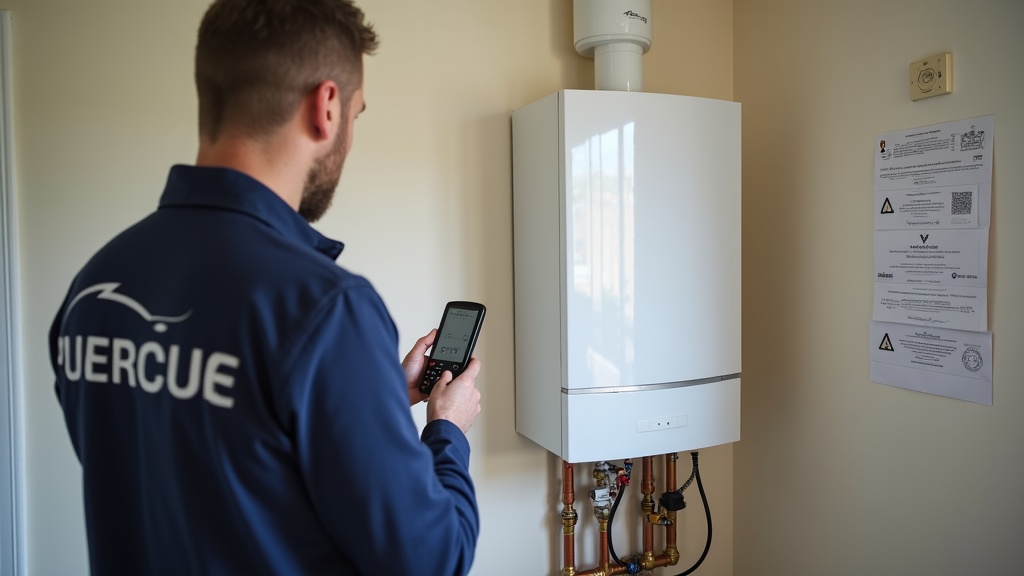
Registering does not add new safety standards. The safety rules that already apply to paid guest accommodation in Wales still apply, and the future licensing scheme is expected to build on them.
Fire Safety
The Regulatory Reform (Fire Safety) Order 2005 applies to holiday lets and other paid guest accommodation in Wales. The person responsible must carry out a fire risk assessment and put suitable measures in place, such as smoke detection, safe escape routes and fire safety information for guests. The Welsh Government publishes a guide to making your guest accommodation safe from fire, with a risk assessment template. The same Order applies in England; see our guide to fire safety regulations across the UK.
Gas and Electrical Safety
- Gas: the HSE's landlord gas safety duties cover rented holiday accommodation. Every gas appliance and flue needs an annual safety check by a Gas Safe registered engineer, and you must keep the record.
- Electrical: you must keep the property safe for guests. A periodic electrical inspection by a qualified electrician is sensible evidence that you have done so.
- Carbon monoxide: fit carbon monoxide alarms near fuel-burning appliances.
- Furniture: upholstered furniture you provide should carry fire safety labels.
General Standards
Guests expect working heating and hot water, secure doors and windows, clean bedding and a kitchen that suits the number of guests. These are not registration conditions, but they drive your reviews, and the licensing scheme will set formal standards once its regulations are made.
Enforcement and Penalties for Non-Compliance
Penalties for not registering start from 1 April 2027. The WRA's penalty guidance sets them out per premises:
- Initial penalty: £100 for each premises that should be registered but is not
- Daily penalties: if you still have not registered after a further 30 days, £10 per premises per day, for up to 30 days
- Final penalty: £1,000 per premises on the 31st day
In total that is up to £1,400 per premises. The same pattern of penalties applies if you fail to update your details, fail to deregister or ignore a request for information. Penalties must be paid within 30 days unless you ask for a review or appeal to the tribunal, and stopping hosting does not cancel penalties you already owe.
How Welsh Registration Affects Your Airbnb Business
Day-to-Day Changes
- Register each of your premises before 31 March 2027, or before you open for bookings after that
- Update the WRA within 30 days if your capacity or details change
- Deregister within 30 days if you stop
- If your council charges the visitor levy, work out how you will account for it on bookings and in your prices
Local Taxes
Registration does not decide whether you pay council tax or business rates. In Wales, a holiday let is assessed for business rates only if it was available to let for at least 252 nights and actually let for at least 182 nights in the last 12 months, with each let lasting 28 nights or less. If it falls short, it pays council tax, and councils in Wales can add a second homes premium of up to 300%. Our guide to business rates versus council tax obligations explains the tests in each nation.
Public Register
Part of the register is public. It shows your business or trading name and, for each premises, its name, address, accommodation type, maximum occupancy, bookable units and availability. If you register as an individual, your own name is not published unless it is part of your business name. Make sure the details match what you advertise on Airbnb.
Want to check your listing is earning what it should while you deal with the paperwork? Get your free Airbnb performance score to see how it compares and where to improve.
Planning Permission Requirements for Welsh Airbnb Properties
Since October 2022, Welsh planning law has separate use classes for main homes (C3), second homes (C5) and short-term lets (C6). Moving between them is normally allowed without a planning application, but a planning authority can remove that right in all or part of its area with an Article 4 direction. Where one is in force, you need planning permission to turn a main home into a short-term let.
Only a few areas have used this power, and the position has changed through legal challenges, so check your council's planning pages before you buy or change how a property is used. Our guide to planning permission for Airbnb properties in Wales sets out where directions are in force as of October 2026.
The Licensing Scheme Coming Later
Registration is the first step. The Development of Tourism and Regulation of Visitor Accommodation (Wales) Act 2026 became law on 27 April 2026 and creates a statutory licensing scheme, starting with self-catering accommodation. The detail, including standards and any fees, will come in regulations the Welsh Government will consult on first. The legal default is for the scheme to come into force in March 2030.
Until then, you do not need a licence to host in Wales. You do need to be registered.
Comparing Welsh Rules to Other UK Short-Term Rental Regulations
England Comparison
England's planned national register for short-term lets is not in force yet. Greater London limits entire homes to 90 nights a year of short-term letting without planning permission, and business rates for holiday lets follow lower thresholds of 140 nights available and 70 nights let. For how London councils treat short-term lets, see our guide to London's council tax and business rates rules.
Scotland Comparison
Scotland already requires a short-term let licence from the local council before you can host, with safety conditions, and in some areas planning permission as well. Wales has started with a free register and will add licensing later. The Edinburgh licensing system shows what a full licensing regime looks like in practice.
Preparing Your Property for Welsh Registration
Before You Register
- List every address where you take bookings
- Check the maximum number of guests and the number of rooms or bookable units for each
- Note when each property is usually open for bookings
- Have your company or charity number and trading name ready, if you use them
- Set up a GOV.UK One Login if you do not already have one
Safety Paperwork
- A current fire risk assessment
- Your latest gas safety record, if you have gas
- Records of alarm testing and any electrical inspections
- Insurance that covers paying guests
Your Listing
Use the time to check your listing too: accurate guest numbers, clear check-in information and up-to-date photos. Zugrow's free listing score shows what to improve on your Airbnb listing.
Frequently Asked Questions
Do I need to register if I only rent my property occasionally?
Yes. Registration applies whether you let for a single night, occasionally, seasonally or all year round. The only test is whether you take paid bookings for overnight stays of 31 nights or less.
What happens if I'm already taking bookings?
You can keep hosting. Register all your premises by 31 March 2027. Penalties for not registering apply from 1 April 2027, starting at £100 per premises and rising to up to £1,400 per premises if you still do not register.
Can I register multiple properties under one application?
Yes. You register yourself as the provider and then each of your premises. Each location or site counts as one premises, and penalties are worked out per premises.
Does registration cost anything?
No. Registration is free. If your council introduces a visitor levy, that is a separate charge on stays, not a registration fee.
What insurance do I need?
Registration does not ask for insurance. You should still have cover that includes paying guests, as standard home insurance often excludes letting. Tell your insurer you host short stays.
Can the WRA refuse my registration?
Registration is not an approval process like a licence. You are responsible for giving accurate details and keeping them up to date, and penalties apply if you do not.
Wales has started with a simple, free register, with a visitor levy in some areas from April 2027 and licensing later in the decade. Register before 31 March 2027, keep your details up to date, and keep your safety paperwork in order. Ready to see how your listing measures up? Get your free score at Zugrow.
Sources: GOV.WALES, registering visitor accommodation; GOV.WALES, register your visitor accommodation; GOV.WALES, registration penalties; GOV.WALES, about the register; Visitor Accommodation (Register and Levy) Etc. (Wales) Act 2025; GOV.WALES, visitor levy rates; GOV.WALES, licensing visitor accommodation; GOV.UK, self-catering business rates; HSE, gas safety for landlords. Checked October 2026.