

Is there a summer holiday rule for Airbnb council tax exemption?
No. There is no rule that exempts a property from council tax because it is let over the summer, and no law called a "summer holiday rule". What decides whether your Airbnb pays council tax or business rates is whether it meets the business rates tests for self-catering accommodation. Those tests count the nights the property was available to let and the nights it was actually let, across the year, not just in the summer.
If your property meets the tests, it comes off the council tax list and is assessed for business rates instead. Small business rate relief can then cut the bill, in some cases to nothing. If it does not meet the tests, it stays on council tax, and if nobody lives there as their main home, your council may add a second homes premium.
That matters for seasonal hosts. A property let mainly in the summer holidays can easily fall short of the letting tests, especially in Wales, where the thresholds are much higher. This guide explains the real tests in each nation, the evidence you need and the mistakes that cause problems. It was checked against official sources in October 2026.
How the switch from council tax to business rates actually works
It is not really an exemption. Your property is reclassified from a domestic property to a business property. In England and Wales the Valuation Office Agency (VOA) decides this; in Scotland it is your local assessor. Your council then bills you for business rates and applies any reliefs.
The GOV.UK rules for self-catering and holiday lets say a property in England is rated for business rates only if all of these apply:
- you let it commercially for short periods of 28 nights or less
- it was available to let commercially for short periods for at least 140 nights in the last 12 months
- it was actually let for at least 70 nights in the last 12 months
- you plan to make it available for at least 140 nights in the next 12 months
The tests are different in the rest of Great Britain:
- Wales: available for at least 252 nights and actually let for at least 182 nights in the last 12 months, with plans to make it available for 252 nights in the next 12 months. For periods ending on or after 1 April 2026 you can use an average over the previous 24 or 36 months if you fall short, and up to 14 nights a year donated to a registered charity can count.
- Scotland: available for at least 140 nights and actually let for at least 70 nights in the financial year, according to mygov.scot. Lets to family or friends at nil or reduced rates do not count.
"Commercially" means on a commercial basis with a view to making a profit, so free or cut-price stays for people you know do not help you meet the tests. New holiday lets start on council tax and move only once they meet the tests.
Small business rate relief
Once a property is on business rates, relief depends on its rateable value and on how many properties the ratepayer has:
- England: small business rate relief means no business rates on a rateable value of £12,000 or less, if it is the only property the business uses, with relief tapering away up to £15,000. If you have more than one property, you can keep relief only if each of the others has a rateable value of £2,899 or less and the total is under £20,000 (£28,000 in London).
- Wales: full relief up to a rateable value of £6,000, tapering to nothing at £12,000, for up to two properties per ratepayer in each council area.
- Scotland: relief comes through the Small Business Bonus Scheme. From 1 April 2026, a property that needs a short-term let licence only qualifies if it holds one.
The difference between business rates and council tax can be thousands of pounds a year, in either direction, so work out both before deciding what to aim for.
From our own portfolio: we run about 24 short lets in Manchester, and the answer is not the same for every property. Some pay business rates with small business rate relief; others pay council tax. That is simply our mix, not a template. Your position depends on your own letting figures, rateable values and how each property is held, so check each one rather than assuming.
The mistake most Airbnb hosts make with council tax exemption

The most common error is assuming an open Airbnb calendar proves the property was available to let commercially. The test is whether the property was genuinely on offer, on commercial terms, to paying guests. If the VOA or assessor asks, you need records that show it.
Things that weaken your position:
- Personal use: nights you or your family stay are not nights available to let. Keep a note of every blocked date and why it was blocked, for example maintenance, deep cleaning or a photographer's visit.
- Cheap or free stays for people you know: these are not commercial lets and do not count towards the letting test.
- Prices nobody would pay: a calendar that is open only at rates far above similar local listings is hard to describe as genuinely available. Zugrow's free listing score shows where your listing is falling short against others nearby.
- Too few nights actually let: in England the property must have been let for at least 70 nights in the last 12 months, and in Wales 182. Availability alone is not enough.
Proving your Airbnb qualifies: the documentation you actually need
The VOA can send you a form asking for letting figures to check that a self-catering property still qualifies (in Wales it runs a yearly compliance check), and in Scotland the assessor can ask for evidence of letting. Records put together after the event are weaker than records kept as you go, so keep a simple evidence file through the year:
- Booking confirmations and payout statements: export them regularly from Airbnb and any other platform. They prove actual lettings and give you a verifiable night count.
- Calendar screenshots with dates: capture your availability calendar every few months.
- Marketing evidence: screenshots of your listing on Airbnb, Booking.com or your own website, and any other adverts.
- Maintenance and cleaning records: dated invoices that explain any blocked dates.
- Pricing records: if you use a pricing tool, keep its settings and price history as evidence that your rates followed the market.
- Guest messages: Airbnb message threads showing you answered enquiries and managed bookings.
Store everything in one folder, organised by year, so you can answer a request quickly.
London council tax and Airbnb: the toughest battlefield
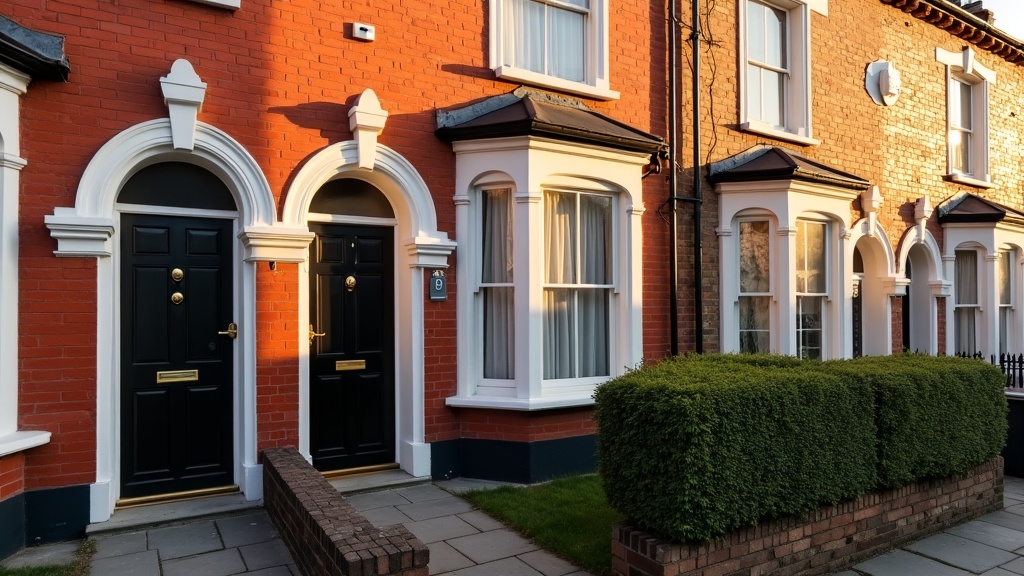
London adds three complications:
- The 90-night rule: under the Deregulation Act 2015, an entire home in Greater London can be let for short stays for no more than 90 nights a year without planning permission. Without that permission, it is hard to show the property was lawfully available for the 140 nights the English test needs, so most London homes let this way stay on council tax.
- Second homes premiums: since April 2025, councils in England can charge a council tax premium of up to 100% on furnished homes that are nobody's main residence. Each council decides whether to charge it, so check your borough.
- Higher rateable values: London properties often have rateable values above the small business rate relief limits, so even a property that qualifies for business rates may still have a bill to pay.
Our guide to London council tax and business rates for Airbnb hosts goes into more detail.
What happens if your Airbnb doesn't reach the threshold?
If you fall short of the tests, the property is treated as a domestic property and you pay council tax. If it is not anyone's main home, you may also pay a second homes premium: up to 100% in England and up to 300% in Wales, depending on your council.
Seasonal and part-time hosts are most at risk. If you block weeks for your own use, only open the calendar in the summer, or face stiff local competition, you may not let enough nights, particularly against the 182-night test in Wales.
Some flexibility exists. In Wales you can use a two or three year average if one year falls short, and charity nights can count. In England, the test simply looks at the last 12 months, so a weak year can move the property back to council tax.
If your nights let are consistently low, look at the listing itself. Get a free listing score from Zugrow to see whether pricing, photos or your title are holding bookings back.
Council tax liability when you live in your Airbnb property
If you let a spare room or part of your home while living there as your main residence, you stay on council tax for the whole property. The self-catering business rates tests do not apply to a property that is anyone's sole or main residence.
You still have tax to think about:
- You need to report Airbnb income on your self-assessment tax return if it is above the allowances
- The Rent a Room Scheme lets you earn up to £7,500 a year tax free from letting furnished accommodation in your only or main home (half that if you share the income with someone else)
- You cannot get business rates relief, but you also avoid the evidence burden of the self-catering tests
For many urban hosts this is the simplest set-up: council tax is payable anyway, paperwork is lighter and planning questions are less likely.
How the rules are checked
Checks are built into the system rather than left to chance:
- Information requests: in England and Wales the VOA can send a form asking for your letting figures, and in Wales it runs a yearly compliance check. You have 56 days to return it. A property that no longer meets the tests moves from business rates to council tax.
- Evidence requests: in Scotland the assessor can ask for evidence of letting, with 56 days to respond.
- Council tax premiums: councils charging second homes premiums look closely at properties that claim not to be second homes.
Changes to the lists can be backdated, so getting it wrong can mean a large catch-up bill, and giving false information to reduce a tax bill can be treated as fraud. If you are not sure you qualify, ask the VOA or your assessor before you claim, and keep the records that support your answer.
The broader tax picture: what changed for holiday lets in 2025
Business rates and council tax are local taxes. Income tax is separate, and it changed in 2025. The furnished holiday lettings tax regime was abolished from 6 April 2025 for income tax and capital gains tax (1 April 2025 for corporation tax). Since then, holiday lets are taxed like other residential lets:
- Mortgage interest: individual landlords get relief as a basic rate (20%) tax credit, not a full deduction
- Furniture and equipment: capital allowances are no longer available on new spending; replacement of domestic items relief applies instead
- Selling: the capital gains reliefs for trading businesses, such as Business Asset Disposal Relief, generally no longer apply
- Pensions: holiday let profits no longer count as relevant earnings for pension contributions
The business rates tests above were not affected by this change. Our guide to holiday let tax rules for 2026 covers income tax in more detail.
What to do right now: your council tax exemption action plan
- Count your nights: add up the nights actually let and the nights genuinely available in the last 12 months, across every platform. Compare them with the tests for your nation.
- Audit your blocked dates: can you explain each one? Personal use does not count as available.
- Check your pricing: compare your rates with similar listings nearby. Rates far above the market make it hard to say the property was genuinely available.
- Ask the right body: the VOA in England and Wales, or your local assessor in Scotland, decides whether the property is rated. Your council handles bills, reliefs and any second homes premium.
- Start your evidence file today: export bookings, take calendar screenshots and file invoices. Some contemporaneous evidence is better than none.
- Work on occupancy: if you are close to the letting threshold, Zugrow's free Airbnb listing score shows what is holding bookings back, and a digital guidebook keeps check-in, WiFi and house rules in one place for guests.
Frequently Asked Questions
Is there a summer holiday rule for Airbnb council tax?
No. Letting over the summer does not on its own change your council tax. What matters is whether the property meets the business rates tests for self-catering accommodation in your nation, measured over a full year.
Do I have to pay council tax on my Airbnb if I let it for more than 140 nights?
Availability of 140 nights is only part of the English test. The property must also have been actually let for at least 70 nights in the last 12 months, each let must be 28 nights or less, and you must plan to keep it available for 140 nights. If it meets all of them, it is assessed for business rates instead of council tax. In Wales the thresholds are 252 nights available and 182 nights let.
Can I claim council tax exemption if I use my Airbnb for personal holidays?
Nights you use yourself do not count as available to let, and free or cheap stays for friends and family are not commercial lets. If personal use means you fall short of the tests, the property stays on council tax.
What evidence do I need?
Booking confirmations, payout statements, calendar screenshots, adverts, invoices that explain blocked dates and guest messages. You need to show both the nights available and the nights actually let.
Does the 90-night London rule affect council tax exemption for Airbnb?
Usually, yes. Without planning permission, an entire home in Greater London can only be let for short stays for 90 nights a year, which makes it hard to show the 140 nights of availability the English test needs. Most London homes let this way stay on council tax.
What happens if I wrongly claimed business rates instead of council tax?
The property can be moved back to council tax, the change can be backdated, and you may also face a second homes premium. Giving false information can be treated as fraud. If you think your position is wrong, contact the VOA or your assessor and your council to put it right.
Is it worth trying to hit the letting threshold just for business rates?
It depends on your council tax band, any second homes premium, your rateable value and whether small business rate relief applies to you. Since April 2025 there are no extra income tax benefits from holiday let status, so compare the local tax bills on their own. Never inflate bookings or misstate availability.
Final thoughts
There is no summer holiday shortcut. Whether your Airbnb pays council tax or business rates comes down to nights available, nights actually let and whether anyone lives there, measured against the rules in your nation. Know which test applies to you, keep the evidence as you go, and check with the VOA or your assessor if you are unsure.
If you are short of nights, the listing may be the problem rather than the market. Get your free Airbnb listing score from Zugrow and see what to fix.
Sources: GOV.UK, self-catering and holiday let business rates; Local Government Finance Act 1988, section 66; mygov.scot, self-catering and holiday lets; GOV.UK, small business rate relief; GOV.UK, second homes premium guidance; GOV.UK, abolition of the furnished holiday lettings regime; GOV.UK, Rent a Room Scheme. Checked October 2026.