

You've decided to list your property on Airbnb, but before you hit publish, there's one choice that quietly shapes everything: should you list it as a cottage or a flat? The answer changes how guests discover you, what nightly rate the market will support, and whether you compete on charm or convenience.
In rural UK markets, this decision matters more than most hosts realise. A cottage and a flat might share identical square footage, bedrooms, and bathrooms, yet they attract different travellers, command different pricing strategies, and face entirely different competition. One property type might sit empty for weeks while the other books out weekends months in advance.
This guide walks you through the revenue, seasonality, guest expectations, and operational trade-offs between listing an Airbnb cottage vs flat in rural locations. By the end, you'll know which property type suits your asset, your goals, and your local market.
What Makes a Cottage Different from a Flat on Airbnb?
Airbnb's property type picker isn't just a label. It's a filtering tool that determines which searches your listing appears in, and each category carries guest expectations that shape how your listing performs.
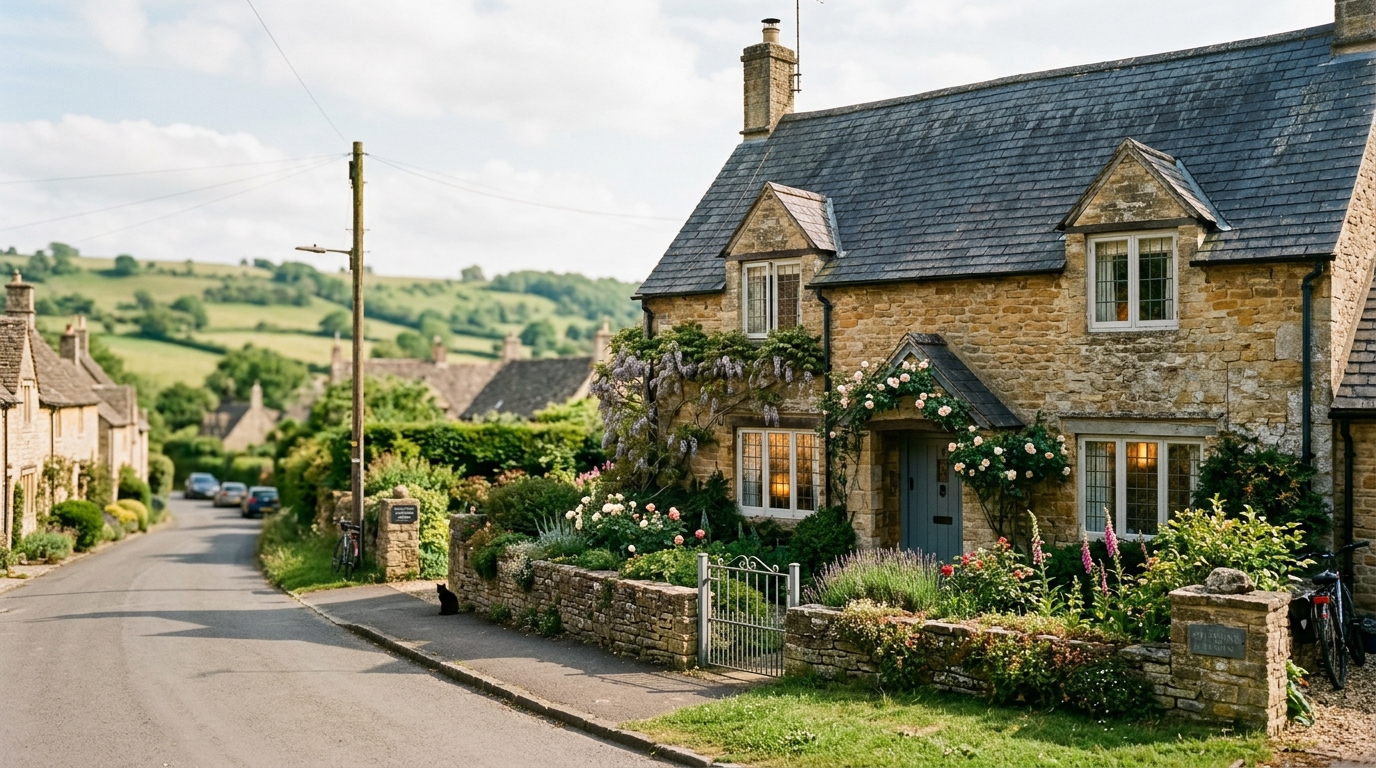
A cottage on Airbnb is typically a standalone or semi-detached building, often traditional in character, with its own entrance, outdoor space, and a rural or village setting. Guests searching for cottages expect charm, privacy, and a retreat atmosphere. They filter for cottages when planning weekend escapes, countryside breaks, and longer stays away from urban centres.
A flat (or apartment) is a self-contained unit within a larger building, usually sharing walls, entrances, or communal areas with neighbours. Flats in rural settings are less common than in cities, but they exist in converted manor houses, above village shops, or in new-build developments near market towns. Guests booking rural flats often prioritise value, accessibility, and a base for exploring the area rather than the property itself being the destination.
The distinction matters because your property type determines your competitive set. A cottage competes with other cottages, country houses, and cabins. A flat competes with other flats and sometimes budget-focused entire homes. If you list a cottage as a flat, you'll appear in searches from guests with different budgets, trip purposes, and expectations, and your pricing, reviews, and booking patterns will suffer.
Which Property Type Earns More Revenue in Rural UK Markets?
There is no universal winner. Revenue performance depends on your location, seasonality, guest capacity, and how well your property delivers on category expectations. But there are clear patterns in how cottages and flats monetise differently in rural markets.
Cottages: Higher Nightly Rates, Seasonal Peaks, Longer Stays
Cottages in rural UK locations typically command higher nightly rates than flats of comparable size. Guests pay a premium for the experience: character features, outdoor space, privacy, and the sense of staying somewhere special. A two-bedroom cottage in the Cotswolds, Lake District, or Peak District can charge weekend rates that a similar-sized flat in the same village cannot match.
But that premium comes with trade-offs. Cottage bookings are heavily seasonal. Spring and summer weekends, school holidays, and festive periods drive the majority of revenue. Winter midweeks can see occupancy drop sharply unless your cottage offers year-round appeal (log burner, hot tub, dog-friendly, or proximity to winter attractions).
Cottages also attract longer stays. Guests booking a countryside cottage are more likely to stay three to seven nights than those booking a rural flat. This means fewer turnovers, lower cleaning and laundry workload, and more predictable income during peak periods. However, it also means you need to price midweek stays carefully to avoid leaving gaps between weekend bookings.
Flats: Lower Rates, More Consistent Demand, Shorter Stays
Flats in rural areas earn less per night than cottages, but they often see more consistent year-round demand. A flat near a market town, transport hub, or business centre appeals to a broader guest mix: contractors, relocated workers, family visitors, and budget-conscious leisure travellers. This guest diversity smooths out seasonal dips.
Flats also attract shorter stays. One- or two-night bookings are common, especially if your location serves as a base for exploring multiple attractions or attending events. This increases turnover, cleaning costs, and operational workload, but it also means you can fill your calendar with back-to-back bookings rather than relying on weekend peaks.
The revenue ceiling for rural flats is lower, but the floor is higher. You're less likely to see week-long bookings at premium rates, but you're also less likely to have empty weeks in February.
Seasonality and Occupancy: How Cottages and Flats Fill Differently
Understanding how your property type fills across the calendar is essential to building a pricing strategy that maximises revenue rather than leaving money on the table.
Cottage Occupancy Patterns
Cottages see demand spikes around weekends, school holidays, and public holidays. Friday and Saturday nights book first, often months in advance for popular destinations. Midweek nights fill later, usually only when guests extend a weekend or book a full week.
This creates a calendar challenge. If you price every night the same, you'll leave revenue on the table at weekends and struggle to fill gaps midweek. Successful cottage hosts use dynamic pricing with clear weekend uplifts, last-minute discounts for midweek gaps, and minimum-night rules that encourage longer stays during peak periods.
Seasonality is stark. A cottage in the Yorkshire Dales might achieve near-full occupancy from May to September, then drop to sporadic bookings in November and January unless it offers a compelling winter proposition.
Flat Occupancy Patterns
Flats in rural areas see steadier demand across weekdays and weekends, especially if located near employment hubs, hospitals, or universities. Contractors and relocated workers often book Monday to Friday, leaving weekends free for leisure travellers.
This dual appeal means flats can optimise for two guest types with different pricing. Offer weekly discounts to attract long-term guests, and raise weekend rates slightly to capture leisure demand. The result is a calendar that fills more evenly, with fewer empty blocks.
Seasonality still exists but is less extreme. A flat near a Cumbrian market town will see summer leisure bookings rise, but winter occupancy stays healthier than a cottage thanks to year-round local demand.
Guest Expectations: What Travellers Want from Each Property Type
Revenue doesn't just come from the nightly rate. It comes from bookings, and bookings come from meeting or exceeding guest expectations. Cottages and flats attract guests with different priorities.
What Cottage Guests Expect
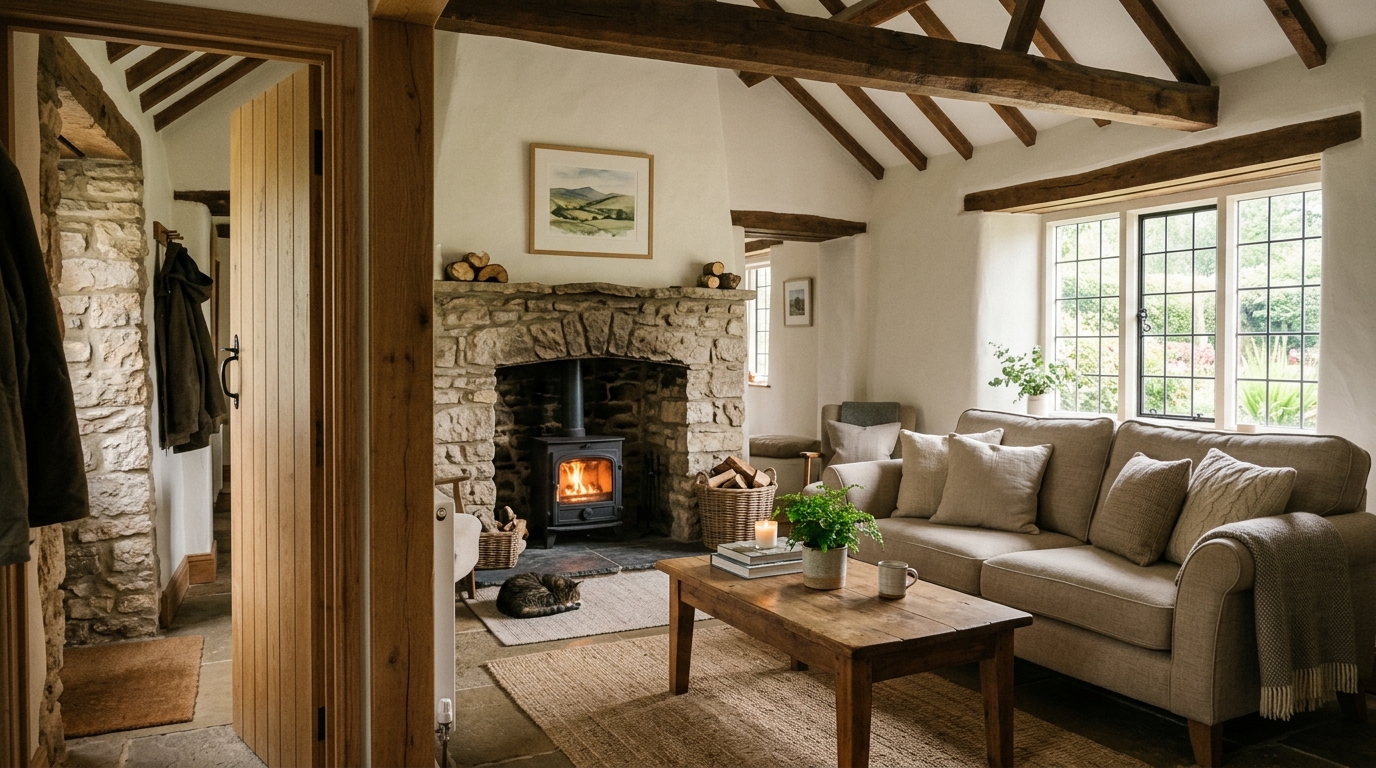
Guests booking a rural cottage expect the property to be the experience, not just a place to sleep. They're looking for character features (exposed beams, fireplaces, stone walls), outdoor space (garden, patio, or countryside views), and a sense of escape from daily life.
They prioritise privacy. Cottages should have their own entrance, dedicated parking, and no shared spaces. Guests don't want to hear neighbours or navigate communal hallways.
They also expect thoughtful touches: a welcome hamper, local guidebook, quality linens, and a well-equipped kitchen. These aren't nice-to-haves for cottages; they're table stakes. A cottage without them underperforms because it fails to justify the premium rate.
What Flat Guests Expect
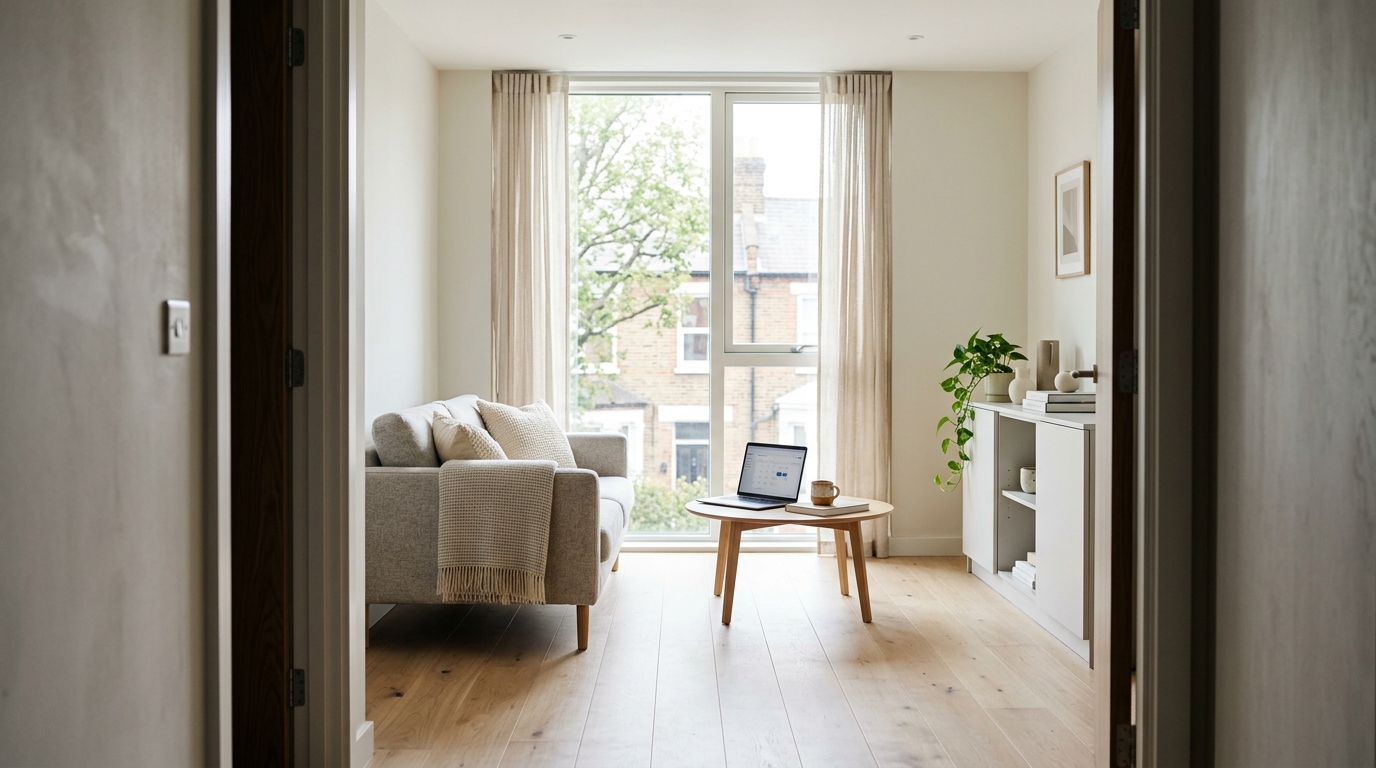
Guests booking a rural flat prioritise practicality over charm. They want a clean, functional space with good Wi-Fi, a comfortable bed, and easy access to local amenities. The property is a base, not a destination.
They're more forgiving of shared entrances, communal parking, or neighbours, provided the flat itself is well-maintained and represents good value. They're less interested in character features and more interested in reliable heating, a good shower, and clear check-in instructions.
Flats thrive on efficiency. A streamlined digital guidebook, self-check-in, and responsive hosting matter more than artisan soap or fresh flowers. If you'd like to create a professional digital guidebook that guests can access before arrival, Zugrow's guidebook builder (£2.95/month billed annually, or £3.25 month to month) lets you add house rules, Wi-Fi details, local recommendations, and check-out instructions in minutes.
Operational Workload: Which Property Type Demands More Time?
Revenue potential is only one part of the decision. The time and cost required to maintain each property type affects your net return.
Cottage Hosting Workload
Cottages often require more upkeep. Gardens need mowing, gutters need clearing, and character features (old windows, solid fuel stoves, flagstone floors) need maintenance. Longer guest stays reduce turnover frequency, but each turnover is more involved: larger properties mean more rooms to clean, more linens to wash, and more surfaces to check.
Cottages also attract higher guest expectations, which means more pre-arrival communication, more questions about local walks or dog-friendly pubs, and more post-stay feedback if anything falls short. You're not just providing accommodation; you're curating an experience.
Flat Hosting Workload
Flats are typically lower-maintenance. Smaller square footage means faster turnovers, and landlords or managing agents often handle external maintenance (roof, communal areas, building insurance). You're responsible for the interior and guest experience, but not the structure.
Higher turnover frequency increases cleaning and laundry workload. If your flat averages two-night stays, you'll turn it over twice as often as a cottage with four-night stays, doubling the time spent on changeovers.
Flats also require tighter guest management. Shorter stays mean more check-ins, more key handovers, and more guest communication. Self-check-in with a keypad or lockbox is essential to keep this workload sustainable.
Pricing Strategy: How to Set Rates for Cottages vs Flats
Your nightly rate determines how visible your listing is in search, how quickly it books, and whether you maximise revenue or leave money on the table. Cottages and flats require different pricing approaches.
Cottage Pricing Strategy
Cottages should use dynamic pricing with clear weekend uplifts and seasonal adjustments. Your weekend rate should reflect the premium guests pay for character, privacy, and location. Your midweek rate should be lower to fill gaps and encourage longer stays.
Avoid flat-rate pricing. A cottage priced the same every night will either book out weekends months in advance at a rate that's too low, or sit empty midweek at a rate that's too high. Use Airbnb's weekend pricing feature or a third-party tool to set separate rates for Friday and Saturday nights.
Consider minimum-night rules during peak periods. Requiring a two- or three-night minimum over bank holidays or school holidays prevents one-night bookings that fragment your calendar and reduce revenue.
Flat Pricing Strategy
Flats benefit from stable base pricing with modest weekend uplifts and weekly discounts. Your goal is consistent occupancy, so price competitively against other flats and budget-friendly entire homes in your area.
Offer a weekly discount to attract contractors, relocated workers, and longer leisure stays. A discount encourages guests to book seven nights instead of three, reducing your turnover workload and securing a full week of income.
Avoid overpricing. Flats compete on value, so check what similar properties in your area charge and position yourself slightly below the median unless you offer a clear differentiator (parking, pet-friendly, fast Wi-Fi).
Not sure where your pricing sits compared to local competitors? Zugrow's free Airbnb listing score compares your listing to local competitors, showing you exactly where you stand and what adjustments could improve occupancy.
Amenities That Matter: What Guests Filter For in Each Property Type
Guests don't scroll through hundreds of listings. They filter by amenities, and if your listing doesn't tick the right boxes, it never appears. Cottages and flats need different amenity strategies.
Essential Cottage Amenities
For cottages, parking is non-negotiable. Guests driving to rural locations expect dedicated off-street parking, and listings without it are filtered out of most searches. If you have parking, tick the amenity and mention it in your title.
Outdoor space is almost as critical. A garden, patio, or terrace sets cottages apart from flats and justifies higher rates. Even a small courtyard counts. Add photos of your outdoor space in the first five images.
Pet-friendly is a revenue multiplier for rural cottages. A large portion of countryside breaks include dogs, and pet-friendly listings command higher rates and longer stays. If your property allows pets, enable the amenity and add a photo of the garden or outdoor area where dogs can explore.
Other high-value cottage amenities: log burner or fireplace, washing machine (essential for longer stays), and dishwasher (expected in larger properties). If you're considering adding a coffee maker, remember that a simple French press or cafetière qualifies as a 'Coffee Maker' on Airbnb's amenity checklist, letting your listing appear in filtered searches without buying an expensive machine.
Essential Flat Amenities
For flats, Wi-Fi is the single most important amenity. Contractors and remote workers filter by it, and leisure guests expect it as standard. If your broadband is slow or unreliable, upgrade before you list.
Parking is valuable but less critical than for cottages. Many rural flats rely on street parking or nearby public car parks. If you offer dedicated parking, it's a strong differentiator; if not, make alternative parking options clear in your description.
Washing machine becomes essential for stays longer than three nights. Contractors and extended-stay guests filter for it, and adding one can unlock a new guest segment.
Other flat amenities that improve bookings: self-check-in (keypad or lockbox), heating (clearly stated in winter months), and a well-equipped kitchen (even a small one). Flats don't need luxury touches, but they must deliver on the basics.
Marketing and Photos: How to Position Each Property Type
Your photos and listing copy are the first impression. Cottages and flats need different visual and written strategies to convert views into bookings.
Cottage Listing Strategy
Lead with charm. Your hero photo should showcase the property's character: a wide shot of the cottage exterior, a cosy living room with a fireplace, or a sun-drenched garden. Avoid leading with a generic bedroom or bathroom.
Your listing title should include your property type, location, and key differentiator. For example: 'Cosy Stone Cottage with Log Burner and Garden in the Cotswolds' or 'Dog-Friendly Cottage near Lake Windermere, Sleeps 4'. Guests searching for cottages want to know immediately that your property delivers the experience they're imagining.
In your description, emphasise privacy, outdoor space, and character features. Describe the setting, the atmosphere, and what makes a stay special. Mention nearby walks, pubs, and attractions, but lead with the property itself.
Flat Listing Strategy
Lead with space and light. Your hero photo should be a bright, wide-angle shot of the living area or an open-plan kitchen-living space. Show that the flat is clean, modern, and inviting.
Your listing title should highlight location, capacity, and practical benefits. For example: 'Modern 1-Bed Flat in Keswick, Parking & Fast Wi-Fi' or 'Central Flat near Ludlow, Ideal for Contractors & Couples'. Guests booking flats want clarity, not poetry.
In your description, focus on practicality. Mention Wi-Fi speed, parking arrangements, proximity to shops and transport, and any amenities that make the stay easier (dishwasher, washing machine, self-check-in). Keep it concise and scannable.
Want feedback on your listing photos, title, and description? Zugrow's free listing score analyses every element of your listing and shows you exactly what's working and what's holding you back.
Which Property Type Should You Choose for Your Airbnb?
The decision between listing your property as a cottage or flat isn't about which earns more in the abstract. It's about which category your property fits, which guest segment you want to serve, and which revenue model suits your goals.
Choose cottage if:
- Your property is standalone or semi-detached with its own entrance
- You have outdoor space (garden, patio, courtyard)
- The building has character features (beams, fireplace, stone walls)
- You're willing to invest in creating an experience, not just accommodation
- You can handle seasonal demand spikes and quieter winter months
- You want to charge premium rates for weekends and peak periods
Choose flat if:
- Your property is a self-contained unit within a larger building
- You prioritise consistent year-round occupancy over peak-season premiums
- Your location appeals to contractors, workers, or budget-conscious leisure guests
- You want lower operational workload (no garden, smaller space, less maintenance)
- You're comfortable with higher turnover and shorter stays
- Your property lacks outdoor space or traditional character features
The wrong category choice won't just confuse guests. It will place you in the wrong competitive set, set the wrong pricing expectations, and leave you competing on criteria your property can't win on. A flat marketed as a cottage disappoints guests expecting charm and privacy. A cottage marketed as a flat undersells itself and leaves revenue on the table.
How to Optimise Your Listing Once You've Chosen Your Property Type
Choosing the right property type is the foundation, but revenue comes from execution. Once you've selected cottage or flat, your next step is to optimise every element of your listing to outperform local competitors.
Start with your photos. The first five images drive booking decisions, so lead with your strongest shots: exterior for cottages, bright living space for flats. Every photo should be well-lit, clutter-free, and show the space at its best. If your photos are dark, cluttered, or poorly framed, they cost you bookings every single day.
Next, audit your amenities. Tick every amenity your property offers, because unticked boxes mean your listing doesn't appear in filtered searches. If you're missing a high-value amenity that's easy to add (coffee maker, extra pillows, outdoor seating), add it and update your listing immediately.
Review your title and description. Your title should include your property type, location, guest capacity, and one standout feature. Your description should answer the questions your ideal guest is asking: Where is it? What's included? What's nearby? Keep it concise, scannable, and focused on what makes your listing worth booking.
Finally, build a pricing strategy that reflects how your property type fills. Cottages need weekend uplifts and seasonal pricing. Flats need competitive base rates and weekly discounts. Flat-rate pricing costs both property types revenue.
If you'd like a professional audit of your listing with specific, actionable suggestions to improve bookings and revenue, Zugrow's free Airbnb performance score analyses your photos, title, description, pricing, and amenities, showing you exactly where you're losing bookings and what to fix first.
Common Mistakes Hosts Make When Choosing Property Type
Even experienced hosts make category errors that quietly cost them bookings. Here are the most common mistakes to avoid.
Listing a Cottage as a Flat to Appear in More Searches
Some hosts list a cottage as a flat hoping to capture both guest segments. This backfires. Guests searching for flats have different budgets and expectations, and when they see your cottage-priced listing, they scroll past. Meanwhile, guests searching for cottages never see you. You end up invisible to both groups.
Always choose the category that accurately describes your property. Airbnb's algorithm rewards relevance, and a well-optimised cottage listing will outperform a miscategorised flat listing every time.
Ignoring Seasonal Demand When Pricing a Cottage
Cottages earn premium rates during peak periods, but only if you price dynamically. Hosts who set one year-round rate leave money on the table in summer and sit empty in winter. Use weekend pricing, seasonal adjustments, and last-minute discounts to keep your calendar full and revenue high.
Overpricing a Flat Compared to Local Competition
Flats compete on value. If your nightly rate is higher than similar flats in your area without a clear reason (parking, faster Wi-Fi, better location), you'll struggle for bookings. Check what comparable flats charge and price competitively unless you offer a standout differentiator.
Under-Investing in Flat Amenities
Flats don't need character features, but they must deliver on the basics. Slow Wi-Fi, poor heating, or a poorly equipped kitchen will tank your reviews and bookings. Invest in reliable broadband, comfortable bedding, and a well-stocked kitchen before you launch.
Frequently Asked Questions
Do cottages earn more than flats on Airbnb in rural UK?
Cottages typically command higher nightly rates due to character features, privacy, and outdoor space, but they experience stronger seasonality. Flats earn lower nightly rates but often achieve steadier year-round occupancy. Total revenue depends on location, seasonality, and how well your property meets guest expectations for its category.
Can I list my property as both a cottage and a flat?
No. Airbnb requires you to choose one property type, and your listing appears in searches filtered by that category. Choosing the wrong type places you in the wrong competitive set and confuses guests. Always select the category that accurately describes your property's structure, features, and guest experience.
What amenities matter most for rural Airbnb cottages?
Parking, outdoor space, and pet-friendly policies are the highest-value amenities for rural cottages. Guests also expect character features (fireplace, beams), a well-equipped kitchen, and a washing machine for longer stays. Each amenity you tick increases your visibility in filtered searches and justifies higher nightly rates.
How do I price a rural flat competitively on Airbnb?
Check what similar flats in your area charge and position your base rate slightly below the median unless you offer clear differentiators like parking or fast Wi-Fi. Offer weekly discounts to attract contractors and longer stays, and add a modest weekend uplift to capture leisure demand without pricing yourself out of the market.
Should I accept shorter stays in my cottage to fill midweek gaps?
It depends on your turnover costs and calendar strategy. Shorter stays increase cleaning workload and fragment your calendar, but they can fill gaps that would otherwise stay empty. Use minimum-night rules during peak periods to protect weekend revenue, and relax them midweek or during quieter months to maintain occupancy.
Which property type is easier to manage as a new host?
Flats are generally easier for new hosts. They have smaller square footage, lower maintenance demands, and attract guests with more straightforward expectations. Cottages require more upkeep, more guest communication, and a higher standard of presentation, but they also offer higher revenue potential once you've mastered the operational workload.
Ready to Optimise Your Listing?
Choosing between a cottage and a flat is just the first step. Revenue comes from execution: the right photos, the right title, the right amenities, and the right pricing strategy. Every element of your listing either attracts bookings or quietly costs you revenue, and most hosts never know which is which.
If you'd like to see exactly how your listing performs and what changes would improve bookings, Zugrow's free Airbnb listing score analyses your property in minutes. You'll get a performance grade, competitor comparison, and actionable suggestions to increase visibility, bookings, and revenue. No obligation, just clarity on what's working and what isn't.
Whether you're listing a cottage or a flat, the hosts who win in rural UK markets are the ones who understand their property type, know their guest, and optimise every detail. Start with the free score, and see where you stand.