

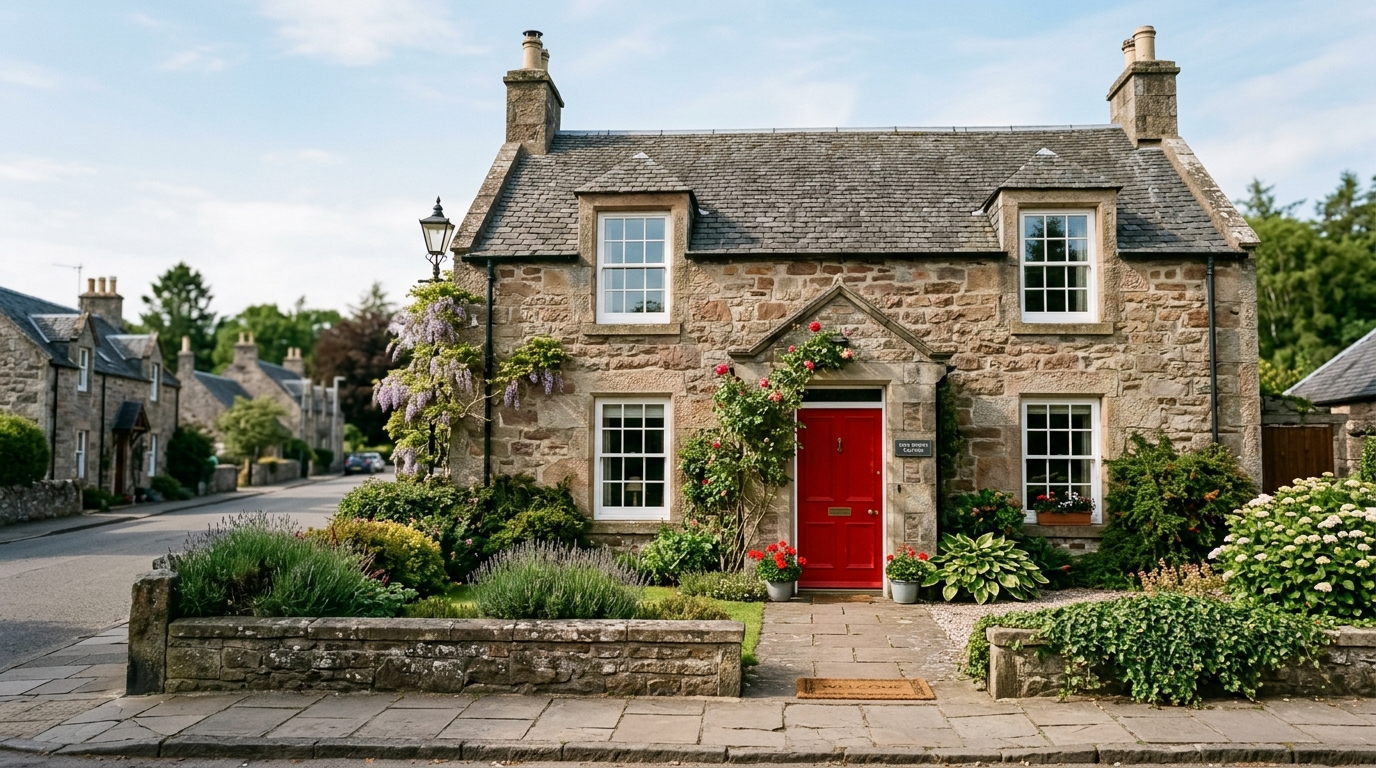
Most guides to starting an Airbnb in Scotland tell you to apply for change of use planning permission, wait months, and hope for the best. What they don't tell you is that there's a little-used exemption that could save you months of waiting, or that some councils now fast-track applications under 90 days. If you're planning to let your own home while you're away, or only running a handful of nights a year, you might not need full planning consent at all.
Scotland's short-term letting rules are strict, but they're not one-size-fits-all. Understanding the difference between full commercial lettings and the home-let exemption could mean the difference between a six-month wait and starting next week. This guide walks you through the planning permission shortcuts almost nobody talks about, the fast-track schemes councils quietly operate, and the exact steps to take if you want to start hosting without getting caught in bureaucratic limbo.
Do You Actually Need Planning Permission to Start an Airbnb in Scotland?
Not always. If you're letting your own home while you're away for fewer than a certain number of nights, you may qualify for the home-let exemption, which means you can host without applying for change of use planning permission. If you're running a full commercial operation or converting a second property into a dedicated short-term let, you almost certainly will.
The key distinction is whether the property remains your primary residence. If you live there most of the year and only let it out when you're on holiday or travelling, you're likely exempt from planning consent under the home-let rule. If you're buying a flat purely to rent on Airbnb, or you've moved out to let it full-time, that's a change of use from residential (Class 9) to short-term let (sui generis), and you need planning permission.
Before you panic and assume the worst, check your local council's planning portal. Some councils publish clear guidance on what triggers the need for permission, and many operate a pre-application advice service where you can ask directly. For a full breakdown of Scotland's regulations, including licensing, read our guide to Airbnb regulations in Scotland.
What Is the Home-Let Exemption and Who Qualifies?
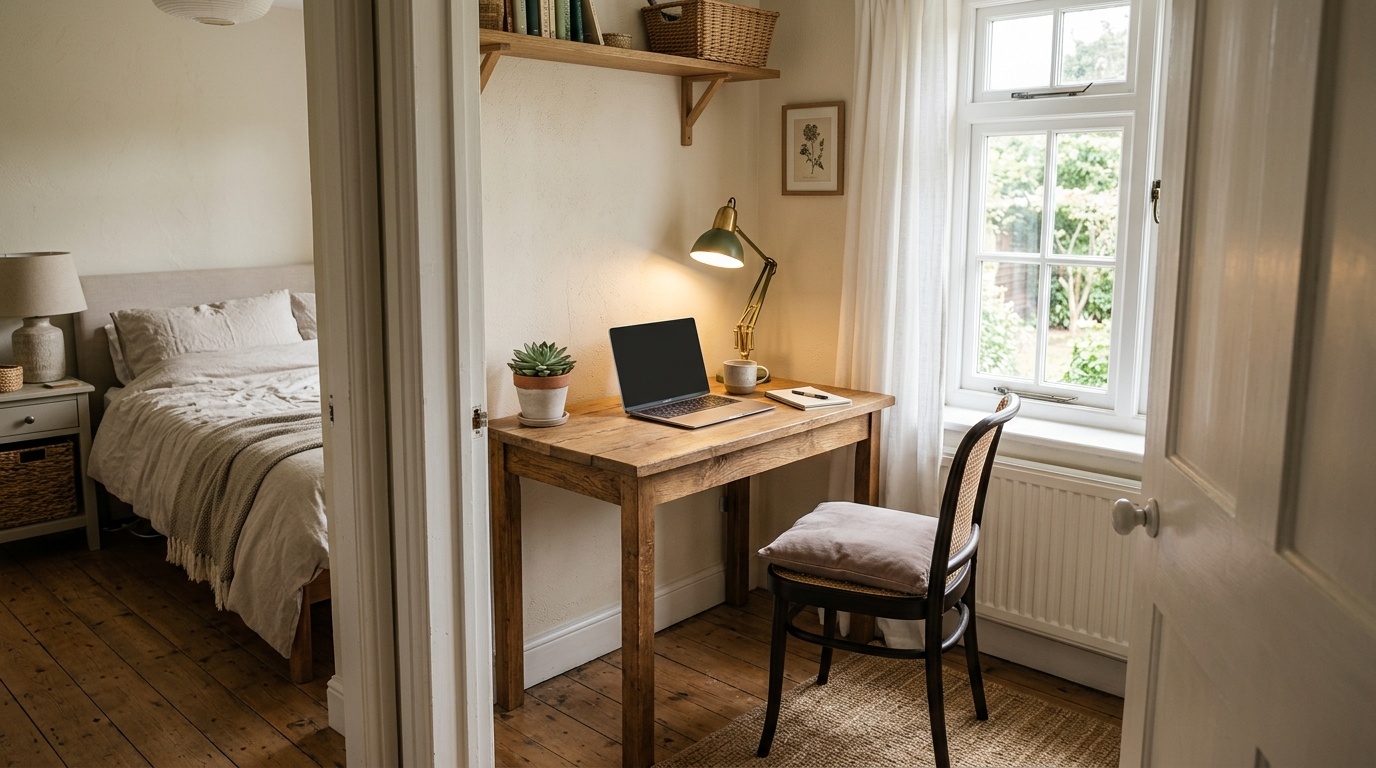
The home-let exemption allows you to let your own home on a short-term basis without needing planning permission, as long as it remains your primary residence. This is designed for homeowners who want to rent out their property occasionally while they're away, not for landlords running commercial Airbnb businesses.
To qualify, you must:
- Live in the property as your main home for the majority of the year
- Only let it out when you're not there (e.g. during holidays or work trips)
- Not exceed a set number of nights per year (the threshold varies by council, but is often around 90 days)
- Not have moved out permanently to convert the property into a short-term let
The exemption is not automatic. You still need a short-term let licence from your local council, even if you're exempt from planning permission. The licence application will ask you to declare whether you're using the home-let exemption, and the council may ask for evidence (council tax records, utility bills, or a statutory declaration) to prove the property is your main residence.
If your council questions your eligibility, be prepared to show that you're not gaming the system. Councils have the power to investigate if they suspect you're running a commercial let disguised as a home-let, and if they find you've misrepresented your situation, they can revoke your licence and require retrospective planning permission.
The 90-Day Rule: How Councils Interpret It Differently
Many councils reference a 90-day threshold for home-let exemptions, but the way they apply it varies wildly. Some councils treat it as a hard cap: exceed 90 nights per year and you need planning permission. Others use it as a guideline, focusing instead on whether the property is genuinely your main home.
Edinburgh, for example, has historically been strict about the 90-day rule, and expects hosts to track and report their letting nights annually. Glasgow takes a similar approach. Highland Council, by contrast, focuses more on whether the property is your primary residence, and may allow more flexibility if you can demonstrate you live there most of the year.
The safest approach: assume 90 days is the limit unless your council explicitly states otherwise. Keep detailed records of every booking, check-in, and check-out. If you're approaching the threshold, stop accepting bookings until the calendar year resets. Going over by even a few nights can trigger a planning enforcement investigation, and councils have access to Airbnb data if they choose to request it.
Not sure where you stand? Check with your council's planning team, then get your free Airbnb listing score from Zugrow to see where your listing setup can improve.
Fast-Track Planning Routes Almost Nobody Mentions

If you do need planning permission, the standard route can take months. But some councils operate fast-track schemes for applications that meet certain criteria, and almost nobody knows about them because they're buried in planning policy documents or only mentioned in pre-application advice sessions.
Edinburgh's Simplified Planning Zone (SPZ): In certain areas of the city, short-term let planning applications that meet specific conditions can be processed faster than the standard 8-week determination period. The SPZ aims to speed up low-impact applications that align with the council's planning policy, particularly in areas where short-term lets are not seen as detrimental to the local housing supply.
Highland Council's Pre-Application Advice: Highland offers a paid pre-application service (usually under £100) where a planning officer will review your proposal and tell you whether it's likely to be approved before you submit a formal application. If you get a positive indication, your formal application is often processed faster because the groundwork has already been done.
Glasgow's Officer Delegation: For straightforward applications with no objections from neighbours and no policy conflicts, Glasgow City Council can approve planning permission under delegated powers, meaning it doesn't need to go to a full planning committee. This can shave weeks off the timeline.
The shortcut here is simple: contact your council's planning department before you submit an application. Ask if they offer pre-application advice, if there are any fast-track routes, and what would make your application straightforward to approve. A 30-minute phone call can save you three months of waiting.
How to Apply for Planning Permission (the Practical Steps)
If you've determined you need planning permission, here's the step-by-step process to get it done properly:
1. Check Your Council's Planning Portal
Every Scottish council has an online planning portal where you can search for similar applications in your area. Look up your street or postcode and see if any neighbours have applied for short-term let planning permission. Check whether they were approved or refused, and read the planning officer's report to understand the council's reasoning.
2. Prepare a Planning Statement
This is a short document (usually 2-4 pages) explaining why your application should be approved. Address the council's main concerns: impact on the local housing supply, neighbour amenity (noise, anti-social behaviour), and whether the property will be managed responsibly. Include details like your guest vetting process, house rules, and how you'll handle complaints.
3. Submit Your Application Online
Most councils use the Scottish Government's ePlanning portal. You'll need to upload floor plans, site location plans, and your planning statement. The application fee varies by council but is typically £200-£400.
4. Notify Your Neighbours
You're legally required to notify adjoining neighbours of your application. The council will provide a template letter. Send it by recorded delivery and keep proof of postage, because if a neighbour objects and claims they weren't notified, your application can be delayed or invalidated.
5. Respond to Objections Quickly
If neighbours object, the council will give you a chance to respond. Don't ignore this step. A well-reasoned response addressing their concerns can be the difference between approval and refusal. Be specific: if they're worried about noise, explain your quiet hours policy and how you'll enforce it. If they're concerned about parking, show where guests will park.
For more on the legal side of starting an Airbnb, including planning and compliance, see our starting an Airbnb legal checklist.
What If You're Running a Second Property as a Full-Time Airbnb?
If you're converting a buy-to-let or a second home into a dedicated short-term let, you need both planning permission and a short-term let licence. There's no exemption for this scenario, and councils are particularly vigilant about enforcing it because of concerns about housing supply.
Your application will be assessed against the council's planning policy, which often includes criteria like:
- Whether the property is in an area with an existing over-concentration of short-term lets
- Whether removing the property from the long-term rental market harms the local housing supply
- Whether the proposed use would harm the character of the area or cause nuisance to neighbours
In Edinburgh, for example, the council's planning policy divides the city into zones, and applications in areas with high concentrations of short-term lets face stricter scrutiny. In these zones, you may need to demonstrate an exceptional reason why your application should be approved despite the policy presumption against further short-term lets.
If your application is refused, you have the right to appeal to the Scottish Government's Planning and Environmental Appeals Division. Appeals take months and often require professional planning consultancy support, so the best strategy is to get it right first time by following the council's guidance closely and addressing policy concerns upfront.
The Licensing vs. Planning Permission Confusion (and Why You Need Both)
One of the biggest points of confusion for new hosts is the difference between a short-term let licence and planning permission. They are separate requirements, and you need both if you're running a commercial short-term let.
Planning permission is about land use. It determines whether you're allowed to use your property as a short-term let in the first place. It's granted by the council's planning department and is a legal requirement if your property's use changes from residential to short-term letting.
A short-term let licence is about operating standards. It's issued by the council's licensing department and covers safety, management, and compliance. Even if you're exempt from planning permission (e.g. under the home-let rule), you still need a licence.
You cannot operate legally without both. If you apply for a licence but don't have planning permission, the licensing team will reject your application and refer you to planning. If you get planning permission but never apply for a licence, you're operating illegally and can be fined.
The licensing application is detailed and includes questions about fire safety, gas and electrical certificates, insurance, and how you'll manage the property. Budget at least a few weeks to gather the required documents, and expect the licence fee to be several hundred pounds (it varies by council).
For context on how other UK nations handle this, see our guide to starting an Airbnb in Wales, where registration works differently.
Common Mistakes That Delay or Derail Planning Applications
Planning applications fail for predictable reasons. Here are the mistakes that will cost you time and money:
Submitting Incomplete Documentation
Missing a site plan, floor plan, or neighbour notification letter will get your application returned immediately. Double-check the council's validation checklist before you submit.
Ignoring the Council's Planning Policy
Every council publishes a planning policy for short-term lets. If your application doesn't address the policy criteria, it will be refused. Read the policy, understand the tests your application must pass, and address them explicitly in your planning statement.
Failing to Engage Neighbours Early
If your first contact with neighbours is the formal notification letter, you've already lost goodwill. Knock on their doors before you apply, explain your plans, and address their concerns upfront. A neighbour objection can derail even a strong application, and councils take objections seriously.
Misrepresenting the Home-Let Exemption
Claiming the exemption when you've actually moved out to let the property full-time is fraud, and councils will investigate if they suspect it. If you're caught, you'll face retrospective planning enforcement, fines, and possible prosecution.
Assuming You Can Start Before Approval
Some hosts list their property on Airbnb while their planning application is pending, thinking they'll have approval by the time bookings start. If your application is refused or delayed, you'll have to cancel bookings, refund guests, and risk your Airbnb account standing. Wait for approval before you go live.
How Long Does the Whole Process Take?
If you're applying for both planning permission and a short-term let licence, expect the entire process to take three to six months from start to finish, depending on your council and whether there are objections.
Planning permission alone typically takes eight weeks for a decision, but can stretch to 12 weeks or more if the council requests additional information or if neighbours object. Fast-track routes can shave a few weeks off this timeline, but only if your application is straightforward.
The short-term let licence application takes a similar amount of time. Some councils process licences in as little as four weeks if everything is in order, but others take three months or longer, particularly if they're backlogged with applications.
You can submit both applications in parallel, but be aware that some councils won't finalise a licence until planning permission is granted. Check with your council whether they accept concurrent applications or require planning approval first.
Want to make sure your listing is optimised and ready to go live the moment your approvals come through? Zugrow's free listing score checks your title, photos, pricing, and amenities, so you can launch with confidence.
What Happens If You Start Hosting Without Permission?
Operating a short-term let without the required planning permission or licence is a criminal offence in Scotland. Councils have enforcement powers, and they use them.
If the council discovers you're hosting without permission, they can:
- Issue an enforcement notice requiring you to stop letting immediately
- Prosecute you for operating without a licence (fines can reach thousands of pounds)
- Require retrospective planning permission, which is harder to obtain than a standard application because you've already demonstrated non-compliance
- Report you to Airbnb, who may suspend or remove your listing
Councils actively monitor Airbnb and other platforms, and some have dedicated enforcement teams cross-referencing listings against their licensing databases. If your property is listed publicly and you don't have a licence number displayed, you're an easy target.
The risk isn't worth it. Even if you think your council won't notice, a single complaint from a neighbour will trigger an investigation, and once enforcement action starts, it's costly and stressful to resolve.
Can You Appeal a Planning Refusal?
Yes. If your planning application is refused, you have the right to appeal to the Scottish Government's Planning and Environmental Appeals Division (DPEA). You must lodge your appeal within three months of the refusal decision.
Appeals are heard by an independent reporter who will review your application, the council's reasons for refusal, and any representations from objectors. The process can take six to nine months, and there's no guarantee of success.
Most appeals are decided on the basis of written submissions, but you can request a hearing if you believe it will strengthen your case. Professional planning consultants or solicitors often represent appellants, and while this adds cost, it can significantly improve your chances if the refusal was based on a misinterpretation of policy or procedure.
Before you appeal, consider whether it's worth the time and expense. If the refusal was based on clear policy grounds (e.g. the property is in an area with an over-concentration of short-term lets), an appeal is unlikely to succeed. If the refusal was based on neighbour objections that you can address with additional mitigation measures, you may have better luck.
Tips to Strengthen Your Planning Application
A strong planning application anticipates the council's concerns and addresses them upfront. Here's how to make yours as robust as possible:
Include a Detailed Management Plan
Explain how you'll manage the property: who guests contact in an emergency, how you'll enforce house rules, how you'll handle noise complaints, and what your check-in and check-out process looks like. The more professional and reassuring your plan, the harder it is for the council to justify refusal on amenity grounds.
Demonstrate Local Economic Benefit
If your property is in a rural or tourist area, highlight the economic contribution your letting will make: supporting local restaurants, shops, and attractions. Some councils are more lenient in areas where tourism is a key part of the economy.
Show You've Consulted Neighbours
Include a brief note in your planning statement explaining that you've spoken to neighbours and addressed their concerns. If you have written confirmation from neighbours that they support your application, include it as an appendix.
Use Professional-Quality Documents
A scruffy planning statement full of typos signals that you're not serious about compliance. Use clear headings, proper formatting, and proofread everything. If you're not confident in your writing, hire a planning consultant to draft the statement for you.
For a comprehensive view of the entire process of starting an Airbnb in the UK, including planning and compliance, read our complete step-by-step guide.
Frequently Asked Questions
Do I need planning permission to let my own home on Airbnb in Scotland?
Not if you qualify for the home-let exemption, which applies when you're letting your primary residence for short periods while you're away (typically up to 90 days per year). You still need a short-term let licence, even if you're exempt from planning permission.
How long does planning permission take for a short-term let in Scotland?
Standard planning applications take around eight weeks for a decision, but can extend to 12 weeks or more if there are objections or the council requests additional information. Some councils offer fast-track routes for straightforward applications.
Can I start hosting on Airbnb while my planning application is pending?
No. You must wait for planning permission to be granted before you begin hosting. Operating without approval is a criminal offence and can result in enforcement action, fines, and having to cancel bookings.
What's the difference between a short-term let licence and planning permission in Scotland?
Planning permission determines whether you're allowed to use your property as a short-term let (a land-use question). A short-term let licence covers safety, management, and operating standards. You need both if you're running a commercial short-term let.
What happens if my planning application is refused?
You can appeal to the Scottish Government's Planning and Environmental Appeals Division within three months of the refusal. Appeals take several months and often require professional support. Alternatively, you can address the council's concerns and submit a revised application.
Do I need planning permission if I'm only letting my property a few times a year?
It depends on whether the property is your main home. If you're letting your own home occasionally while you're away, you may be exempt under the home-let rule. If it's a second property or you've moved out to let it, you need planning permission regardless of how often you let it.
Final Thoughts
Starting an Airbnb in Scotland requires more paperwork than in most other parts of the UK, but the process is navigable if you understand the rules and use the shortcuts available to you. The home-let exemption, fast-track planning routes, and pre-application advice services are all tools that can save you months of waiting, yet most new hosts never hear about them.
The key is to be honest about your situation, thorough in your applications, and proactive in addressing council concerns before they become objections. Don't assume you can operate under the radar, and don't misrepresent your circumstances to qualify for an exemption you're not entitled to. Councils have the data, the enforcement powers, and the motivation to crack down on non-compliance.
If you're ready to move forward, start by checking your council's planning portal, speaking to the planning department, and gathering the documents you'll need for both planning permission and licensing. And once your approvals are in place, make sure your listing is optimised to attract bookings from day one. Zugrow helps you audit your listing, refine your pricing, and identify the gaps holding you back, so you can start strong and stay competitive.
Ready to see how your listing measures up? Get your free score at Zugrow.