

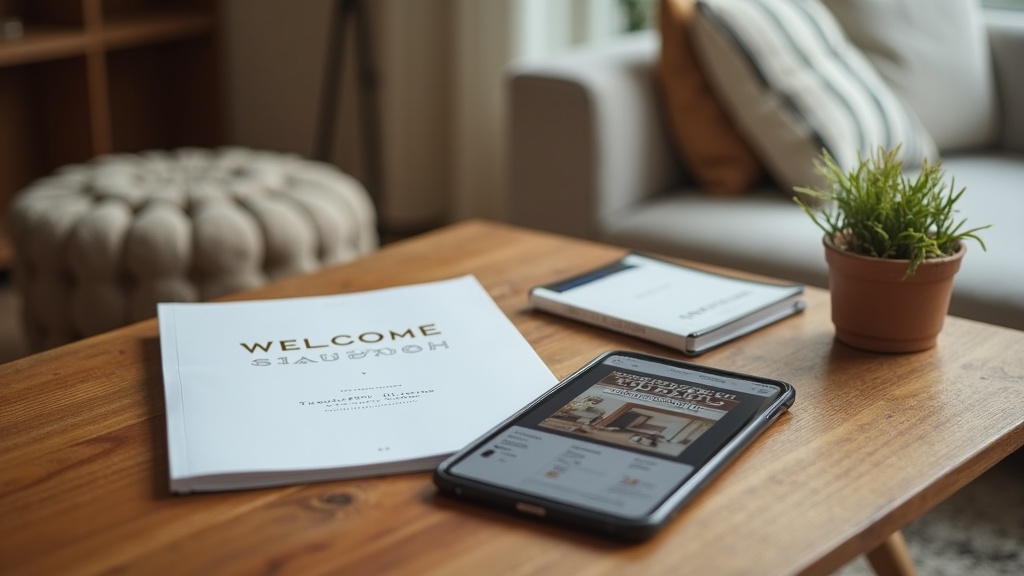
Transparency: Zugrow publishes this blog, and Zugrow is one of the tools compared below. We've kept the comparison factual and flagged where rivals are genuinely the better fit, but read it with that context in mind.
The traditional Airbnb welcome book (a printed booklet on the kitchen counter) still works, but it is no longer the only option, and several alternatives are easier to keep up to date. Here is how the main options compare in 2026, and which suits which host.
The 6 Best Airbnb Welcome Book Alternatives
1. Digital Guidebooks (Best Overall)
A modern digital guidebook (like Zugrow) is a mobile-first web page your guests open on their phone. It holds local recommendations, check-in instructions, house rules, WiFi and transport info, and often an upsells tab, so guests can buy late checkout, early check-in, a welcome hamper or an airport transfer from their phone.
Why it beats a PDF: you can edit it the moment something changes (a new WiFi password, updated parking rules) and every guest sees the latest version, and paid extras can earn some of the cost back. Zugrow's AI drafts the guide from your Airbnb listing link in about 2 to 3 minutes, then you add private details such as door codes. It costs £2.95 a month billed annually (£35.40 a year), or £3.25 month to month, with a 14-day free trial.
2. Airbnb's Built-in House Manual and Guidebook (Best Free Option Inside Airbnb)
Airbnb already gives you two free tools in the Arrival guide section of your listing editor. The house manual covers how the home works (the heating, where the spare bedding is) and is only visible to guests with a confirmed reservation. A guidebook holds your local recommendations; it is public, and you can share it outside Airbnb or print it.
Downsides: you type everything yourself, there are no upsells and little design control, and co-hosts don't have access to new guidebooks.
Use if: you have one listing, a zero budget and guests who all book through Airbnb.
3. Canva Template PDF (Best Free Design Option)

Canva's template library has thousands of Airbnb welcome book designs. Pick one, fill it in, export it as a PDF and email it to guests. You can do this on a free Canva account, though some templates and design elements need Canva Pro, and some designers sell templates separately.
Downsides: every change means re-exporting and re-sending. There is no interactivity (guests can't tap to add late checkout), and it reads like a document rather than a guide built for a phone.
Use if: your budget is genuinely zero and you only have one or two listings to maintain.
4. Touch Stay (Best Established Subscription)
Touch Stay is one of the longest-running digital guidebook products, with a polished editor and a well-known brand. It now offers an AI guidebook generator that pulls details from an Airbnb or Booking.com listing link, plus an upsell widget. Its blog quotes from $99 a year, or $12.50 a month, for one guidebook in US dollars, falling per home as you add more; its pricing calculator shows GBP. On a paid plan, one property costs more than Zugrow's £35.40 a year. It also has a free plan, limited to 20 guest views per guidebook each month.
Use if: you run many listings and want the most established brand, with integrations and a per-home price that drops as you grow.
5. Printed Booklet (Best Tactile Experience)
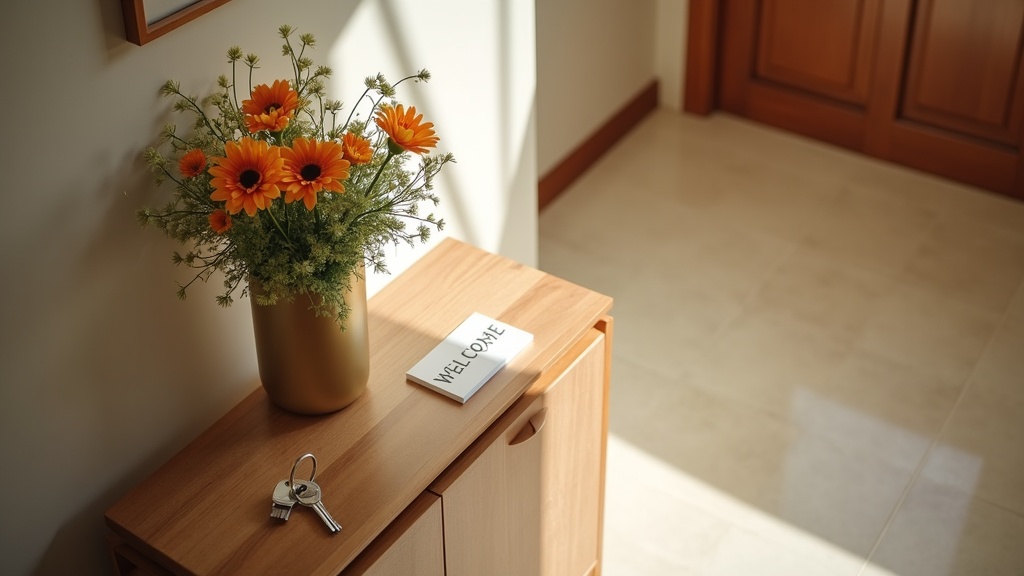
A beautifully designed printed booklet on the coffee table is genuinely lovely, and some guests still prefer paper.
Downsides: it is costly to keep current (every WiFi change is a reprint), there are no upsells, and guests can't read it before they arrive. A practical approach is to pair the two: printed for ambience, with a QR code to a digital guide for anything that changes.
6. Notion or Google Docs Link (Best DIY Free)
Create a Notion page or Google Doc with all your information, make it viewable by link and send that link to guests. It is free, editable and easy to share.
Downsides: it looks like a document, not a guide. There are no upsells, the layout isn't designed for a phone, and it can look unfinished next to a purpose-built guide.
Why the Digital Guidebook Wins for Most Hosts
Three reasons:
- Money back. Built-in paid extras can cover the subscription. Depending on what you charge, a single late checkout can pay for a year of Zugrow's guidebook.
- Time back. When the WiFi password, parking and checkout steps are already in the guide, guests have fewer reasons to message you with the same questions.
- Better stays. Clear information on arrival means fewer wrong turns and fewer surprises, which is what good reviews are built on.
From our own portfolio: across the roughly 24 Manchester short lets we run, fast replies and clear check-in information on the day earn us the most 5-star reviews. Our guests use lockboxes, and we send the code on arrival day. That is our setup, one example among many. Whatever format you choose, make the check-in information the clearest part of it.
Get your digital guidebook from £2.95/month →
The Pragmatic Pick
If you want an AI-built guide with paid extras at the lowest cost, Zugrow at £2.95 a month (billed annually) costs less than the other paid subscription here.
If you want the most established brand, Touch Stay is the safe choice, at a higher price than Zugrow for a single property on its paid plans.
If your budget is genuinely zero and you'll do the work yourself, use Airbnb's own house manual and guidebook, or a Canva PDF template.
Sources, checked October 2026: Airbnb Help Centre on house manuals and guidebooks, Touch Stay pricing (its blog), Canva welcome book templates, and Zugrow's terms for Zugrow's own prices and fees.