

Your listing is fully booked half the month while a nearly identical property three doors down is earning double. Same location, same layout, same price. The difference? They've spotted the gaps you've missed.
Finding what's quietly costing you bookings is the single most valuable thing you can do for your Airbnb revenue. Not guessing, not copying, but systematically identifying the gaps between your listing and the properties that are out-earning you. This guide shows you exactly how to find those hidden opportunities and turn them into bookings.
What Are Airbnb Listing Gaps (And Why They Matter More Than Price)
Listing gaps are the differences between what your property offers and what your best-performing competitors provide. They're not just missing amenities. They're the specific, bookable advantages that make travellers choose one listing over another at the same price point.
A gap isn't a flaw. It's a missed opportunity. Your competitor has a coffee maker listed, you don't. Both properties have kettles, but only theirs appears when a guest filters by 'coffee facilities'. That's a gap. Your photos show an unmade bed and harsh overhead lighting. Theirs show a styled bed, soft lamps, and a welcoming corner chair. Same bedroom, different conversion rate. Another gap.
Price matters, but gaps matter more. Hosts obsess over nightly rates while ignoring the fact that their listing doesn't show up in half the searches it should. Fixing a single amenity gap can put you in front of thousands more travellers without dropping your price by a penny.
The 4 Types of Listing Gaps Revenue Opportunities That Actually Move the Needle
Not all gaps cost you the same amount of revenue. Some are invisible to guests but catastrophic for your search ranking. Others are obvious in your photos but easy to fix. Here's how to prioritise.
1. Amenity Filter Gaps (The Silent Booking Killer)
These are the amenities you actually have but haven't ticked in your listing settings, or the ones you could add for under £50 that unlock entire traveller segments.
Why they matter: Airbnb's search filters are binary. A guest clicks 'Free parking' and every listing without that box ticked vanishes. You might have a dedicated parking space, but if you didn't select it as an amenity, you're invisible to that search.
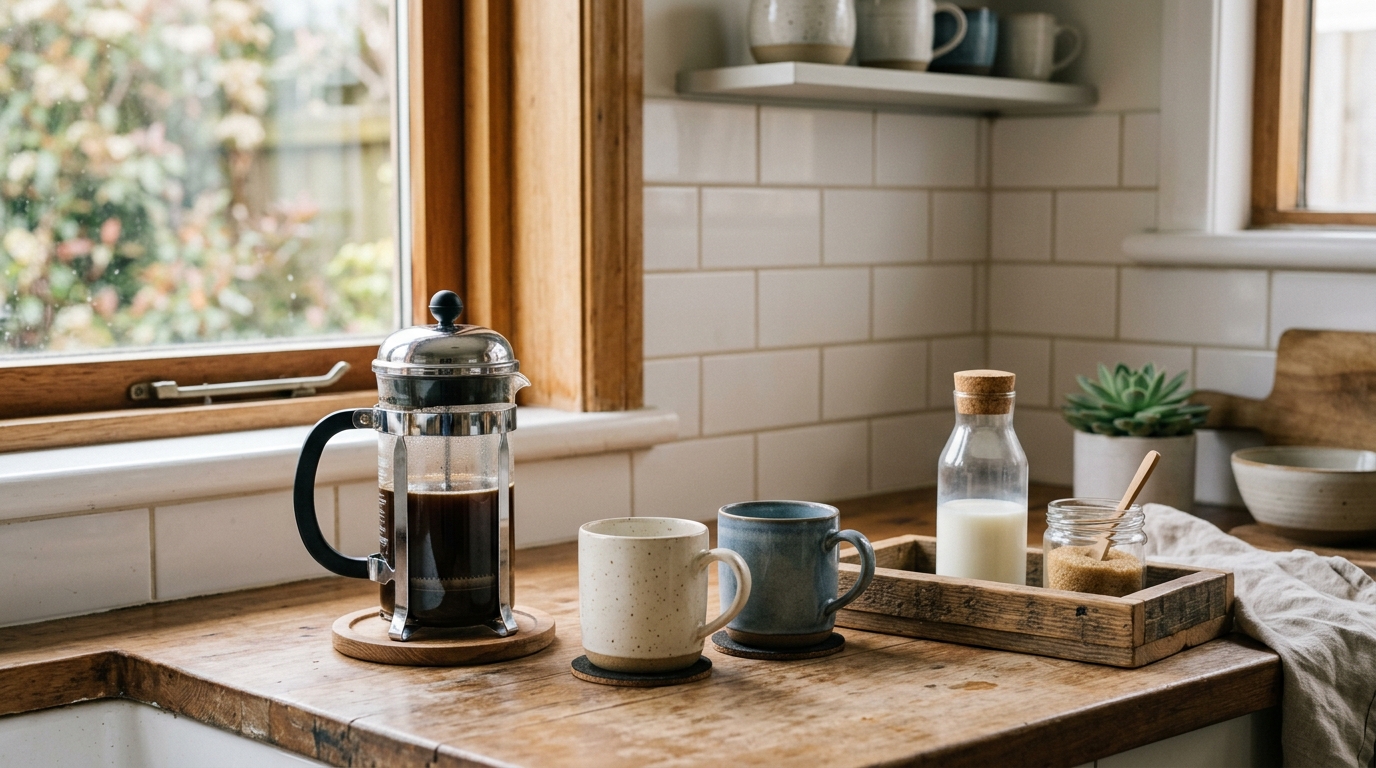
Common filter gaps: coffee maker (a £12 cafetière counts), workspace (a desk and chair), self check-in (a keypad costs £40), dedicated parking, iron, hairdryer, TV streaming services.
The fix: Audit your amenity list against your top three local competitors. Look for patterns. If all three list 'Coffee maker' and you don't, that's a filter gap worth closing immediately. Remember, Airbnb counts a basic French press as a coffee maker, so you don't need an expensive machine to appear in those filtered searches.
2. Photo Quality and Storytelling Gaps
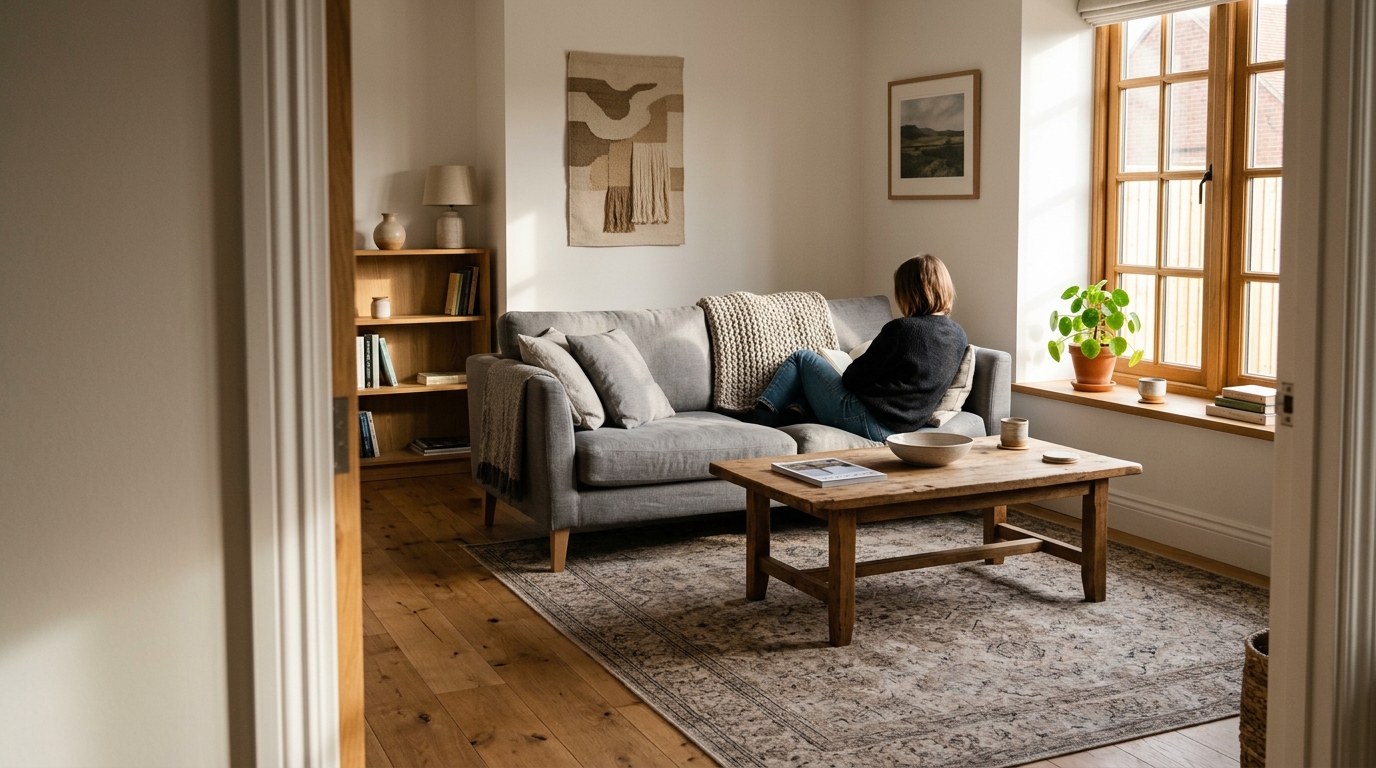
Your hero image is a wide-angle shot of an empty lounge with the curtains half-drawn. Your competitor's hero is a beautifully styled living room at golden hour, with plump cushions, a coffee table book, and a throw casually draped over the sofa arm. Same room, different story. Different click-through rate.
Photo gaps show up in three ways: lighting (harsh vs soft and natural), styling (empty vs lived-in and welcoming), and storytelling (random shots vs a visual tour that helps the guest imagine their stay).
Walk through your competitor's photo gallery and note what they show that you don't. Do they have a close-up of the coffee station? A shot of the workspace from the chair? A styled bathroom countertop with fresh towels and toiletries? These aren't luxuries. They're proof points that answer unspoken guest questions before they're asked.
If you'd like an assessment of your listing with specific suggestions to improve, Zugrow's free listing score shows you exactly where you stand, including a photo score and prioritised fixes.
3. Description and Keyword Gaps
Airbnb's search algorithm reads your title and description. If a traveller searches 'pet friendly flat near station' and your title says 'Cosy 1-Bed in Hackney', you won't rank, even if your listing is pet-friendly and 200 metres from the Overground.
Description gaps are the words and phrases your competitors use that you don't. They're calling out 'fast fibre WiFi' and 'dedicated workspace' in the first line. You've buried '50Mbps broadband' in paragraph four. They've written '2-min walk to Tube' in the title. You've said 'great transport links' in the description.
Open five competitor listings that rank above you and copy their titles into a document. Look for repeated phrases: 'free parking', 'balcony', 'king bed', 'contactless check-in'. If three out of five mention something you also have but haven't highlighted, that's a keyword gap.
For a deeper look at how competitor analysis reveals these gaps, read our guide on how to outperform other hosts.
4. Pricing Strategy Gaps (Not What You Think)
This isn't about charging more or less. It's about pricing structure. Your nightly rate is flat all week. Your competitor charges 15% more Friday to Sunday and undercuts you Monday to Wednesday. Over a month, they've filled their weekday gaps and earned a premium on peak nights. You've left money on the table at both ends.
Pricing gaps show up as: lack of weekend uplift, no weekly or monthly discounts, static pricing that doesn't respond to local events, and failure to adjust for shoulder seasons.
Check competitor calendars. Are they blocked out (booked) on weeknights at a lower rate than weekends? That's dynamic pricing. If your rate is the same every night and you're still getting weekend bookings but struggling midweek, you have a structural gap.
How to Find Airbnb Listing Gaps: The Competitor Analysis Checklist
You can't fix a gap you haven't identified. Here's the step-by-step process to systematically uncover what's costing you bookings.
Step 1: Identify Your True Competitors
Don't compare yourself to every listing in your city. Your real competitors are the properties a guest will shortlist alongside yours: same location (within 1km), same property type (flat, house, studio), same guest capacity, similar price band (within 20%).
Search Airbnb as a guest for your area with your property's specs (number of bedrooms, number of guests). The top ten results on page one are your competitive set. If your listing doesn't appear in that top ten, these are the properties currently out-ranking you.
Step 2: Build a Gap Analysis Spreadsheet
Create a simple table. Column one: amenity or feature. Columns two to six: you and four top competitors. Row by row, tick what each listing offers.
What to compare:
- Amenities (parking, workspace, coffee maker, hairdryer, iron, streaming TV, self check-in)
- Photo count and hero image subject
- Title structure and keywords used
- Description length and first-line hook
- Review count and rating
- Response rate and Superhost status
- Minimum stay and cancellation policy
- Pricing structure (flat vs dynamic, weekend uplift, discounts offered)
Any row where three or more competitors tick 'yes' and you tick 'no' is a potential gap. Prioritise the ones that are cheapest and fastest to close.
Step 3: Read Competitor Reviews for Hidden Gaps
Reviews tell you what guests actually value. Open your top competitors' five-star reviews and search for repeated praise. 'The coffee machine was amazing.' 'Loved the welcome pack.' 'Check-in was so easy with the keypad.' 'The workspace was perfect for my laptop.'
These are the things that turn a booking into a five-star review. If competitors are being praised for something you don't offer, that's a revenue gap.
Now read your own reviews. Are guests asking questions you didn't answer in the listing? Mentioning something was 'fine' when competitors' guests say it was 'excellent'? That's a gap in expectations vs reality.
Our article on finding hidden revenue gaps walks through this process with worked examples you can apply to your own listing today.
Step 4: Compare Search Visibility and Ranking Position
Log out of Airbnb and search for your property type in your area as a guest would (e.g. '2-bed flat in Camden, 4 guests, next weekend'). Where does your listing appear? Page one, position three? Page two, position fifteen? Not on the first three pages at all?
The listings ranked above you have something Airbnb's algorithm values more than yours. It might be amenities, reviews, pricing, or Superhost status. But it's always something measurable.
Write down the position of your listing and your top five competitors. This is your baseline. Every gap you close should move your ranking up. If it doesn't, you've closed the wrong gap or the fix wasn't implemented correctly.
Not sure how you compare? Get your free Airbnb performance score and see how your listing stacks up against local competitors, with specific ranking factors analysed.
Turning Gaps Into Revenue: The Priority Framework
You've found twenty gaps. You can't fix them all this week. Here's how to prioritise for maximum revenue impact with minimum effort.
High Impact, Low Effort (Do These First)
Amenity ticks you missed: You have a hairdryer, iron, and coffee maker, but you never selected them in your amenity settings. Fix this in five minutes. Immediate filter visibility boost.
Title rewrite: Add your three strongest search keywords to the first 32 characters of your title (what shows on mobile search results). Takes ten minutes. Can double your click-through rate.
Hero photo swap: Your current hero is a boring exterior shot. You have a beautiful styled living room photo at position seven. Move it to position one. Two clicks. Immediate conversion lift.
High Impact, Medium Effort (Do These Next)
Add a £40 keypad for self check-in: Unlocks the 'Self check-in' filter, appeals to late arrivals and early departures, and reduces your coordination workload. One-hour install. Pays for itself in two bookings.
Buy a £15 cafetière and tick 'Coffee maker': Appears in coffee facility searches, mentioned in reviews, costs less than one night's revenue. Game-changer for business travellers.
Restyle and reshoot five key photos: Bedroom, living room, kitchen, bathroom, and a lifestyle detail shot (coffee station, welcome tray, workspace). One afternoon with a smartphone and basic styling. Transforms your listing's perceived value.
High Impact, High Effort (Plan These for Next Month)
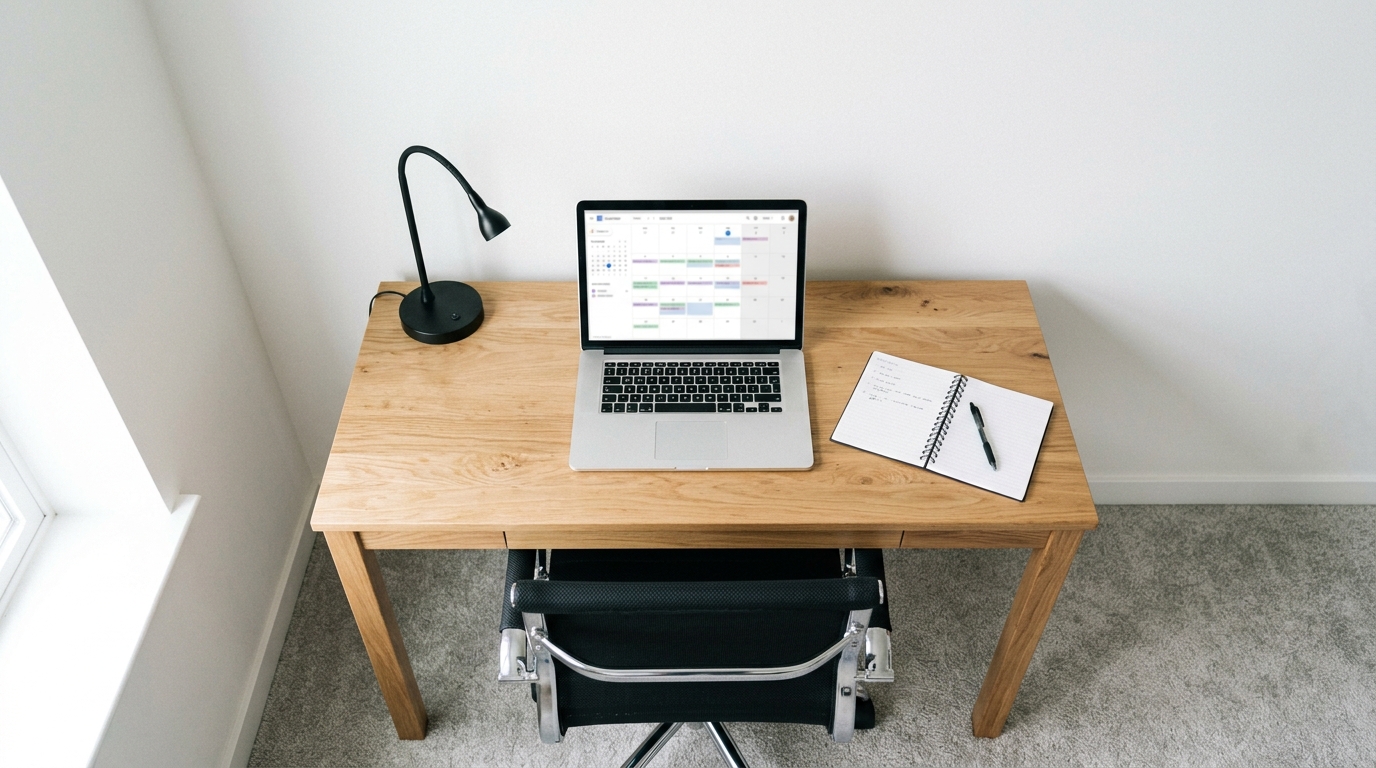
Add a dedicated workspace: A desk, chair, and lamp in a quiet corner. Unlocks the workspace filter, attracts digital nomads and business travellers, justifies a rate increase. Half a day and £100-200 if buying new.
Implement dynamic pricing: Weekend uplift, midweek discounts, event-based adjustments. Requires research, testing, and ongoing management, but can increase monthly revenue by 10-20% without changing a single amenity.
Rewrite your entire description: Structure it like your competitors' top performers: hook in the first line, amenities as bullet points, local highlights with distances, clear house rules. Takes two hours. Increases booking conversion for every click you earn.
For location-specific insights, our London market gap analysis shows how hosts in the capital are using competitor research to find and exploit these opportunities.
The 7-Day Listing Gap Fix Plan
Here's a practical week-by-week roadmap to close your most critical gaps without overwhelming yourself.
Day 1: Identify your five closest competitors using the search method above. Bookmark their listings.
Day 2: Build your gap analysis spreadsheet. Compare amenities, photos, title, and pricing structure. Highlight every gap where three or more competitors have something you don't.
Day 3: Fix all the amenity ticks you missed (things you already have but didn't select). Update your title with your top three keywords front-loaded. These are zero-cost, five-minute fixes.
Day 4: Read your competitors' last twenty reviews and your own last twenty. Note repeated praise and recurring complaints. Identify one thing you can add or improve based on guest feedback patterns.
Day 5: Order the one or two low-cost physical items that will close your biggest filter gaps (cafetière, keypad, workspace lamp, whatever your analysis revealed).
Day 6: Audit your photos against your top competitor's gallery. Restyle and reshoot your weakest three photos, focusing on lighting, decluttering, and showing the space as a guest will experience it.
Day 7: Update your listing with new photos and any new amenities that arrived. Check your search ranking position again as a guest. You should see movement within 48 hours.
Want a professional eye on your listing? Zugrow analyses your title, photos, pricing, and amenities for free. No obligation, just actionable insights you can implement immediately.
Common Listing Gap Mistakes (And How to Avoid Them)
Mistake 1: Copying competitors instead of learning from them. Your competitor has a hot tub. You're in a second-floor flat. Don't add a hot tub. Learn the principle: they're offering a unique experience feature. What can you offer that's appropriate for your property type? A balcony setup, a record player, a curated bookshelf?
Mistake 2: Focusing only on what's missing, not what's wrong. Sometimes the gap isn't a missing amenity. It's a misleading photo, a buried selling point, or a title that doesn't match what guests are searching for. Audit what you already have before adding more.
Mistake 3: Closing gaps that don't matter to your guest profile. Business travellers care about workspace and fast WiFi. Families care about travel cot and high chair. Leisure couples care about ambiance and local restaurants. Know who you're hosting and close the gaps that matter to them, not every gap you find.
Mistake 4: Changing everything at once. You won't know which fix moved the needle. Change one thing, wait a week, measure the result. Then change the next. Methodical beats chaotic every time.
For a structured approach to measuring what's working, our guide on the five numbers that explain why competitors out-earn you gives you the framework to track your progress.
How Zugrow Helps You Find and Fix Listing Gaps
Manual competitor analysis works, but it's slow and you'll miss things. Zugrow's AI-powered listing audit does the heavy lifting for you: it compares your listing against your local market, identifies specific gaps in your amenities, photos, title, and pricing, and gives you a prioritised action plan with exactly what to fix first.
You'll see which amenities you're missing that competitors have, which photos are costing you bookings, where your title is losing you search visibility, and how your pricing structure compares to properties that are out-earning you. Every insight is specific to your listing and your market, not generic advice. And to close the pricing gap for good, Zugrow's Autonomous Pricing agent sets your nightly prices on the paid plans (new hosts join a waitlist and are onboarded in waves), starting in Suggest mode so you approve each change.
Get your free listing score and see your gaps, your ranking factors, and your revenue opportunities in one report. It takes two minutes and shows you exactly where you're leaving money on the table.
What to Do After You've Closed Your Listing Gaps
Closing gaps isn't a one-time fix. Your competitors are improving their listings, new properties are launching, guest expectations are shifting, and Airbnb's algorithm is constantly evolving.
Set a monthly competitor check-in. First Monday of every month, search Airbnb as a guest and see where you rank. Open your top three competitors' listings and note any changes: new photos, new amenities, title rewrites, pricing adjustments. If they've added something that's working (you can tell by reading recent reviews), consider whether it's a gap worth closing for your property too.
Monitor your own listing performance. Track your search ranking position, your booking conversion rate (views to bookings), and your review themes. If your ranking drops or your conversion stalls after weeks of improvement, a new gap has likely opened or a competitor has leapfrogged you.
Test, measure, repeat. Every gap you close is a hypothesis. 'If I add a coffee maker and tick the amenity, I'll appear in more searches and get more bookings.' Update your listing, wait two weeks, and check the data. Did your views increase? Did your bookings? If yes, the gap mattered. If no, either the fix wasn't implemented correctly or it wasn't actually a gap for your guest segment.
This is how professional hosts operate: continuous small improvements based on competitive intelligence, not guesswork. It's the difference between a listing that earns what it should and one that quietly underperforms for years.
Frequently Asked Questions
How often should I analyse my competitors' Airbnb listings?
Once a month is ideal for most hosts. Set a recurring calendar reminder to search your area as a guest, check your ranking position, and review your top three competitors' listings for changes. If you're in a fast-moving market like central London or you've just made major updates, check fortnightly for the first two months to see if your changes are working.
What's the fastest listing gap to fix for immediate revenue impact?
Amenity ticks you've missed. If you already have a hairdryer, iron, coffee maker, or dedicated parking but didn't select them in your amenity settings, fix it today. It takes five minutes, costs nothing, and immediately makes your listing visible in filtered searches. The second-fastest fix is rewriting your title to front-load your top three search keywords.
Can I fix listing gaps without spending money?
Absolutely. Many of the highest-impact gaps are free to close: unticked amenities, poor hero photo choice, buried keywords, missing description sections, and incorrect categorisation. Audit what you already have before buying anything new. You'd be surprised how many bookings you're losing because of presentation, not facilities.
How do I know which competitor gaps actually matter to guests?
Read reviews. If three or more competitors are being praised in their five-star reviews for the same thing ('loved the coffee machine', 'the keypad made check-in so easy'), that gap matters. If it's mentioned once or not at all, it's probably nice-to-have but not a booking driver. Let guest feedback, not your assumptions, guide your priorities.
Do I need to match every amenity my competitors offer?
No. Some gaps aren't worth closing because they don't suit your property type, your guest profile, or your hosting style. A family-focused listing doesn't need a workspace. A studio flat can't add a second bedroom. Focus on the gaps that are realistic for your property and valuable to the guests you're trying to attract. Quality over quantity always wins.
How long does it take to see results after fixing listing gaps?
Airbnb's algorithm typically responds within 48-72 hours to listing changes, but booking impact can take one to three weeks depending on your market and the gap you've closed. Amenity and title changes often show faster results (more search visibility within days). Photo and description improvements take longer because they affect conversion, not ranking. Track your views, clicks, and bookings weekly to measure progress.
Conclusion: Your Listing Gaps Are Your Biggest Opportunity
Every booking you've lost to a competitor is a lesson in what your listing is missing. The gap might be a £12 cafetière, a rewritten title, or a hero photo that actually shows your space at its best. It might be a pricing structure that doesn't punish you for being available midweek, or a description that answers the questions guests are searching for.
The hosts who consistently out-earn their market aren't lucky. They're methodical. They know what their competitors offer, they know where their own listing falls short, and they close the gaps that matter most to the guests they want to attract.
You don't need to outspend your competitors. You need to out-think them. Start with the checklist in this guide, close your highest-impact gaps first, and measure the result. Then do it again next month.
Ready to see how your listing measures up? Get your free score at Zugrow and find out exactly which gaps are costing you bookings right now.