

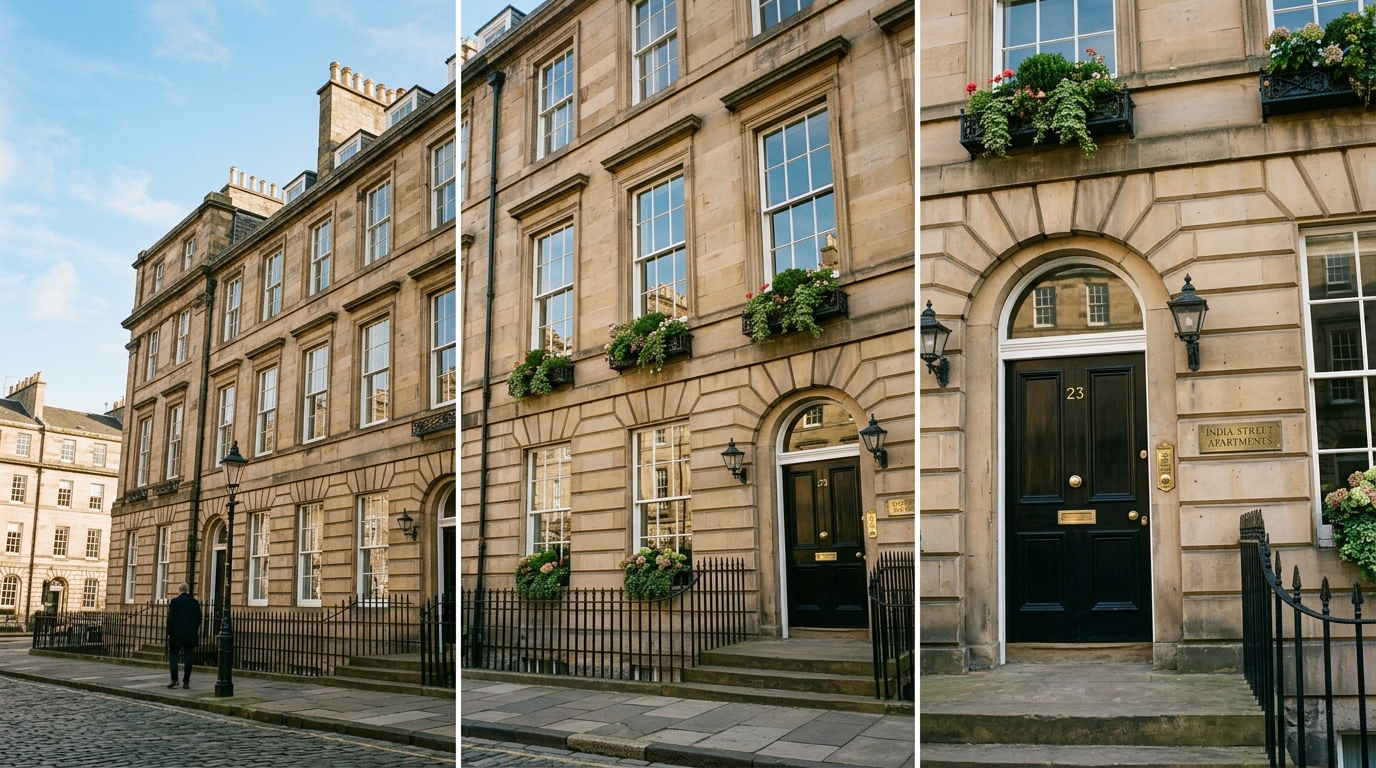
If you're hosting short-term lets in Edinburgh, the calendar has one date circled in red: 1 August 2026. After that, operating without a valid licence becomes illegal. The registration deadline isn't just another bureaucratic hurdle: it's the cut-off that will separate compliant hosts from those forced to delist. Here's everything you need to know about Edinburgh's short-term let licensing requirements, what you must do before August 2026, and how to make sure your application doesn't get rejected.
Why Edinburgh Has the UK's Strictest Short-Term Let Licensing Rules
Edinburgh introduced mandatory licensing for all short-term lets in 2022, becoming one of the first cities in the UK to regulate Airbnb and similar platforms at this scale. The system was designed to address overtourism, housing shortages, and anti-social behaviour in residential neighbourhoods. Unlike England, where short-term let regulations remain patchy and voluntary in many areas, Scotland has given local authorities the power to enforce mandatory licensing with criminal penalties for non-compliance.
The result: every host in Edinburgh operating a short-term let must hold a valid licence issued by the City of Edinburgh Council. No licence means no legal right to host, and platforms like Airbnb are expected to remove unlicensed properties from their search results once the grace period ends.
The 1 August 2026 deadline marks the end of the transitional window. Hosts who submitted applications before the original October 2022 deadline have been allowed to continue hosting while their applications are processed. But once August 2026 arrives, only properties with an approved, active licence will be permitted to accept bookings. For a detailed breakdown of how Edinburgh's licensing system works and what planning permission you might need, read our guide to Edinburgh Airbnb regulations.
What Counts as a Short-Term Let in Edinburgh?
Before you worry about the deadline, check whether your property actually needs a licence. Edinburgh Council defines a short-term let as any residential accommodation let for periods of less than six consecutive months to the same guest, where the property is not the guest's principal home.
This includes:
- Entire flats or houses listed on Airbnb, Vrbo, or Booking.com
- Private rooms in a property where the host does not live (known as 'secondary letting')
- Annexes, studios, or garden flats let separately from the main dwelling
- Properties used for home swaps if they involve any payment or reciprocal arrangement
Exemptions that do NOT require a licence:
- Letting a room in your primary residence while you live there (home sharing)
- Properties let exclusively for six months or longer (long-term tenancies)
- Accommodation provided for work purposes by an employer
- Certain religious or charitable uses
The home-sharing exemption is the most relevant for many hosts. If you live in the property and rent out a spare bedroom while you're there, you do not need a licence. But the moment you leave the property entirely to guests, even a single bedroom in your home becomes a licensable secondary let.
The Two Types of Licence You Need to Know About
Edinburgh issues two categories of short-term let licence, each with different requirements and fees.
Home Sharing Licence
Applies when you let out part of your main residence while you live there. Think of it as the Airbnb equivalent of taking in a lodger. You'll need to demonstrate that the property is your principal home and that you'll be present during guest stays. The application fee is lower, and the process is generally faster because the council treats home sharing as lower risk.
Secondary Letting Licence
Applies to any property you let out when you're not living there. This includes entire properties, annexes, and even a single room in a house you don't occupy. Secondary letting is more heavily scrutinised because it can reduce the local housing stock and attract noise complaints. You'll need planning permission in addition to your licence, and the council may refuse applications in areas where they believe there are already too many short-term lets.
Key point: if you switch from home sharing to secondary letting (for example, you move out of the property and continue to host), you must apply for a new licence category. Your existing home-sharing licence will not cover the change.
Airbnb Edinburgh License Requirements: What You Must Submit
The licensing application is detailed and document-heavy. The council won't accept incomplete submissions, and missing evidence is the most common reason for delays and rejections. Here's what you'll need to provide.
Proof of Ownership or Right to Let
You must prove you have the legal right to use the property as a short-term let. This means:
- Title deeds or Land Registry documents if you own the property
- A signed letter of consent from your landlord if you're a tenant (plus proof they own the property)
- If the property is leasehold, written consent from the freeholder or factor confirming short-term letting is permitted under the lease
Many hosts discover too late that their lease prohibits subletting or requires written permission. Check your tenancy agreement or lease title before you start the application.
Gas and Electrical Safety Certificates
Edinburgh requires all licensed properties to meet the same safety standards as private rental housing. You must supply:
- A valid gas safety certificate (if the property has gas appliances) issued within the last 12 months by a Gas Safe registered engineer
- An Electrical Installation Condition Report (EICR) issued within the last five years by a qualified electrician
- Portable Appliance Testing (PAT) certificates for plug-in appliances like kettles, toasters, hairdryers, and lamps
These certificates must be renewed and kept up to date for the entire duration of your licence. If your EICR expires before your licence does, you must submit a new one to the council or risk having your licence suspended.
Fire and Carbon Monoxide Safety
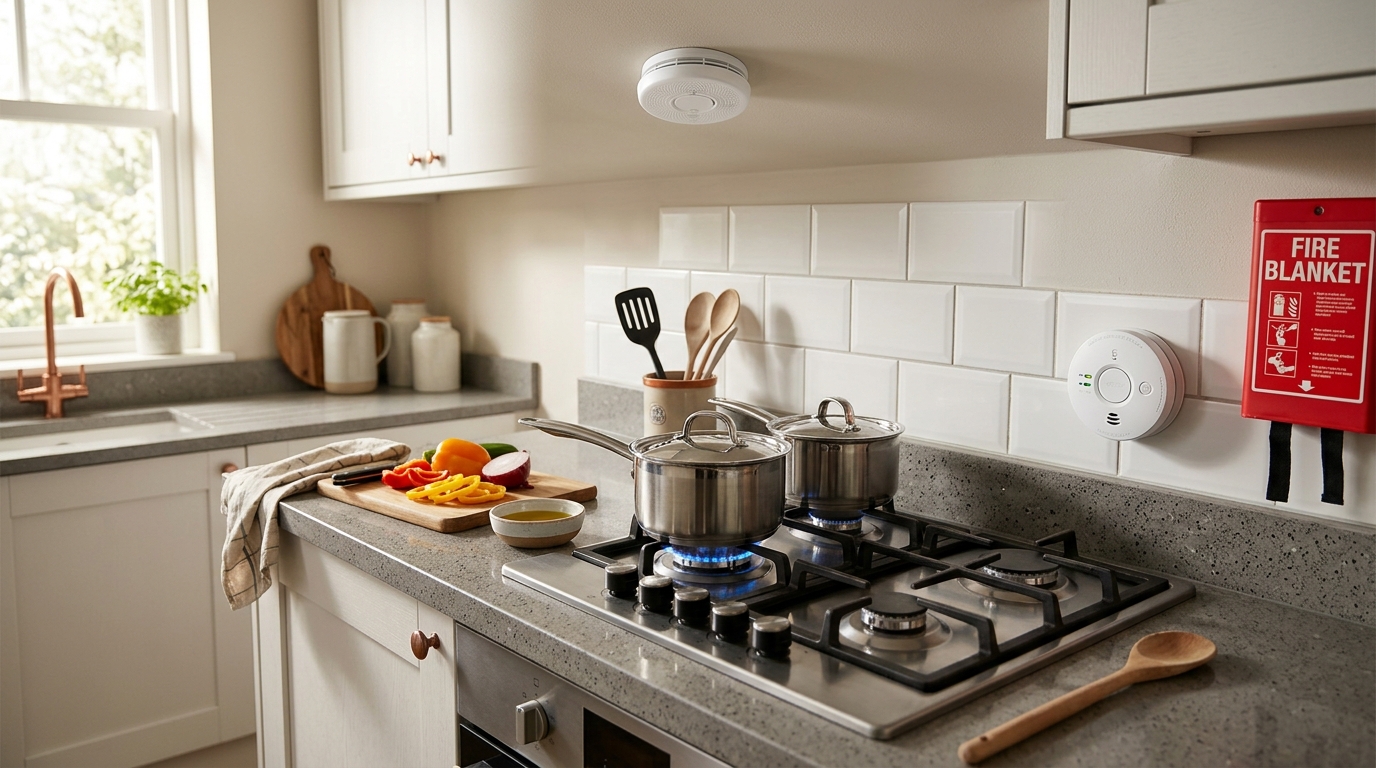
Every licensed short-term let must have:
- A working smoke alarm on each floor of the property
- A carbon monoxide detector in any room with a fixed combustion appliance (boiler, gas fire, wood burner)
- A fire blanket in the kitchen
- Clear, unobstructed escape routes from every room
For larger properties or conversions, you may need a full fire risk assessment carried out by a competent professional. The council will tell you if this applies to your property.
Planning Permission (Secondary Letting Only)
If you're applying for a secondary letting licence, you must also apply for planning permission to change the use of the property from residential dwelling to short-term let. This is a separate process with its own fees, timescales, and public consultation period. The council can refuse planning permission even if your property meets all the licensing safety requirements.
Planning permission is not required for home sharing, because you're still using the property as your main home.
Insurance
You'll need to provide proof of valid insurance that covers short-term letting. Standard home insurance policies almost never cover commercial guest activity, damage by paying guests, or public liability. If your insurer doesn't know you're hosting, your policy may be void. For more on what standard policies won't cover, see our article on Airbnb insurance gaps.
How Much Does an Edinburgh Short-Term Let Licence Cost?
Application fees are set by the council and are non-refundable, even if your application is refused. Expect to pay:
- Around £389 for a home-sharing licence (valid for three years)
- Around £1,324 for a secondary letting licence (valid for three years)
If you're applying for planning permission as well, add another £401 to the total. These are the council's published fees as of early 2025 and may be revised before August 2026.
Hidden costs to budget for:
- EICR: £150 to £250 depending on property size
- Gas safety certificate: £60 to £100
- PAT testing: £3 to £5 per appliance
- Insurance uplift: £200 to £500 per year for specialist short-term let cover
- Professional help with the application if you're not confident handling it yourself
The total upfront cost for a secondary letting licence, including certificates and planning permission, can easily exceed £2,000. Budget accordingly.
The August 2026 Deadline: What Happens If You Miss It?
After 1 August 2026, operating a short-term let in Edinburgh without a valid licence will be a criminal offence. The council has the power to:
- Issue improvement notices requiring you to stop hosting immediately
- Prosecute hosts, leading to fines of up to £2,500
- Share lists of unlicensed properties with platforms like Airbnb, triggering automatic delisting
Airbnb has already confirmed it will work with councils to remove unlicensed listings once the grace period ends. If your licence application is still pending on 1 August 2026, you may be allowed to continue hosting temporarily, but only if you applied before the original October 2022 deadline and your application is genuinely still in the queue. New applications submitted after that deadline will not benefit from any transitional arrangement.
Bottom line: if you haven't started your application yet, start now. Processing times are unpredictable, and the council has warned it will not extend the deadline again.
How to Apply for Your Edinburgh Short-Term Let Licence
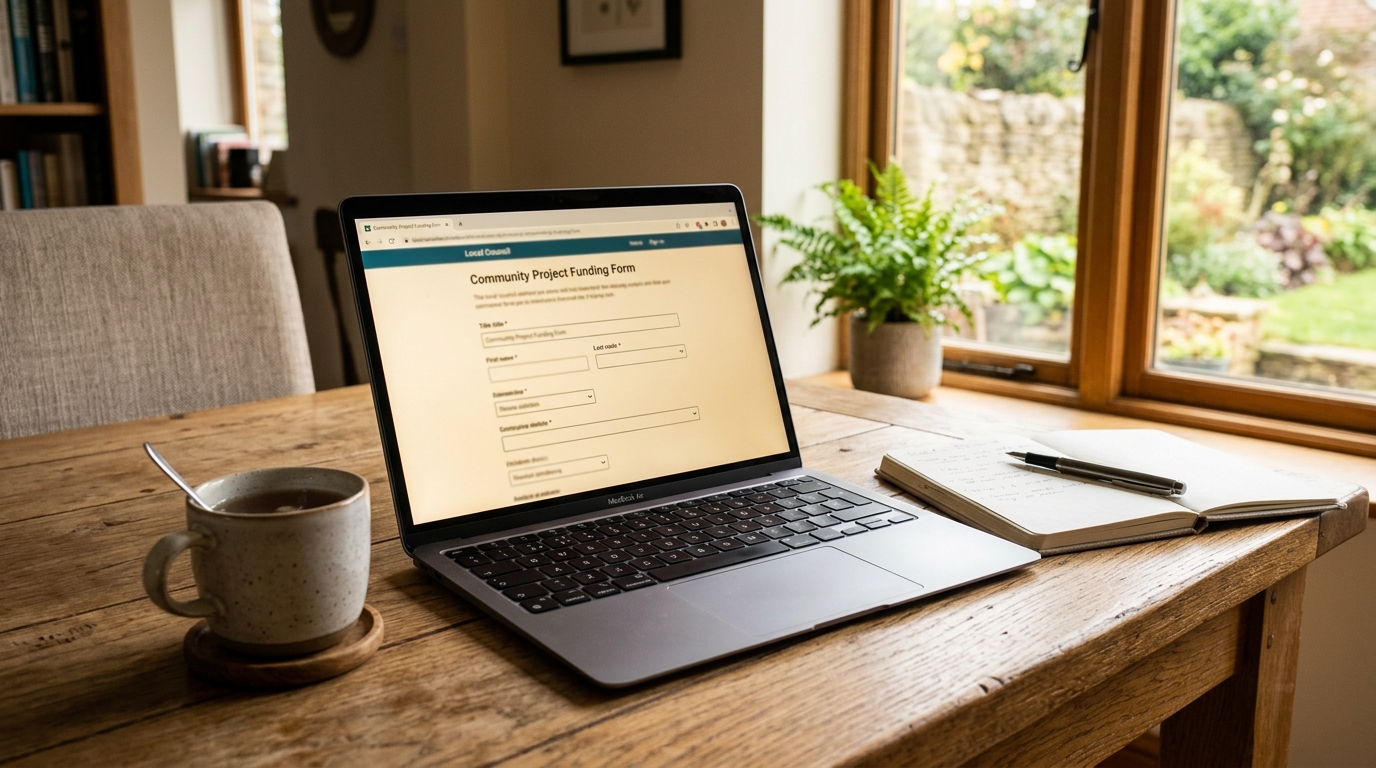
Applications must be submitted online through the City of Edinburgh Council licensing portal. The process is not quick, and you should allow at least three to six months from start to finish.
Step 1: Gather Your Evidence
Before you start the online form, collect all the certificates, permissions, and proofs listed above. Scan them as PDFs. The portal will ask you to upload them as you go, and you can't save a draft indefinitely.
Step 2: Complete the Online Application
The form asks for details about the property, your ownership or tenancy status, the type of licence you're applying for, and how you'll manage the property. Be specific. If you're using a co-host or property manager, you'll need to name them and confirm they have the right to act on your behalf.
Step 3: Pay the Fee
Once the form is complete, you'll be prompted to pay by debit or credit card. Keep the payment confirmation: it's your proof of submission date if there's a dispute later.
Step 4: Wait for the Council's Decision
The council has up to 12 months to process your application, though many are resolved faster. They may contact you to request additional evidence or clarification. Respond promptly. Delays at this stage can push your approval beyond the August 2026 deadline.
Step 5: Display Your Licence Number
Once approved, you'll receive a licence number. You must display this number clearly on every online listing for the property. Platforms like Airbnb have a dedicated field for licence numbers in the listing editor. Failure to display your number is a breach of your licence conditions.
If you're new to hosting in Edinburgh and want a full timeline from application to first booking, our guide to starting an Airbnb in Edinburgh walks through the entire process step by step.
Common Reasons Edinburgh Licence Applications Are Refused
The council can refuse your application if it believes granting a licence would be inconsistent with local planning policy, cause harm to the community, or create a nuisance. The most common refusal reasons include:
- Lack of planning permission: applying for a secondary letting licence without securing planning consent first is an automatic refusal.
- Overprovision: in areas where the council believes there are already too many short-term lets, new secondary letting applications may be refused to protect the availability of long-term housing.
- Neighbour objections: if neighbours submit complaints about noise, anti-social behaviour, or loss of community character, the council will consider these as part of its decision.
- Incomplete or incorrect documentation: missing certificates, expired EICRs, or unsigned consent letters will delay or derail your application.
- Lease restrictions: if your lease prohibits subletting and you can't get written consent from the freeholder, your application will fail.
If your application is refused, you have the right to appeal to the local licensing board. Appeals can take months and may require legal representation, so it's far better to get the application right first time.
What Happens After You're Licensed?
Holding a licence is not a one-off event. You have ongoing responsibilities for the entire three-year licence period.
Renew Your Safety Certificates
Gas certificates expire after 12 months, and you must arrange a new inspection before the old one runs out. EICRs last five years, but if yours expires during your licence period, you'll need a fresh report. Keep copies on file and submit them to the council when asked.
Notify the Council of Changes
If you change your contact details, sell the property, appoint a new property manager, or alter the layout of the property, you must notify the council within 28 days. Failure to do so can result in your licence being suspended or revoked.
Maintain Guest Records
The council can request proof of your bookings, guest numbers, and occupancy patterns as part of compliance checks. Keep a log of bookings, including guest names and dates. Airbnb's booking history will usually suffice, but export and save it regularly in case the platform changes its data retention policy.
Prepare for Inspections
The council has the right to inspect your property at any time during the licence period, with reasonable notice. Inspectors will check that safety equipment is in place, escape routes are clear, and the property matches the description in your application. Make sure your property is always compliant, not just at the point of application.
How Edinburgh's Licensing Affects Your Airbnb Performance
Licensing doesn't just change what you're allowed to do. It also affects how your listing performs in search, what guests expect, and how platforms treat your property.
Guest trust: listings that display a valid licence number signal to guests that the property is legal, inspected, and insured. In a city where unlicensed properties will soon be delisted, having a visible licence becomes a competitive advantage.
Platform ranking: Airbnb and other platforms are likely to prioritise licensed listings in search results as the deadline approaches, especially if unlicensed properties start being removed. If you haven't added your licence number to your listing yet, do it today.
Compliance costs: the upfront and ongoing costs of licensing eat into your revenue, especially for smaller properties. Hosts who don't account for these costs when setting their nightly rates may find their margins squeezed. If you're unsure whether your pricing still makes sense after licensing fees, Zugrow's free listing score includes a pricing analysis that shows how your rate compares to similar licensed properties in your area.
Scottish Airbnb Licensing Beyond Edinburgh
Edinburgh is not the only Scottish council enforcing short-term let licensing. Glasgow, the Highlands, Argyll and Bute, and several other local authorities have introduced their own schemes, each with different deadlines, fees, and application processes. The underlying legislation is the same across Scotland, but the details vary by council.
If you host in multiple Scottish cities, you'll need a separate licence for each property, issued by the relevant local authority. You cannot transfer an Edinburgh licence to a Glasgow property, even if they're both secondary lets.
For hosts operating across the wider UK, the regulatory landscape is fragmented. England has no national licensing system, though some councils are introducing selective schemes. Wales is expected to launch a registration system in the coming years. For an overview of how short-term let rules work across the UK, read our UK Airbnb regulations guide.
What to Do If You're Not Ready for August 2026
If the deadline feels too close and you're not confident you can meet the requirements in time, you have three realistic options.
Option 1: Apply Now and Hope for Processing Delays
If you submit a complete application before the deadline, you may be allowed to continue hosting while the council processes it, even if approval takes longer than expected. This is not guaranteed, and the council has made clear that incomplete or speculative applications will be rejected.
Option 2: Switch to Long-Term Letting
If licensing costs and compliance feel unmanageable, consider converting your property to a long-term rental. You won't need a licence, planning permission, or PAT testing, and you'll have predictable monthly income without the guest turnover. The downside is lower revenue potential compared to a well-optimised short-term let.
Option 3: Sell or Exit the Market
Some hosts, especially those with small secondary lets in overprovision areas, have decided the licensing system makes short-term letting unviable. If your property won't meet planning permission criteria or the upfront costs exceed your annual profit, selling may be the rational choice.
Whatever you decide, don't ignore the deadline. Operating illegally after 1 August 2026 carries real financial and legal risk, and platforms will remove your listing anyway.
How Zugrow Helps You Stay Compliant and Competitive
Licensing is only half the battle. Once you're legal, you still need guests to find and book your property. That means your listing has to work harder than ever: clear photos, competitive pricing, a title that ranks in search, and a description that converts browsers into bookings.
The problem is, most hosts don't know where their listing is weak. You might be losing bookings to a badly cropped hero photo, an overpriced weekend rate, or a title that's invisible in Airbnb's search algorithm. Zugrow's free Airbnb listing score analyses your title, description, photos, pricing, and amenities, then gives you a performance score with specific suggestions to improve. It takes two minutes and shows you exactly what's holding your listing back.
If you're juggling licensing, safety certificates, and trying to keep your occupancy up, Zugrow takes listing optimisation off your plate. No guesswork, no generic advice, just data-driven recommendations tailored to your property and your local market.
Preparing for the Deadline: A 60-Day Action Plan
If you haven't started your application yet, here's a realistic timeline to get everything done before 1 August 2026.
Days 1 to 7: Evidence Gathering
- Order your EICR and gas safety certificate
- Book PAT testing for all plug-in appliances
- Contact your landlord or freeholder for written consent (if applicable)
- Check your lease for subletting restrictions
- Confirm your home insurance covers short-term letting or arrange specialist cover
Days 8 to 14: Planning Permission (Secondary Letting Only)
- Submit your planning application to the council
- Pay the planning fee
- Monitor the council website for neighbour comments during the consultation period
Days 15 to 30: Complete the Licence Application
- Log in to the council licensing portal
- Complete the online form, uploading all certificates and permissions
- Double-check every field before submission
- Pay the licence fee and save the confirmation email
Days 31 to 60: Follow Up and Finalise
- Respond promptly to any council queries or requests for additional evidence
- Install smoke alarms, carbon monoxide detectors, and fire blankets if not already in place
- Add your licence number to your Airbnb listing as soon as it's issued
- Update your listing photos and description to reflect any changes made during the compliance process
Sixty days is tight, but achievable if you start immediately and don't wait for certificates to arrive before booking the next task.
After Licensing: Don't Let Your Listing Performance Slip
Getting licensed is a major milestone, but it doesn't guarantee bookings. In a market where every property must meet the same safety and legal standards, your listing quality becomes the differentiator. Guests will choose the property with better photos, clearer amenities, and smarter pricing, not just the one with a licence number.
That's where Zugrow comes in. Once you're compliant, run your listing through Zugrow's free performance score to see how you compare to other licensed properties nearby. You'll get a breakdown of what's working, what's costing you bookings, and what to fix first. No subscription, no sales call, just actionable insights you can act on today.
Frequently Asked Questions
Do I need a licence if I only host a few times a year?
Yes. Edinburgh's licensing rules apply to all short-term lets regardless of how often you host. Even occasional hosting requires a valid licence if the property is let for periods shorter than six months and is not the guest's main home. The only exemption is home sharing, where you let a room in your own home while you live there.
Can I keep hosting while my licence application is being processed?
If you submitted your application before the original October 2022 deadline, you can continue hosting during the transitional period while the council processes your application. However, if you're applying now for the first time, you should not start hosting until your licence is approved. Operating without a licence after 1 August 2026 is illegal, even if your application is pending.
What happens if I don't display my licence number on my Airbnb listing?
Failing to display your licence number is a breach of your licence conditions and can result in enforcement action by the council, including suspension or revocation of your licence. Airbnb also requires licence numbers to be displayed where local law mandates them, and may hide or remove listings that don't comply.
Can I appeal if my Edinburgh short-term let licence is refused?
Yes. If the council refuses your application, you have the right to appeal to the local licensing board within 21 days of the refusal notice. You'll need to set out your grounds for appeal in writing and may need to attend a hearing. Legal representation is advisable, especially if the refusal is based on planning policy or neighbour objections.
Do I need separate licences for each property if I host multiple short-term lets in Edinburgh?
Yes. Each property requires its own licence. If you operate three separate short-term lets, you'll need three licences, each with its own application, fee, and set of safety certificates. You cannot use one licence to cover multiple properties, even if they're in the same building or managed by the same host.
How does Edinburgh licensing affect my tax obligations as an Airbnb host?
Licensing and tax are separate obligations. Holding a licence does not change your duty to declare short-term letting income to HMRC and complete a Self-Assessment tax return if your earnings exceed the trading allowance. For more on how Airbnb income is taxed and what you need to report, see our guide to UK Airbnb tax returns.
Final Thoughts: Don't Wait Until the Last Minute
The 1 August 2026 deadline is not a suggestion. It's a hard cut-off, backed by criminal penalties and platform delisting. If you're hosting in Edinburgh and you don't yet have a valid licence, the time to act is now. Gather your certificates, check your lease, submit your application, and budget for the costs.
Once you're licensed, the next challenge is making sure your listing earns its keep. Ready to see how your listing measures up? Get your free Airbnb performance score at Zugrow and discover exactly what's holding your bookings back.