

How long should your Airbnb description be? Some UK hosts write endless paragraphs; others write three lines that say nothing useful. Airbnb does not publish an ideal word count, and there is no reliable public data linking a particular length to more bookings. What does matter is that your opening lines sell the stay and the rest of the description answers the questions guests actually ask. This guide shows how to get the length and structure right.
What Is the Optimal Airbnb Description Length for UK Listings?
There is no official number. Airbnb's own advice is to keep it brief, because guests often scan descriptions for key features, and to lead with what is most important.
Airbnb also splits your description into sections: the main listing description, then Your property, Guest access, Interaction with guests and Other details to note. The main description is the short pitch. The other sections carry the practical detail.
Our rule of thumb is a punchy opening of a few sentences, then enough in the other sections to answer the questions guests ask before they book. For most homes that comes to somewhere around 250 to 500 words in total. Treat that as a guide, not a rule Airbnb applies. A city flat with tricky parking needs more words than a cottage where the view does the talking.
The key isn't hitting a word target, it's information density. Every sentence should tell guests something they want to know about the property, the practicalities or the area.
How Does Description Word Count Impact Booking Conversion Rates?
Word count on its own is not what converts. Airbnb says a comprehensive listing description helps guests evaluate the listing and gives them the confidence to book. In practice, a description that is too thin leaves guests with unanswered questions about parking, check-in or the neighbourhood, and one that is too long buries those answers.
The right amount varies by property and guest. City centre flats benefit from detail on transport links and the neighbourhood, while rural retreats can lean on atmosphere and outdoor activities and say less.
The descriptions that work best use their words on the things guests decide on: the space, the location, the amenities that matter, the house rules and what makes the place different.
If you'd like an assessment of your listing, Zugrow's free listing score rates it out of 100, with a red, amber or green verdict for your title, description, photos, amenities, trust and competitive positioning.
What Should You Include in Your Airbnb Description Structure?
An effective Airbnb description puts information in the order guests need it. Start with your strongest selling point, whether that's location, a standout feature or an amenity guests are searching for.
Essential Elements (Your Opening)
- Hook: Lead with your property's most compelling feature
- Space overview: Bedrooms, bathrooms and how many guests it sleeps
- Location highlight: Distance to key attractions or transport
- Top amenities: Two or three features that set your property apart
Supporting Details (The Other Sections)
- Your property: A brief description of each room and space
- Guest access: Which parts of the property guests can use, and anything shared
- Practical information: Parking, Wi-Fi and how check-in works
- Other details to note: Anything guests should know that isn't covered elsewhere, such as stairs, noise or the walk to the centre
Airbnb advises against repeating information that appears elsewhere in your listing, such as your full amenities list, so use the description to explain and sell rather than to copy.
From our own portfolio: across our Manchester short lets, guests check in with a lockbox and we send the code on the day they arrive. Fast replies and clear check-in information on the day are what earn us the most 5-star reviews. That is what works for our homes rather than the only way to do it, but whatever your setup, make the check-in method clear in the description so guests know what to expect.
For detailed guidance on writing descriptions that turn browsers into bookers, read our Airbnb description writing guide with templates and examples.
Do Longer Descriptions Rank Better in Airbnb Search Results?
There is no evidence that Airbnb rewards length for its own sake. Airbnb says search placement depends on listing quality, popularity, price and location, and that listing details such as photos, reviews, cancellation terms and amenities feed into quality. A comprehensive description is part of that picture because it helps guests feel confident to book.
A description that answers guests' questions tends to help indirectly. It can:
- Mention the location details guests care about
- Reassure guests about practicalities, so fewer drop off with unanswered questions
- Set accurate expectations, which supports better reviews
- Lead to more bookings, and Airbnb says more popular listings tend to rank higher
Search filters work from the amenities you tick in your listing, not from the words in your description, so mentioning a dishwasher or free parking in the text is not enough on its own. Tick every amenity you offer, then use the description to sell the few that matter most.
Why Relevant Detail Still Helps
Well-structured descriptions explain who the property suits, whether that's business travellers, families or a couple on a city break, without stuffing in keywords. That helps the right guests recognise the listing is for them.
Our complete UK listing optimisation guide explains how your description works alongside your title, photos and pricing.
How Do You Optimise Description Length for Mobile Users?
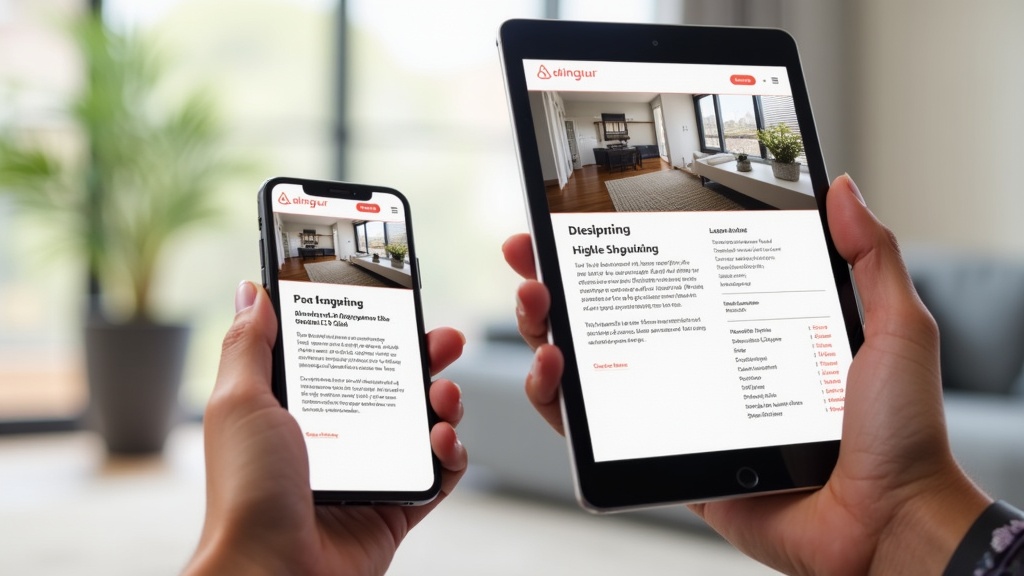
Guests only see the opening of your description before they tap to read more, so put the most important information first.
Use short paragraphs and line breaks, and list key features one per line rather than in a dense block of text. Scannable text reads better on a phone, whatever the total word count.
Mobile-First Description Strategy
- Lead paragraph: Two or three sentences with your key selling points
- Short lists: Break amenities and features into one line each
- Short sentences: Easy to read on a small screen
- Spacing: Line breaks between topics so the text doesn't feel crowded
Your opening has to make guests want to read on and book, because many will never open the rest.
What Description Length Mistakes Are UK Hosts Making?
The most common problems are descriptions that say far too much or far too little.
Over-Detailed Descriptions
Some hosts believe more information always means more bookings and write descriptions that overwhelm guests. These typically include:
- Long histories of the neighbourhood
- Detailed appliance specifications
- Step-by-step directions that belong in your check-in message or guidebook
- The same feature repeated in several places
Under-Informative Descriptions
Others give too little detail, leaving guests with unanswered questions that send them to listings that explain more.
The best approach balances thoroughness with brevity. Focus on what guests need to make a booking decision rather than what you think sounds impressive.
Want a second opinion on your listing? Zugrow's free listing score checks your title, description, photos, amenities, trust and competitive positioning, with no obligation.
How Should You Test and Refine Your Description Length?
Improving your description is an ongoing process. Make a change, watch your figures and listen to guest feedback.
Key Metrics to Monitor
Airbnb's Insights (Performance, then Conversion) shows how guests move from search to booking. You need to opt in to Airbnb's professional hosting tools to see this tab.
- Search-to-listing conversion: How often guests who see you in search click through to your listing
- Listing-to-booking conversion: How often guests who view your listing go on to book
- Views: How many times your listing has been viewed over a set period
- Guest questions: Common queries that suggest missing information
Review your description when the seasons change, as guest priorities shift. Summer guests may care most about outdoor space, while winter guests look for heating and cosy interiors.
Testing Your Description
Airbnb has no built-in A/B test, so change one thing at a time. Try a tighter version that focuses on the essentials, or a fuller one with more neighbourhood and amenity detail, and compare your listing-to-booking conversion over the following four to six weeks. Allow for seasonal changes in demand when you compare.
Note which details guests ask about or praise in reviews. That feedback tells you what to add, cut or move higher up.
For other listing elements that work alongside your description, see our advice on photo optimisation strategies and title writing best practices.
Does Description Length Vary by UK Property Type?
Different property types need different amounts of detail, depending on what guests need to know to decide.
City Centre Apartments
Urban properties benefit from detail on transport, the neighbourhood and local amenities. Guests on business trips or city breaks want the logistics spelled out, so these descriptions often run longer.
Rural Retreats
Country properties should focus on atmosphere, outdoor activities and peace and quiet rather than exhaustive area guides. Guests want to escape, not navigate.
Seaside Properties
Coastal listings need beach access details, seasonal information and things to do. Balance the practical information with the feeling of a seaside break.
Think about your typical guest. Business travellers want efficiency and convenience details, while leisure guests respond to what they will experience and discover.
Knowing how your listing performs overall helps you decide where to focus. Get your free Airbnb performance score and see which areas of your listing need attention.
Frequently Asked Questions
What's the minimum word count for an effective Airbnb description?
There isn't one. Aim to answer the questions guests ask before booking: the space, who it sleeps, the location, parking, check-in and anything unusual. If guests keep asking about something, it belongs in your description.
Can my Airbnb description be too long?
Yes. Airbnb's own advice is to keep it brief because guests scan for key features. Keep the opening short and put the practical detail in the right sections rather than in one long block.
How often should I update my description length and content?
Review it every few months, after guest feedback that points to missing information, and whenever you change the property. Seasonal updates help reflect what guests care about at different times of year.
Does Airbnb's algorithm prefer longer descriptions?
Airbnb ranks listings on quality, popularity, price and location, not word count. A comprehensive, accurate description helps guests feel confident to book, which supports the factors Airbnb does use.
Should I include amenities in my description word count?
Mention the amenities that set your property apart, but don't list everything. Guests can see your full amenities list separately, and Airbnb advises against duplicating it.
How do I know if my description length is optimal?
Watch your listing-to-booking conversion in Airbnb Insights and the questions guests send before booking. If guests often ask about things you could have covered, expand your description in those areas.
Getting your Airbnb description right is one part of a well-optimised listing, alongside your title, photos, pricing and amenities. Ready to see how your listing measures up? Get your free score at Zugrow and see what is holding back your bookings.
Sources: Airbnb Resource Centre: writing an effective listing description, Airbnb Help Centre: how search results work, Airbnb Help Centre: understanding your conversion metrics.