

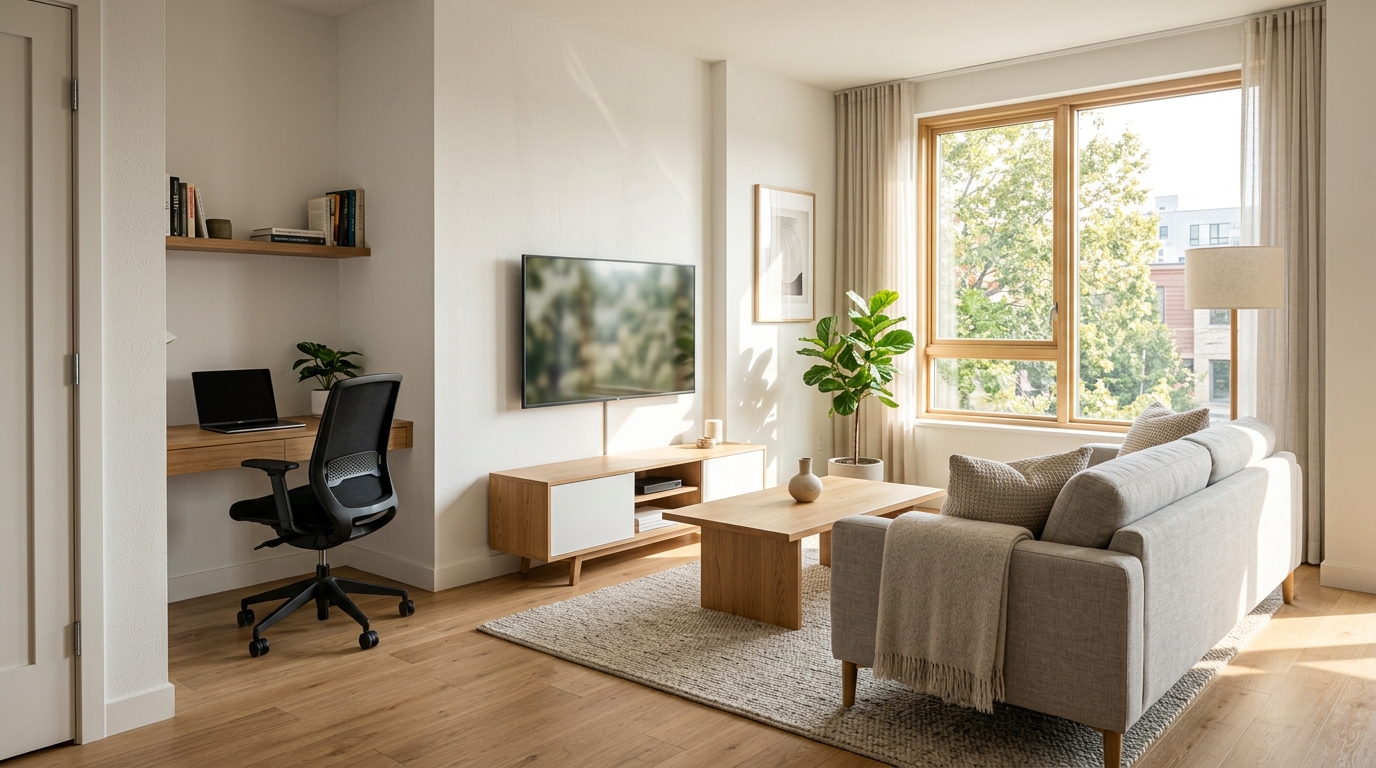
You're priced the same as the flat next door, but it's booked solid and you're struggling to fill weeknights. You scroll through their listing, hunting for the magic trick, and that's when it hits you: parking, workspace, dishwasher, smart TV. Four amenities you don't have. Four filters you've just dropped out of.
This is the amenity-parity blind spot. Hosts compare their nightly rate to competitors without checking whether their property can justify it. The result? You're either undercut by better-equipped rivals charging the same, or you're overcharging for a feature set that doesn't match the local baseline. Either way, you lose bookings.
In this article, we'll walk you through the seven-point parity check that reveals whether your amenities justify your price, how to spot the features that drive the most search traffic, and what to do when you realise you're asking premium money for a mid-tier offering. If you've ever wondered why a listing with fewer reviews and worse photos still outperforms you, the answer is usually sitting in the amenities checklist.
What Is Airbnb Competitor Amenity Analysis?
Airbnb competitor amenity analysis is the process of systematically comparing your listing's features and facilities against similar properties in your area to identify gaps that cost you bookings. It reveals when you're charging a premium price without the amenities guests filter for, or when you're underselling a property that actually has more to offer than your competitors.
Most hosts focus on title, photos and pricing when they benchmark themselves. But if a guest searches for 'Manchester apartment with parking', your beautifully written description and professionally styled flat don't matter if you haven't ticked the 'Free parking' amenity. You've filtered yourself out before the guest even sees your listing.
Amenity benchmarking isn't about ticking every box on Airbnb's checklist. It's about ensuring the features you charge for match what guests in your category expect, and that you're not invisibly losing traffic to competitors who offer one or two high-value amenities you're missing.
Why Competitors Undercut You: The Real Mechanism
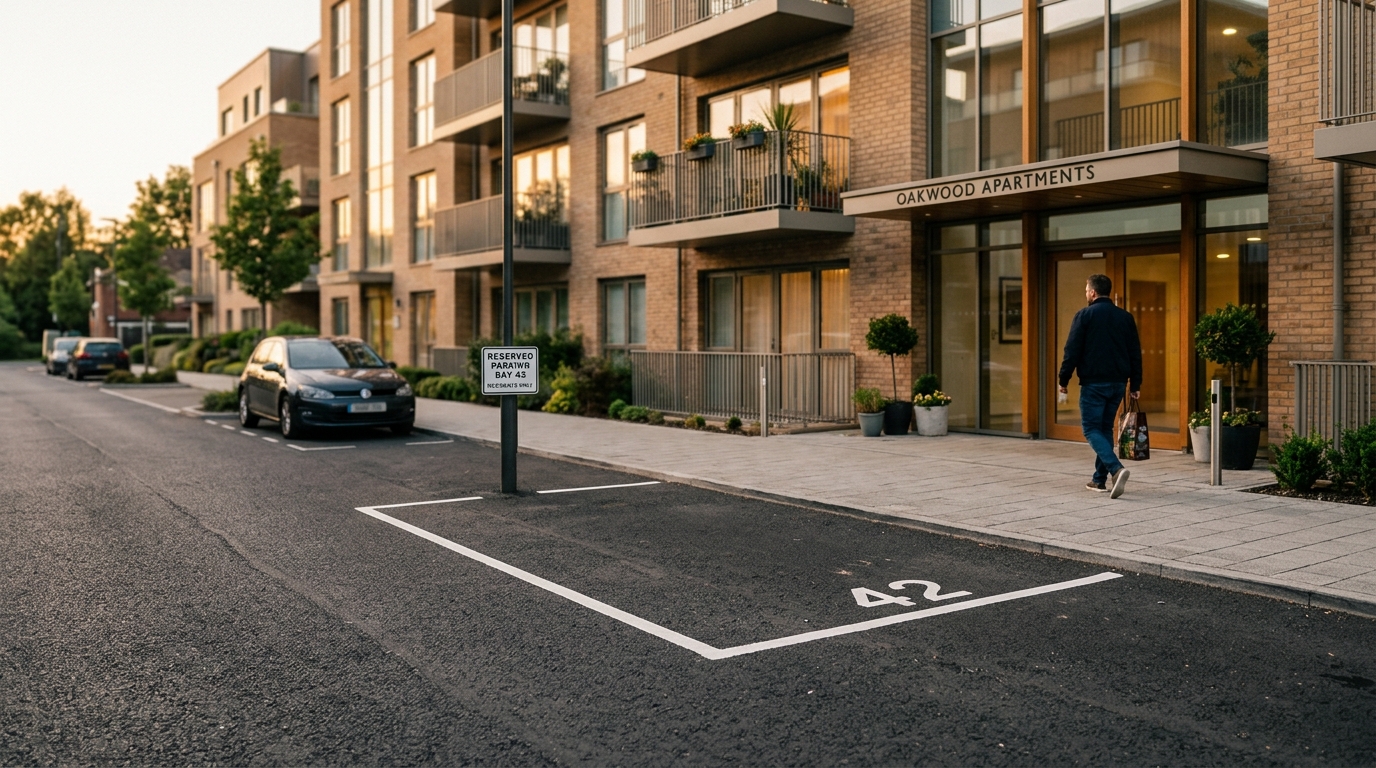
Here's the dynamic most hosts miss. A competitor charges the same nightly rate as you, but their listing includes parking, a coffee maker, and a dedicated workspace. When a business traveller filters for 'workspace' and 'free parking', they see that listing. They don't see yours.
Your competitor doesn't need better photos or a higher rating. They've made themselves visible to a segment of demand you're locked out of. The traveller books, leaves a five-star review mentioning the convenient parking, and Airbnb's algorithm rewards the listing with higher placement. Meanwhile, you're wondering why your occupancy dropped.
This isn't undercutting in the traditional sense. It's structural advantage. The competitor has unlocked search traffic you can't access, which means they can maintain or even raise their price while you're tempted to drop yours to stay competitive. If you cut your rate without fixing the amenity gap, you've just made the problem worse: now you're cheaper and less visible.
The fix isn't always to add every missing amenity. Sometimes it's to lower your price to match what you're actually offering. Other times, it's to add one or two high-impact features that instantly expand your addressable demand. The seven-point parity check tells you which.
The Seven-Point Amenity Parity Check
This is the systematic review that reveals whether your pricing is justified by your feature set. Work through each step with your own listing and three comparable competitors open in tabs beside you.
1. Parking (The Highest-Value Filter in Most UK Markets)
Search your city and property type on Airbnb, then apply the 'Free parking on premises' filter. How many results drop out? If half the listings disappear and yours is one of them, you've just found the single biggest reason you're losing bookings.
Parking is especially critical in cities with controlled parking zones, and it's one of the few amenities that justifies a £10-15 nightly premium in many UK markets. If you charge the same as a competitor with parking but you don't have it, you're overpriced. If you do have parking and you're not ticking the box or highlighting it in your title, you're invisible to the guests who value it most.
Action: If you have any form of designated parking (driveway, allocated bay, garage, permit), tick the amenity and mention it in your title. If you don't, check whether competitors with parking are charging more. If they're not, your baseline rate may need to come down to reflect what you're actually offering. For a deeper breakdown of how competitors price around high-value amenities, see our guide on Airbnb competitor analysis UK metrics.
2. Workspace (The Business-Traveller Gateway)
A dedicated workspace unlocks an entire segment: remote workers, freelancers, business travellers, and anyone searching for 'work from home' accommodation. The amenity requires a table or desk, a chair, and a power socket nearby. If you have that setup, tick it. If you don't, don't invent it (Airbnb's definition is specific and guest expectations are high).
Check your competitors. If two out of three have workspace listed and you don't, you're competing for leisure-only demand while they're open to both. That's a structural disadvantage. If you charge a weeknight rate aimed at business travellers, you'd better have the workspace to back it up.
Action: If you have a desk and chair, tick 'Dedicated workspace' and add a clear photo of it in your first five images. If you don't, consider adding an inexpensive desk (a wall-mounted fold-down desk costs £40-60 and qualifies), or adjust your pricing to reflect leisure-focused positioning.
3. WiFi Speed (The Expectation Creep Nobody Warns You About)
You listed WiFi five years ago and assumed you were covered. But guest expectations have changed. Remote workers now filter for listings with fast, reliable broadband, and many will message you before booking to ask for speed test results. If your connection is under 30 Mbps download, you're at risk of poor reviews or refund requests from disappointed business guests.
Run a speed test at speedtest.net and check the download figure. Then look at your competitors' descriptions. Are they calling out 'high-speed fibre' or '100 Mbps'? If so, and you're not, you're being outcompeted on an amenity that's now table stakes for most property types.
Action: If your WiFi is fast (60 Mbps+), mention the speed in your description. If it's slow, upgrade your broadband package or reposition your listing away from business travellers. You can't charge a premium rate for remote work if your connection can't handle a Zoom call.
4. Kitchen Equipment (The Dishwasher and Coffee Maker Divide)
Two amenities dominate kitchen-related filters: dishwasher and coffee maker. Both are binary (you either have them or you don't), and both unlock specific guest segments. Families and longer-stay guests filter for dishwashers because they're cooking most meals. Coffee drinkers (a surprisingly large segment) filter for coffee makers because they want their morning ritual.
The good news: a £15 cafetière counts as a 'Coffee maker' on Airbnb's checklist. You don't need an expensive espresso machine. The bad news: if you don't tick it, you're invisible to everyone who filters for it.
Action: If you have a dishwasher, tick it and photograph it (sounds obvious, but many hosts forget). If you don't have a coffee maker, buy a cafetière, tick the box, and watch your filtered search visibility expand. If you're targeting families but you don't have a dishwasher, either add one or price below competitors who do.
5. Entertainment (The Smart TV and Streaming Divide)
Standard televisions are table stakes. Smart TVs with Netflix, iPlayer and streaming apps are the new baseline, especially for properties targeting couples and families. If your competitors all list 'TV with Netflix' and you have a basic Freeview box, you're offering a noticeably weaker experience for the same price.
Check your competitors' descriptions. Count how many mention streaming services. If most do and you don't, you've found an easy upgrade.
Action: A £200 smart TV with built-in apps instantly closes this gap. If budget is tight, a £30 Amazon Fire Stick plugged into your existing TV achieves the same result. Once installed, update your amenities and add 'Smart TV with Netflix' to your description.
6. Laundry (The Long-Stay and Family Filter)
Washing machine access is critical for stays longer than three nights, and it's one of the most-filtered amenities for family bookings. If your competitors have in-unit laundry and you're sending guests to a laundrette, you're locked out of a major demand segment.
This one is harder to fix (you either have space for a washing machine or you don't), but it's worth knowing where you stand. If your competitors have it and you don't, you'll need to compensate elsewhere (lower price, better location, superior photos), or accept that you're targeting a narrower guest profile.
Action: If you have a washing machine, tick it and photograph it (especially if it's a washer-dryer, which is a separate high-value amenity). If you don't, avoid pricing at the top of your competitive set. Guests filtering for laundry are willing to pay a premium, but they won't even see your listing.
7. Property Type and Unique Features (The Tiebreakers)
Some amenities are category-specific. A garden or patio is a massive advantage for ground-floor and house listings, especially post-pandemic. A balcony is a premium feature for urban flats. A fireplace (even a decorative one) adds character and searchability for rural or period properties.
Check your competitors for unique features you're missing. If three nearby listings have outdoor space and you don't, that's a structural gap you can't fix, but it tells you that you need to compete on something else (price, location, interior style). Conversely, if you do have a standout feature your competitors lack, make sure it's ticked, photographed, and mentioned in your title.
Action: Review Airbnb's full amenities checklist and tick everything you have. Many hosts leave high-value boxes unticked simply because they didn't scroll far enough. If you have a feature your competitors don't (garden, balcony, ensuite, second bathroom), lead with it in your title and first photo.
How to Build Your Own Amenity Benchmarking Spreadsheet
The seven-point check is qualitative. To make it quantitative, build a simple comparison table. Open your listing and three comparable competitors (same property type, similar location and size, similar price band). Then list the high-value amenities down the left column and tick which properties have them.
Columns: Your listing, Competitor A, Competitor B, Competitor C.
Rows: Parking, Workspace, WiFi speed, Dishwasher, Coffee maker, Washing machine, Smart TV, Outdoor space, Extra bathroom, Any unique feature.
Add up the ticks. If your competitors average eight ticks and you have five, you're underequipped for your price point. If you have nine and they have six, you're either underpriced or underselling your advantages in your title and photos.
This spreadsheet becomes your pricing justification tool. When you're tempted to match a competitor's rate, check the amenity column first. If they have features you don't, matching their price is overcharging. If you have features they don't, you're leaving money on the table. For more on turning this data into a pricing strategy, see our post on tracking competitor pricing weekly.
What to Do When You're Overpriced for Your Feature Set

Sometimes the parity check reveals uncomfortable news: your nightly rate is higher than your amenities justify. Here's how to fix it without panicking.
Option one: add the missing amenities. If the gap is a £15 cafetière, a £40 desk, or a £30 streaming stick, the fix is cheap and fast. Install it, update your listing, and watch your filtered search visibility expand.
Option two: lower your base rate. If the amenity gap is structural (no parking, no laundry, no workspace) and you can't fix it, adjust your pricing to reflect what you're offering. A £5-10 nightly reduction can move you from 'overpriced and ignored' to 'good value and booked'. Track the impact on occupancy over four weeks.
Option three: compete on something else. If you can't add amenities or lower your price, lean into your differentiators. Better location, superior photos, faster response time, and standout reviews can offset a weaker feature set. But you need to be honest about what you're up against. For a detailed framework on finding and closing these competitive gaps, read our guide to identifying hidden revenue gaps through competitor analysis.
When You're Underpriced for What You Offer
The opposite problem is just as common. You've ticked all the high-value amenities, your photos are professional, and your reviews are strong, but you're charging the same as (or less than) competitors with fewer features.
This happens when hosts set their price once and never revisit it, or when they assume 'competitive pricing' means matching the lowest rate in their area. The parity check reveals when you have permission to charge more.
Action: Increase your base rate by £5-10 per night and monitor your inquiry rate for two weeks. If bookings hold steady, you've corrected an underpricing problem and you're now earning what your property is worth. If inquiries drop, roll back £3-5 and test again. The goal is to find the price ceiling your amenity set supports.
Make sure your title and description sell the high-value features you have that competitors don't. If you're the only listing in your comp set with parking and a workspace, say so in the first line of your description. Guests need to understand why you're worth the premium.
The Amenities That Rarely Justify a Premium (But Hosts Keep Adding Them)
Not every amenity unlocks demand. Some are nice-to-haves that rarely move the needle on pricing or occupancy. Here are the features that hosts overestimate:
Welcome baskets and toiletries. Guests appreciate them, but they don't filter for them and they don't justify a higher rate. Add them if you want to improve the experience, but don't expect a pricing advantage.
Luggage racks and hangers. Table stakes. Guests expect them, but offering them doesn't set you apart.
Books, games and DVDs. Low-value clutter unless you're targeting families with young children in a rural location. Most guests ignore them.
Decorative upgrades (cushions, throws, art). These improve your photos and guest perception, but they're not searchable amenities. Spend money here only after you've covered the high-value functional features.
The rule: invest in amenities guests filter for (parking, workspace, dishwasher, laundry) before you invest in amenities they mention in reviews (nice soap, comfy bed, pretty decor). The former drives bookings; the latter improves ratings.
How Zugrow's Competitor Analysis Automates This Process
Running a manual seven-point parity check every month is time-consuming. You need to open multiple listings, screenshot amenity lists, compare pricing, and track changes over time. That's why Zugrow's competitor analysis does it for you.
Zugrow compares your amenities, pricing, photos and listing optimisation against similar properties in your area and shows you exactly where you're outgunned and where you're underselling your advantages. You'll see which high-value features your competitors have that you're missing, and whether your current rate is justified by what you're offering.
The analysis highlights the quick wins (add a cafetière, tick the workspace box, mention parking in your title) and the structural gaps you need to price around (no laundry, no outdoor space, slower WiFi). It's the fastest way to find out whether you're losing bookings because of your title, your photos, or your amenity blind spot. Get your free Airbnb listing score and see where you stand in under two minutes.
Monthly Competitor Amenity Audits: Why You Need Them
Airbnb's amenity checklist changes. New filters get added (EV charger, air conditioning, lockbox) and guest expectations shift (what counted as 'fast WiFi' three years ago doesn't today). Your competitors also upgrade their properties, adding features that suddenly make your listing look dated.
Set a monthly calendar reminder to run the seven-point check. Open your listing and your three closest competitors. Scan their amenities and descriptions for anything new. Check whether they've added parking, upgraded their kitchen equipment, or installed smart home features. Then ask yourself: does my pricing still make sense?
This habit stops you from drifting into overpriced irrelevance. It also reveals when a competitor has dropped in quality (older photos, fewer amenities, slower response time), which creates an opportunity for you to raise your rate or highlight your advantages more aggressively. For a full walkthrough of what to track and when, see our pillar guide on how to outperform other hosts with structured competitor analysis.
Case Study: The Parking Blind Spot (A Worked Example You Can Check)
Let's walk through a real scenario you can verify on Airbnb. Search for one-bedroom flats in Salford Quays, Manchester, and apply the 'Free parking on premises' filter. You'll see the result count drop significantly.
Now open two comparable listings: one with parking, one without. Compare their nightly rates. In many cases, the listing without parking charges the same or even slightly more, relying on better photos or a higher review count to stay competitive. But here's the problem: the guest filtering for parking never sees the listing without it, no matter how good the photos are.
The host without parking is overpriced relative to their addressable market. They're competing for a smaller pool of demand (guests who don't care about parking), which means they need to either lower their rate or accept lower occupancy. The host with parking, meanwhile, can maintain or even raise their price because they've unlocked an additional demand segment willing to pay a premium.
This dynamic plays out across every high-value amenity: workspace, laundry, dishwasher, outdoor space. The parity check reveals when you're on the wrong side of it.
Frequently Asked Questions
How often should I benchmark my amenities against competitors?
Run a full seven-point parity check once a month, and repeat it whenever you're considering a price change or noticing a drop in bookings. Guest expectations and competitor offerings shift over time, so quarterly checks are the minimum to stay competitive. Set a calendar reminder and treat it like routine maintenance.
Which amenities have the biggest impact on bookings?
Parking, dedicated workspace, washing machine, and dishwasher are the highest-impact amenities in most UK markets because they unlock filtered search traffic and appeal to high-value guest segments (business travellers, families, longer stays). WiFi speed and smart TVs are table stakes: guests expect them, and lacking them costs you bookings even if they're not explicitly filtering for them.
What if my competitors have amenities I can't add?
If the amenity gap is structural (no parking bay, no space for a washing machine, no outdoor access), you need to compete on price, location, photos, or unique features instead. Lower your base rate to reflect the weaker feature set, or lean into differentiators like faster response times, superior interior design, or a better location. Honesty about what you're offering is key to sustainable pricing.
Should I lower my price if I'm missing one high-value amenity?
It depends on the amenity and your competitive set. If two out of three competitors have parking and you don't, a £5-10 nightly reduction is usually justified. If you're only missing one lower-impact feature (e.g. coffee maker), add it instead of dropping your price. Use the seven-point parity check to see how many gaps you have, then decide whether to fix them or price around them.
Can I charge more if I have amenities my competitors don't?
Yes, but only if those amenities are high-value and searchable. Parking, workspace, laundry, outdoor space, and extra bathrooms justify a premium because guests filter for them and they expand your addressable demand. Decorative upgrades, welcome gifts, and toiletries improve the guest experience but don't unlock new traffic, so they don't support a higher rate. Make sure your title and photos sell the premium features you have.
How do I know if my WiFi speed is competitive?
Run a speed test at your property using a free tool like Speedtest.net and note the download speed. Anything below 30 Mbps is too slow for remote work and risks poor reviews from business guests. If your competitors are advertising 'high-speed fibre' or '100 Mbps' and your connection is under 50 Mbps, upgrade your broadband package or reposition your listing away from business travellers. Fast WiFi is now a baseline expectation for most property types.
Conclusion: Justify Your Price or Fix the Gap
The amenity-parity blind spot is the silent killer of occupancy. You think you're competing on photos, title and price, but you've already lost the booking before the guest sees any of those things. They filtered for parking, workspace or laundry, and your listing didn't qualify.
The seven-point check forces you to confront whether your rate matches what you're offering. Sometimes the fix is a £15 cafetière or a £40 desk. Other times it's a painful but necessary price cut. Either way, you're finally competing on facts instead of assumptions.
Run the check this week. Open your listing and three competitors, tick the amenities, and count the gaps. Then decide: add the missing features, lower your rate, or double down on the differentiators you have. Whichever path you choose, you'll be pricing with your eyes open.
Ready to see how your listing measures up? Get your free Airbnb performance score at Zugrow and find out exactly where your amenities, pricing and optimisation stand against local competitors. It takes two minutes, and you'll walk away with a clear action plan.