

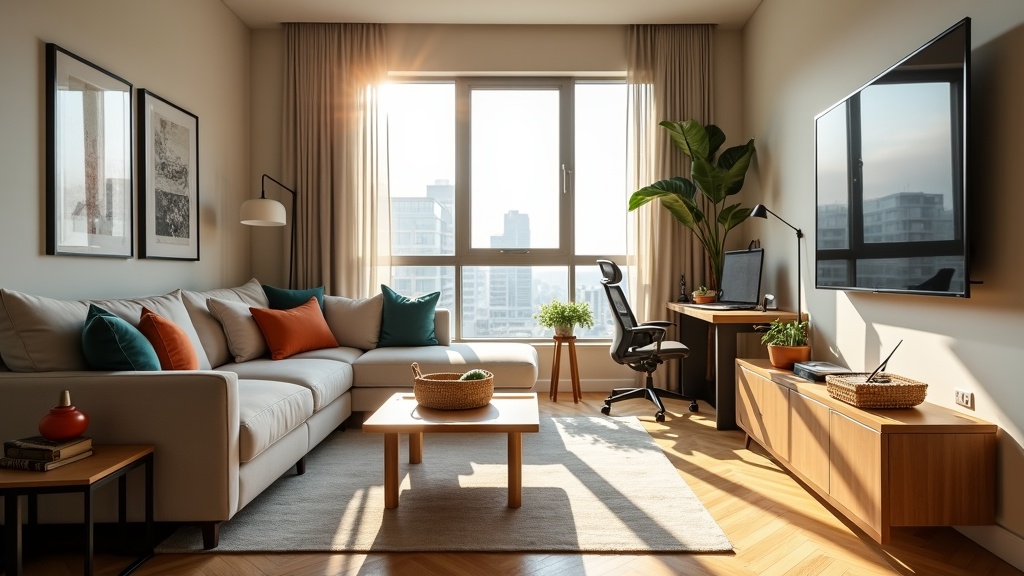
Creating the right Airbnb amenities checklist for 2026 isn't about cramming every possible feature into your property. It's about getting the essentials right, offering what guests in your area actually search for, and being honest about what you provide. The amenities you choose affect who finds your listing, what guests expect when they arrive and what they say in their reviews.
Great amenities only earn their keep when guests know how to use them. Pairing your amenities with a digital guidebook (covering how the coffee machine, heating or smart TV actually works) turns features into the smooth experience guests remember in their review.
This checklist uses Airbnb's own published data on what guests search for, plus the UK safety rules every host needs to know.
What Are the Most Essential Airbnb Amenities in 2026?
Start with the basics Airbnb itself recommends for a comfortable stay: toilet paper, hand and body soap, one towel per guest, one pillow per guest, and linen for each guest bed, with more for bigger groups and longer stays. Then build on that.
Connectivity and power: Reliable Wi-Fi throughout the property matters to almost every guest. Airbnb lets you run a Wi-Fi speed test in its app while you're at the property, and listings that test at 50 Mbps or above are highlighted as having fast wifi. Charging points near beds and seating areas help too, because guests travel with several devices.
Flexible spaces: A dedicated workspace with good lighting and a comfortable chair suits remote workers and business travellers. Even a studio can offer a defined work area.
Climate control: Heating guests can control themselves, plus fans for summer and extra blankets for winter, heads off complaints about temperature. Air conditioning or heating is one of the amenities guests search for most.
Kitchen essentials: A well-equipped kitchen saves guests money and gives them flexibility. Basics include a kettle, a way to make coffee, simple cookware, and plates, glasses and cutlery for your maximum guest count.
Which Amenities Do Guests Search for Most?
Airbnb has published the ten amenities guests searched for most often worldwide in 2025: pool, free parking, wifi, air conditioning or heating, kitchen, hot tub, washing machine or dryer, self check-in, TV, and BBQ grill. If you genuinely offer any of these, make sure they are listed.
Filtered searches: Guests who use Airbnb's filters only see listings that match. Each amenity you can honestly claim keeps you in more of those searches.
Experience-driven stays: Pools, hot tubs and BBQ grills all appear in that list, and they matter most for group stays and special occasions. Outdoor seating and garden space can make a stay memorable, which shows up in reviews.
Accessibility: Step-free access, wide doorways and accessible bathrooms matter a great deal to the guests who need them. Airbnb lets you add specific accessibility features to your listing, with photos, so guests can check the details before they book.
The key point: guests don't just book a property, they book the stay they have in mind, whether that's a weekend away, a family celebration or a work trip. Amenities that make that stay easy are the ones worth investing in.
How Do You Prioritise Amenities by Guest Type?
Match your amenity spending to the guests you mainly attract. Different travellers value different things, and trying to serve everyone can mean serving no one particularly well.
Business travellers: Fast Wi-Fi, a proper workspace, an iron and ironing board, flexible check-in, and good transport links. Reliability and convenience matter more to them than extras.
Families: Safety items (stair gates, socket covers), a high chair and cot, a washing machine, a dishwasher and outdoor space. Families often book further ahead and stay longer.
Couples: Comfortable bedding, dimmable lighting, proper wine glasses, a good bath or shower with toiletries, and privacy.
Remote workers and longer stays: Very reliable internet, a comfortable place to work, good natural light, and nearby cafés or co-working spaces. Weekly and monthly discounts can help attract longer stays.
Research your area's main guest types by looking at competitors and local demand. A Cotswolds cottage serves different needs from a Manchester city centre apartment. Zugrow's free listing analysis scores your amenities as one of six categories, alongside your competitive position against similar local listings.
What Kitchen Amenities Are Actually Necessary?
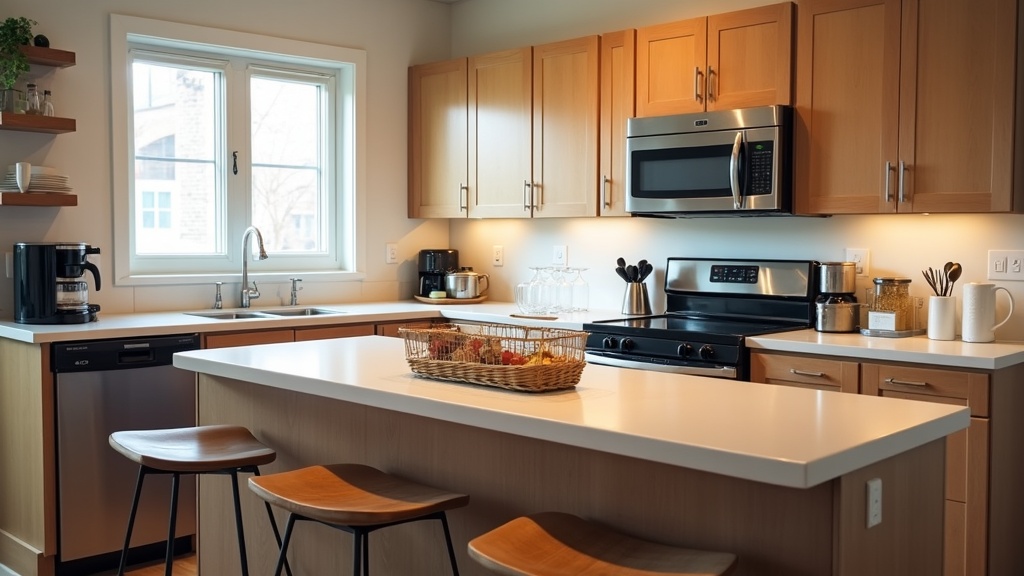
Kitchen expectations depend on the property and the length of stay, but some items matter everywhere. A kitchen is one of the ten amenities guests search for most.
Cooking equipment: A hob, an oven or microwave, a kettle, a toaster and basic cookware (a small and a large pan, a baking tray). Don't forget a tin opener, a sharp knife and a chopping board; missing basics are a common source of frustrated reviews.
Coffee: Airbnb lists "Coffee maker" as an amenity. If you provide a cafetière rather than a machine, say so in your description so guests know what to expect. Coffee, tea, sugar and milk make a welcome first morning.
Storage and cleaning: Enough fridge and freezer space (guests often arrive with shopping), a dishwasher for larger properties, washing up liquid, tea towels and bin bags. Cleaning supplies help guests on longer stays.
Dining: Crockery and glassware for your maximum occupancy plus a couple of spares, proper wine glasses, serving dishes and enough seats for everyone to eat together.
The golden rule: provide everything needed for the stays your property is designed for. A romantic cottage needs wine glasses and a table for two. A family property needs child-friendly items and easy-clean surfaces.
Which Technology Amenities Matter in 2026?
Technology amenities can make a stay easier, as long as they work reliably and are simple to use.
Connectivity: Wi-Fi must cope with several devices streaming at once. Test it at busy times of day, and use Airbnb's in-app speed test so guests can see the result on your listing.
TV and streaming: A TV is one of the most searched amenities. A smart TV with the main streaming apps gives guests choice, but streaming does not get you out of a TV licence. TV Licensing says holiday lets need a licence if guests can watch live TV on any channel or service, or use BBC iPlayer. Check TV Licensing's guidance for holiday accommodation to see which licence applies.
Power and charging: USB charging points or plugs near beds solve a common frustration. Make sure bedrooms and living areas have enough sockets that guests don't need extension leads.
Smart home features: Smart locks and keypads allow flexible check-in without a key handover. Smart thermostats let guests get comfortable while helping you manage energy costs. A digital guidebook gives guests local recommendations and house information on their own phone.
From our own portfolio: across the roughly 24 Manchester short lets we run, we use lockboxes for check-in and send guests the code on arrival day. That is just our setup, one option among many; smart locks and keypads work well for plenty of hosts.
Entertainment: Games consoles appeal to groups and younger guests. A Bluetooth speaker lets guests play their own music.
Technology should solve real guest problems rather than show off gadgets. A TV that works first time matters more than a smart device that confuses guests.
How Important Are Sustainable and Eco-Friendly Amenities?
Many guests appreciate a property that wastes less, and the same changes often cut your running costs.
Energy efficiency: LED lighting, efficient appliances and smart heating controls reduce bills. If you have solar panels or a renewable tariff, mention it.
Waste reduction: Recycling bins with clear instructions, refillable toiletry dispensers instead of single-use bottles, and reusable shopping bags.
Local products: A welcome pack featuring local producers supports nearby businesses and gives guests a taste of the area.
Water use: Water-saving showerheads and taps, dual-flush toilets, and an optional towel reuse request for longer stays reduce both environmental impact and utility costs.
Eco-friendly touches can cost more upfront, so prioritise the ones that also lower your running costs, and only claim what you actually provide.
What Outdoor Amenities Add the Most Value?
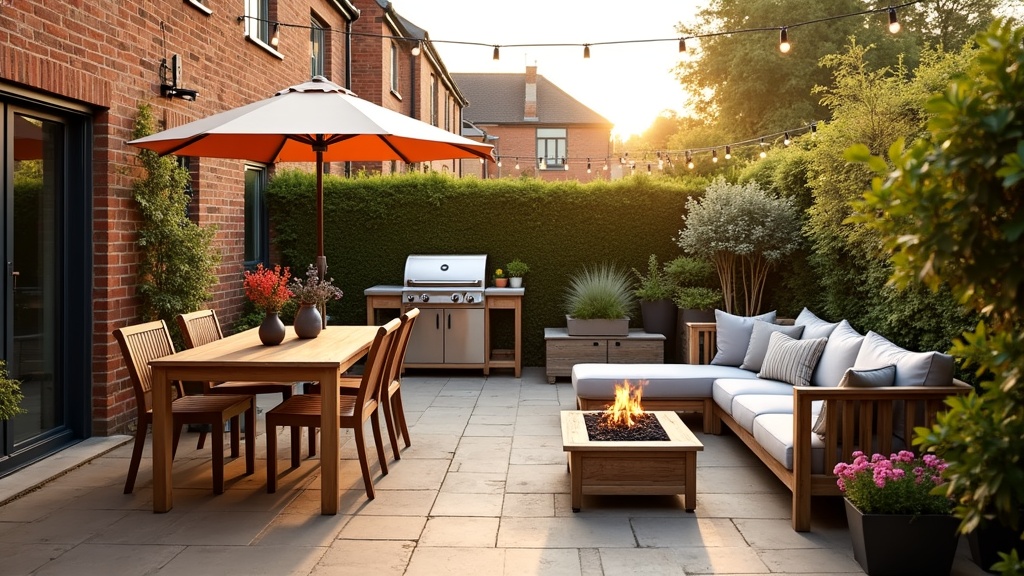
Outdoor space is a real selling point, especially in UK cities where many short lets have none.
Outdoor furniture: Weather-resistant seating for your maximum occupancy, a table if there's room, and some shade (an umbrella, a gazebo or trees).
Entertainment: A BBQ grill is one of the ten amenities Airbnb says guests searched for most in 2025. Fire pits and garden games suit families and groups, but include anything involving fire in your fire risk assessment and give guests clear safety instructions.
Practical considerations: Outdoor lighting for evening use, storage for cushions and games, and covers for furniture. Think about security too: can outdoor items be left safely between bookings?
Maintenance: Choose low-maintenance plants and materials so the space looks good without constant attention between stays.
Even a small balcony or courtyard can become a selling point with the right furniture and good photos.
Want to see how your current amenity mix compares with local listings? Zugrow's free listing score rates your amenities and your competitive position, and flags what's holding your listing back.
How Do You Avoid Over-Investing in Unnecessary Amenities?
Spend on amenities that change bookings or reviews, not on impressive-sounding additions that cost more than they return.
Research before investing: Look at what comparable local listings charging more than you actually offer. Focus on the gaps between your listing and theirs.
Use guest feedback: Review what past guests asked for or complained about missing. That is a better guide than guessing.
Work out the payback: Big-ticket items like hot tubs need to earn their cost through higher rates or more bookings, after running and maintenance costs. Run the numbers for your own property before committing: how much more per night, and how many extra nights, would it need to pay for itself?
Think about the seasons: UK weather limits how often outdoor amenities get used, and they need storage and upkeep through the winter.
The most successful hosts perfect the essentials before adding luxuries. Reliable Wi-Fi, comfortable beds and dependable heating do more for reviews than extras that don't work properly.
What Role Do Amenities Play in Airbnb SEO?
Amenities affect both who finds your listing and how Airbnb ranks it.
Search filters: Guests using Airbnb's filters only see listings that match their criteria. If you have an amenity but haven't listed it, you are missing those searches entirely.
Ranking: Airbnb says listing media and details, including sought-after amenities, can help a listing's position in search, alongside quality, popularity, price and availability.
Title and description: Writing compelling titles that mention your standout amenities can help guests choose you. Only mention amenities you actually provide; misleading descriptions lead to disappointed guests and poor reviews.
Photos: Photo optimisation should show off your key amenities. Guests want to see the workspace, the kitchen or the garden you're promoting before they book.
The amenities that help guests find your listing are often the same ones that make their stay go well.
Creating Your Personalised Airbnb Amenities Strategy
Your best amenity mix depends on your property, your guests, your local competition and your budget.
Audit your current position: List every amenity you provide and compare it with similar local listings. Look for obvious gaps, and for things you're paying for that guests don't value.
Prioritise high-impact additions: Focus on amenities guests search for, fix common complaints, and support the stays your property suits. Quick wins often include better coffee facilities, improved Wi-Fi or a proper workspace.
Add in phases: Spread spending over time and check whether each addition actually improves bookings or reviews before adding more.
Monitor and adjust: Guest expectations change, so keep reviewing feedback and competitor listings.
Rather than copying a generic list, build an amenity package around the stays your property does best.
For an analysis of how your listing's amenities, pricing and presentation compare with local competitors, Zugrow offers a free listing score and expert reviews tailored to your property.
Frequently Asked Questions
What amenities are legally required for UK Airbnb properties?
The law focuses on safety rather than amenities. In England and Wales, holiday lets fall under the Regulatory Reform (Fire Safety) Order 2005, so you need a fire risk assessment, and in England the government's guidance for small paying guest accommodation covers alarms, escape routes and fire equipment. If there are gas appliances, the government's holiday let guidance points owners to the landlord gas safety rules, which require an annual check by a Gas Safe registered engineer. Upholstered furniture and mattresses should meet the Furniture and Furnishings (Fire) (Safety) Regulations 1988. In Scotland, a short-term let licence comes with mandatory conditions covering fire, smoke, heat and carbon monoxide alarms, gas and electrical safety, and furniture. If guests can watch live TV or BBC iPlayer, you also need a TV licence. Check your council's rules for your property type and location.
How many amenities should I list on my Airbnb?
List every amenity you genuinely provide; there's no maximum. Accuracy matters more than length: well-maintained amenities earn better reviews than a long list of items that disappoint.
Do luxury amenities always increase booking rates?
No. Luxury amenities help when they match what guests in your market expect. A hot tub suits a rural cottage aimed at groups more than a city studio, while comfortable bedding improves almost any stay.
How often should I update my amenity offerings?
Review them every few months, based on guest feedback, the seasons and what competitors offer. Plan bigger purchases once a year and make small improvements as you go.
What's the biggest amenity mistake new hosts make?
Focusing on impressive features while neglecting the basics. Guests notice reliable Wi-Fi, comfortable beds and working appliances far more than luxury touches that don't work properly.
Can I charge extra for premium amenities?
On Airbnb, the simplest approach is to reflect premium amenities such as a hot tub in your nightly rate. Don't ask guests to pay for extras outside Airbnb: its off-platform policy prohibits requesting or receiving payments outside the platform.
Getting your amenities right means understanding your local market, your guests and your competition, and refining your offer based on feedback rather than assumptions. Ready to see how your current amenity mix measures up? Get your free listing score from Zugrow and find the improvements that matter most.
Sources, checked October 2026: Airbnb on the amenities guests want, testing your wifi speed, accessibility features, how search results work and the off-platform policy; GOV.UK letting out a self-catering holiday home in England and fire safety in small paying guest accommodation; Regulatory Reform (Fire Safety) Order 2005; Furniture and Furnishings (Fire) (Safety) Regulations 1988; Scotland's short-term let mandatory conditions; TV Licensing for holiday lets.