


Why Most Hosts Are Competing for the Same Guests (And Losing)
Walk through any UK city's Airbnb listings and you'll spot the pattern instantly: every property is chasing the same couple or small family on a weekend city break. Same amenities, same photos, same guest profile. The result? A bloody price war where everyone drops their rates and nobody wins.
Here's the truth nobody mentions: the real money in short-term rentals isn't in competing harder for saturated guest segments, it's in identifying the Airbnb market gaps where demand is high but supply is non-existent. These underserved guests are actively searching, ready to book, and willing to pay premium rates because nobody else is meeting their needs.
This guide will show you exactly how to find these hidden guest segments, position your listing to capture them, and turn a crowded market into your own private goldmine. If you've been watching your occupancy drop whilst competitors multiply, this is the shift that changes everything.
What Are Airbnb Market Gaps (And Why They Matter More Than Ever)
Airbnb market gaps are specific guest types, travel needs, or booking patterns that have strong demand in your area but little to no supply from existing listings. They're the business traveller who can't find proper workspace, the family with mobility needs ignored by townhouse hosts, or the pet owner scrolling past hundreds of 'no animals' policies.
These gaps matter because they represent zero-competition revenue. When you're the only listing serving a specific need, you set the price, enjoy higher occupancy, and attract loyal repeat guests. Meanwhile, hosts targeting the generic 'couples and families' segment are stuck in a race to the bottom on nightly rates.
The shift is already happening. According to Airbnb's own data, niche-positioned listings with clear target guest messaging see 23% higher booking rates than generic properties in the same area. The hosts winning right now aren't the ones with the fanciest flats, they're the ones who spotted an underserved segment and built their entire listing around it.
The 5 Most Profitable Underserved Guest Segments in UK Markets

Not all market gaps are created equal. Some represent tiny niches with limited demand; others are massive opportunities hiding in plain sight. Here are the five underserved guest types delivering the highest returns for UK hosts in 2024:
1. Mid-Week Business Travellers (Monday-Thursday)
Everyone optimises for weekend leisure guests. Meanwhile, consultants, contractors, and remote workers are desperately searching for Monday-Thursday stays with proper workspace, fast Wi-Fi, and locations near business districts or transport hubs.
The gap: Most hosts don't offer mid-week discounts or position their listings for work travel. A simple title tweak, 'Central Manchester Flat with Dedicated Workspace & Parking', and a workstation photo can double your weekday occupancy.
Real-world example: A Bristol host repositioned a struggling 1-bed flat for business travellers, added a desk and monitor, adjusted pricing to favour weeknight stays, and jumped from 42% to 76% occupancy within two months. The weekend rate stayed the same; she simply filled the empty weeknights everyone else ignored.
2. Families with Accessibility Needs
The UK has approximately 14 million disabled people, many of whom travel with family. Yet accessible Airbnb listings, ground floor, wide doorways, step-free entry, grab rails, represent less than 2% of inventory in most cities.
The gap: Hosts assume accessibility modifications are expensive or only relevant for elderly guests. In reality, a ground-floor flat with a walk-in shower is already 80% there. Listing these features prominently (and ticking the accessibility amenities) puts you in front of a loyal, grateful, high-value segment.
If you have any accessibility features, list them explicitly in your title and first paragraph. Families searching with these needs will pay 15-20% premiums and book further in advance.
3. Pet Owners (Especially Dog Owners)
Over 60% of UK households own a pet, yet only 15-20% of Airbnb listings allow animals. The disconnect is staggering. Pet owners represent a massive, underserved market willing to pay extra fees and nightly premiums for the privilege of not leaving their dog in a kennel.
The gap: Most hosts default to 'no pets' without considering the revenue upside. A simple policy change, allowing small/medium dogs with a £30-50 pet fee, can fill shoulder-season gaps and attract repeat guests who struggle to find options elsewhere.
One Lake District host allowed dogs, added a 'dog-friendly cottage' tag to her title, and now maintains 90%+ occupancy year-round with a £40 pet fee per stay. Her nightly rate is £15 higher than comparable properties because pet owners have fewer choices and higher willingness to pay.
4. Multi-Generational Family Groups
The rise of 'three-generation' holidays, grandparents, parents, and children travelling together, has created demand for larger properties (4+ bedrooms) with flexible sleeping arrangements and communal spaces. But most hosts focus on couples or small families, leaving this segment scrambling to book multiple properties or resorting to expensive holiday parks.
The gap: Larger homes often position themselves for 'groups' or 'hen parties,' scaring off family bookings. A messaging shift, 'Perfect for Multi-Generational Holidays' with photos emphasising family dining, garden space, and separate living areas, captures this premium segment without the risk profile of party groups.
5. Remote Workers on Extended Stays (1-3 Months)
The remote work revolution has created an entire class of 'digital nomads' and flexible workers who want to spend a month exploring a new UK city whilst maintaining full-time jobs. They need workspace, fast internet, and proximity to cafés and coworking spaces, but most listings are optimised for short weekend breaks.
The gap: Hosts don't offer monthly discounts attractive enough to compete with short-term lets, or they bury workspace amenities in the description. A clear '28-night+' discount (25-30% off) and a title mentioning 'remote work friendly' or 'digital nomad' positions you for this lucrative, low-turnover segment.
Extended stays mean fewer turnovers, lower cleaning costs, and predictable cash flow. One Edinburgh host shifted focus to remote workers, offered a 28% monthly discount, and now books 80% of her calendar in 4-week blocks with zero weekend gaps to manage.
How to Identify Underserved Guests in Your Specific Market
Generic advice is useless. The underserved segments in Bristol won't mirror those in Brighton. Here's how to diagnose your local Airbnb market gaps and find the guest types competitors are ignoring:
Step 1: Analyse Competitor Listings for Positioning Patterns
Open Airbnb and search your area with your property type and guest count. Scroll through the first 30-40 listings and take notes: Who are they targeting? What amenities are ubiquitous? What language appears in every title?
You're looking for homogeneity. If 90% of listings say 'perfect for couples,' that's your signal that families, business travellers, and groups are underserved. If nobody mentions pets, workspace, or accessibility, those are wide-open gaps.
For a deeper competitive analysis of how your listing stacks up and where positioning gaps exist, Zugrow's free Airbnb performance score benchmarks your title, amenities, and pricing against local competitors and highlights exactly where you can differentiate.
Step 2: Search Airbnb with Specific Guest Filters
Run searches using the filters underserved guests would use: 'Pets allowed,' 'Workspace,' 'Accessible height bed,' '4+ bedrooms,' '28+ nights available.' Count the results compared to baseline searches.
If a general search returns 300 properties but filtering for 'Pets allowed' drops it to 22, you've found a gap. Similarly, search for weekend vs. mid-week availability, if competitors block Monday-Thursday or show poor availability, business travellers are underserved.
Step 3: Read Guest Reviews for Unmet Needs
Scroll through competitor reviews looking for phrases like 'we struggled to find,' 'wish there had been,' 'had to book two properties,' or 'difficult to find options for.' These are direct signals of market gaps.
Example: If you see multiple reviews mentioning 'we brought our dog and were so grateful' or 'finally a place with a proper desk,' that guest segment is underserved and vocally appreciative. That's your cue to position directly for them.
Want to understand exactly how guests perceive your listing compared to competitors? Get your free listing audit from Zugrow and see which guest segments you're currently attracting, and which you're missing.
Step 4: Check Local Demand Signals (Events, Industries, Trends)
Look beyond Airbnb. What industries, events, or trends drive demand in your area? A university town has student family visits and graduation weeks. A city with a large hospital has medical travellers and patient families. A tech hub has contractors and consultants on 3-month projects.
Map guest types to local demand drivers. If your city has a major hospital, search Airbnb for listings mentioning 'near hospital' or 'medical travel', if results are scarce, that's your gap. If a major conference venue is nearby, business travellers are a logical underserved segment.
How to Position Your Listing for Underserved Guest Segments
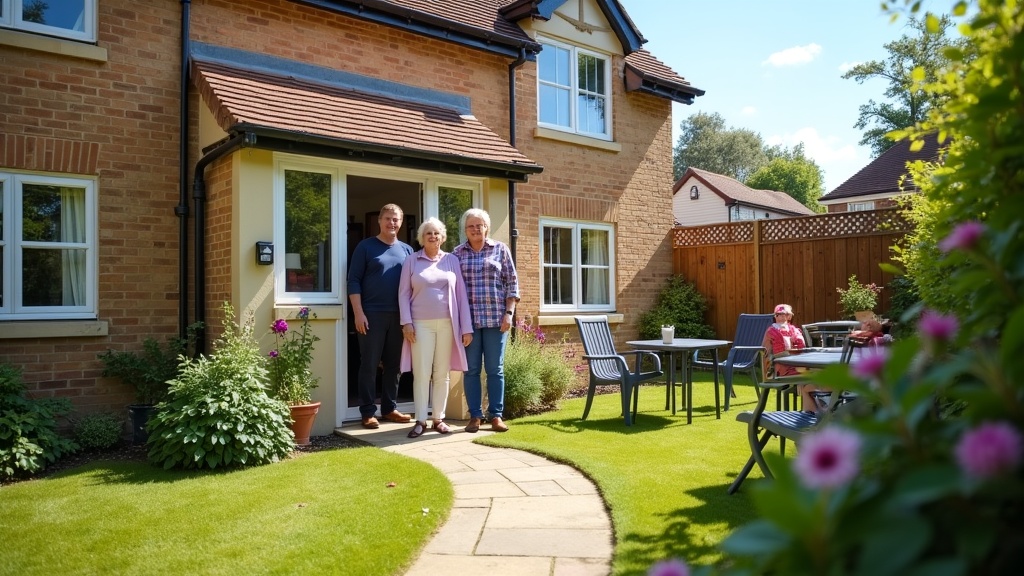
Spotting the gap is step one. Capturing it requires deliberate positioning across every element of your listing. Here's how to rebuild your Airbnb presence around a specific underserved guest type:
Rewrite Your Title with Guest-Specific Language
Your title is the first filter. Generic titles like 'Stylish 2-Bed Flat in City Centre' say nothing about who it's for. Compare that to 'City Centre 2-Bed with Parking & Workspace, Perfect for Business Travellers' or 'Dog-Friendly Cottage with Enclosed Garden near Peak District.'
Be explicit. Use the exact words your target guest is searching for: 'accessible,' 'dog-friendly,' 'remote work,' 'family-friendly,' 'near hospital,' 'multi-generational.' Airbnb's search algorithm rewards specificity, and guests scanning results will click the listing that clearly serves their need.
Adjust Your Amenities to Match Guest Needs
Every underserved segment has non-negotiable amenities. Business travellers need workspace and fast Wi-Fi. Families need travel cots and high chairs. Pet owners need enclosed outdoor space or proximity to parks. Remote workers need monitors, ergonomic chairs, and reliable connectivity.
Walk through your property and ask: 'What does my target guest need that competitors don't offer?' Then add those amenities and tick the corresponding boxes in Airbnb's amenity settings. Remember: even a £15 cafetière counts as a 'Coffee Maker' on Airbnb's checklist, unlocking filtered searches for that amenity.
For a full audit of which amenities you should add based on competitor gaps in your area, Zugrow analyses your listing for free and shows you exactly which boxes to tick to appear in more searches.
Reorder Photos to Lead with Target-Guest Features
Your first five photos set expectations. If you're targeting business travellers but lead with a sofa and bedroom, you've already lost them. Lead with the workspace, then the exterior (showing proximity to transport), then the living space.
Pet owners need to see the garden, outdoor space, or nearby parks. Families want communal areas, kitchen, and flexible sleeping arrangements. Accessibility-focused guests need to see the step-free entrance, wide doorways, and bathroom layout upfront.
Your photo order is a positioning statement. Reorder to showcase the features your target segment cares about most. Bury the generic bedroom shot, everyone has a bed. Not everyone has a proper desk, enclosed garden, or ground-floor entry.
Rewrite Your Description to Speak Directly to One Guest
Stop trying to appeal to everyone. A description that says 'great for couples, families, business travellers, and groups' appeals to no one. Instead, write as if speaking to a single target guest: 'If you're a remote worker looking to spend a month exploring Manchester whilst staying productive, this flat is built for you.'
Use their language, anticipate their concerns, and answer their questions. Business travellers want to know about workspace ergonomics, Wi-Fi speed, and proximity to transport. Pet owners want to know about garden size, nearby walks, and pet policies. Families want to know about sleeping arrangements, safety, and child-friendly amenities.
Adjust Pricing Strategy to Favour Your Target Segment
Different guest segments have different booking patterns. Business travellers fill weeknights but leave weekends empty. Families book 3-7 nights during school holidays. Remote workers want 28-day stays. Your pricing should reflect this.
Use discounts strategically: offer mid-week discounts to attract business travellers, or remove weekend minimums if targeting workers. Add generous monthly discounts (25-30%) to capture digital nomads. Increase weekend rates if your positioning attracts leisure families who book regardless.
Not sure how your pricing compares to competitors targeting the same guest segment? Zugrow's pricing analysis benchmarks your rates against local listings and shows you exactly where to adjust for your target market.
Real-World Example: How One Host Pivoted to Underserved Guests and Tripled Revenue
Sarah runs a 2-bedroom flat in Nottingham. For two years, she positioned it generically, 'Stylish City Centre Flat, Perfect for Couples & Small Families', and struggled at 48% occupancy with an average nightly rate of £72.
Then she spotted the gap: Nottingham has a large hospital and university, but almost no listings mentioned medical travel or visiting families. She made four changes:
- Title rewrite: 'Queen's Medical Centre 2-Bed Flat with Free Parking, Ideal for Medical Visitors & Families'
- Amenity additions: Added 'Long-term stays allowed,' ticked 'Free parking on premises,' and listed proximity to hospital and university in the first paragraph
- Pricing shift: Added a 20% weekly discount and 28% monthly discount to encourage longer stays from patient families and visiting academics
- Photo reorder: Moved the parking space and exterior (showing hospital proximity) to positions 2-3, and added a photo of the workspace
The result: Occupancy jumped to 81% within six weeks, average stay length increased from 2.3 to 5.8 nights, and revenue tripled. She now books months in advance from medical travellers and university visitors who have almost no other options near the hospital.
Sarah didn't renovate, didn't add expensive amenities, and didn't drop her rates. She simply identified an underserved guest segment and positioned her entire listing around their needs. That's the power of targeting Airbnb market gaps.
Common Mistakes Hosts Make When Targeting Underserved Guests
Spotting a market gap is one thing; executing well is another. Here are the pitfalls that sink most repositioning attempts:
Mistake 1: Trying to Serve Everyone
The fastest way to fail is to hedge your bets, 'Great for business travellers, families, couples, and pet owners!' This dilutes your message and makes your listing invisible in filtered searches. Pick one primary guest segment and build everything around them. You can still accept other guests, but your positioning must be laser-focused.
Mistake 2: Claiming Amenities You Don't Actually Have
Never tick amenity boxes or mention features in your title that your property doesn't genuinely offer. If you say 'dedicated workspace' but it's just a dining table, guests will leave poor reviews. If you claim 'enclosed garden' but it's a shared courtyard, pet owners will be furious. Authenticity is non-negotiable.
Only list what's real, and make sure your photos prove it. Underserved guests are scrutinising your listing carefully, misleading them destroys trust and tanks your rating.
Mistake 3: Ignoring the Basics Whilst Chasing a Niche
Positioning for an underserved segment doesn't excuse poor fundamentals. Your listing still needs excellent photos, fast responses, clear house rules, and competitive baseline pricing. A dog-friendly flat with blurry photos and a 48-hour response time won't succeed, no matter how underserved the pet owner segment is.
Nail the basics first, then layer on niche positioning. For a comprehensive audit of where your fundamentals stand, Zugrow's free listing score highlights exactly what's holding you back before you dive into repositioning.
Mistake 4: Not Tracking Results or Iterating
Repositioning is a test, not a magic bullet. Monitor your search rank, click-through rate, and booking patterns for 4-6 weeks after making changes. If you're not seeing results, tweak the title, adjust amenities, or try a different underserved segment.
Use data, not guesswork. Check your Airbnb insights to see which searches are driving impressions, and read every guest message to understand what attracted them to your listing. Double down on what's working and kill what isn't.
How to Scale Your Positioning Across Multiple Properties
If you manage multiple listings, you have a unique advantage: each property can target a different underserved segment, eliminating internal competition and capturing a wider range of guests.
Example: A host with three flats in the same Birmingham neighbourhood positioned them as follows:
- Flat 1: 'Dog-Friendly Flat with Garden Access near Cannon Hill Park'
- Flat 2: 'City Centre Workspace Flat, Perfect for Remote Workers & Business Travel'
- Flat 3: 'Accessible Ground-Floor Flat with Step-Free Entry & Wet Room'
All three flats are within 500 metres of each other, but they now serve completely different guests and appear in different filtered searches. The host went from competing with himself to owning three distinct micro-markets. Combined occupancy jumped from 54% to 83%, and he stopped discounting rates to fill gaps.
The lesson: Don't duplicate positioning. If you have multiple properties, map each to a different underserved segment and own them all.
Should You Pivot Your Existing Listing or Launch a New One?
Sometimes, repositioning an existing listing is a simple title and amenity tweak. Other times, your property genuinely can't serve the underserved segment you've identified (e.g., you can't make a third-floor walk-up accessible, and you can't add a garden to a city flat).
If your property naturally fits an underserved segment, you have the amenities, location, or layout, pivot immediately. The upside is massive and the downside is minimal (you can always change back).
If your property doesn't fit any obvious gap, focus on execution excellence within your current segment instead. Not every property has a niche, sometimes being the best generic option is the right play. But if you're in a saturated market, finding even a small positioning edge can be the difference between 50% and 85% occupancy.
Still unsure which segments your property could serve? Zugrow's competitor analysis shows you exactly which guest types are oversupplied and undersupplied in your area, so you can make an informed decision.
The Future of Airbnb Market Gaps: What's Coming Next
As more hosts wake up to the power of niche positioning, some of today's underserved segments will become saturated. Staying ahead means watching for emerging gaps, guest types that don't yet exist in large numbers but are growing fast.
Three emerging underserved segments to watch:
- EV owners: Electric vehicle adoption is accelerating, but listings with EV charging are still rare. Adding a home charger (or listing proximity to public chargers) will become a major differentiator by 2025.
- Wellness travellers: Demand for properties with yoga space, meditation areas, or wellness amenities (air purifiers, blackout blinds, noise machines) is rising, especially post-pandemic. This segment is underserved outside of rural retreats.
- Multi-modal workers: A new class of travellers splits time between remote work, coworking spaces, and client visits. They need properties near coworking hubs and transport links, with flexible check-in and workspace, but most listings still target pure leisure or pure business, missing this hybrid segment.
The hosts who win in the next five years will be the ones who spot these emerging gaps early, position aggressively, and own the segment before competitors catch on.
Your 7-Day Plan to Identify and Capture an Underserved Guest Segment
Ready to find your market gap? Here's a simple week-long roadmap to pivot your positioning and start filling those empty nights:
Day 1-2: Research Competitor Positioning
Search Airbnb with your property type and location. Document what guest types competitors are targeting, which amenities are ubiquitous, and where you see messaging repetition. Use filtered searches (pets, workspace, accessibility) to measure supply gaps.
Day 3: Identify Your Property's Natural Strengths
List your property's unique features: location, layout, amenities, outdoor space, parking, accessibility features. Match these strengths to potential underserved segments. If you have a ground-floor flat with parking, accessibility-focused guests and business travellers are logical targets. If you have a garden, pet owners are a perfect fit.
Day 4: Choose One Target Guest Segment
Pick the underserved segment that best aligns with your property's strengths and local demand. Don't overthink it, commit to one and move forward. You can always test a different segment later.
Day 5: Rewrite Your Title and Description
Rebuild your title to include guest-specific language ('dog-friendly,' 'workspace,' 'accessible,' 'near hospital') and highlight the amenities your target segment cares about. Rewrite your description to speak directly to that guest, using their language and anticipating their concerns.
Day 6: Adjust Amenities, Pricing, and Photos
Tick every relevant amenity box, reorder photos to lead with target-guest features, and adjust your pricing strategy (mid-week discounts for business travellers, monthly discounts for remote workers, etc.).
Day 7: Publish and Monitor
Push your changes live and monitor results for 4-6 weeks. Track search impressions, click-through rate, and booking patterns in Airbnb insights. If you're not seeing traction, tweak the title or try a different segment. If it's working, double down and refine your messaging further.
Need expert guidance on which changes to prioritise? Get your free Airbnb listing score from Zugrow and see exactly where to focus your efforts for maximum impact.
Conclusion: Stop Competing, Start Dominating
The hosts losing sleep over occupancy rates are the ones fighting for the same oversaturated guest segments as everyone else. The hosts quietly filling their calendars at premium rates are the ones who spotted an underserved segment, repositioned deliberately, and now own a micro-market with zero competition.
You don't need a bigger budget, a better location, or a fancier property. You need to stop trying to be everything to everyone and start being exactly what one underserved guest desperately needs. That's where the real revenue is hiding.
Ready to see how your listing measures up and identify which guest segments you're missing? Get your free performance score at Zugrow and discover the gaps your competitors haven't spotted yet.
Frequently Asked Questions
What are the most profitable underserved guest segments on Airbnb in the UK?
The five most profitable underserved segments are mid-week business travellers (Monday-Thursday stays), families with accessibility needs, pet owners (especially dog owners), multi-generational family groups, and remote workers on extended stays (1-3 months). These segments have high demand but limited supply in most UK markets, allowing hosts to command premium rates and higher occupancy.
How do I find underserved guest types in my specific Airbnb market?
Run Airbnb searches using specific guest filters ('Pets allowed,' 'Workspace,' 'Accessible,' '4+ bedrooms') and compare results to baseline searches. Analyse competitor listings for positioning patterns and homogeneity. Read guest reviews for phrases like 'struggled to find' or 'wish there had been.' Map local demand drivers (hospitals, universities, business districts) to potential guest segments. Large gaps between filter results and baseline inventory reveal underserved segments.
Should I reposition my existing Airbnb listing or create a new one for a different guest segment?
If your property naturally fits an underserved segment (you already have the amenities, location, or layout), reposition your existing listing immediately, the upside is significant and you can revert if needed. Only create a new listing if you're physically modifying the property or managing multiple units. For multi-property hosts, position each listing to target a different underserved segment to eliminate internal competition and capture wider guest range.
How long does it take to see results after repositioning for an underserved guest segment?
Most hosts see measurable changes in search impressions and click-through rates within 7-10 days of updating their title, amenities, and photos. Booking patterns typically shift within 4-6 weeks as your listing appears in new filtered searches and attracts your target segment. Monitor Airbnb insights during this period and be prepared to iterate on your positioning if results don't meet expectations.
Can I target multiple underserved guest segments with one listing?
No. Attempting to serve multiple segments dilutes your message and makes your listing invisible in filtered searches. Airbnb's algorithm and guests themselves reward specificity. Choose one primary target guest segment, position your entire listing around their needs, and optimise title, description, amenities, and photos accordingly. You can still accept bookings from other guest types, but your positioning must be laser-focused on one segment to succeed.
What's the biggest mistake hosts make when trying to capture underserved Airbnb market gaps?
The most common mistake is claiming amenities or features the property doesn't actually have. Ticking 'dedicated workspace' when you only have a dining table, or promoting 'enclosed garden' when it's shared space, leads to poor reviews and destroyed trust. Only list genuine features, ensure your photos prove them, and match your positioning to what your property can authentically deliver. Underserved guests scrutinise listings carefully, misleading them guarantees failure.